How Does Radio Stay Relevant in the Digital Age?
Synopsis
In a world dominated by modern technology, radio stands strong, blending nostalgia with modernity. Celebrating World Radio Day, we explore its ongoing relevance and the unique bond it shares with audiences, especially through programs like 'Mann Ki Baat.' Discover how this timeless medium continues to inform, educate, and entertain.
Key Takeaways
Radio continues to be a trusted source of information and entertainment.
It adapts to modern technology while preserving its core values.
Programs like 'Mann Ki Baat' have reinvigorated interest in radio.
Its impact in rural areas is profound, providing vital information.
World Radio Day emphasizes the significance of radio globally.
Hazaribagh (Jharkhand), Feb 13 (NationPress) In a world where social media, television, and smartphones dominate, radio continues to maintain a cherished role in people's lives, harmonizing nostalgia with contemporary significance. As we celebrate World Radio Day on February 13, the lasting charm of this medium is once again highlighted. This year's theme, 'Radio and Artificial Intelligence,' emphasizes the dynamic relationship between conventional broadcasting and cutting-edge technology.
For many years, radio has been an influential source of information, education, and entertainment. From morning devotional tunes to news broadcasts and engaging shows, it remains a reliable companion in homes nationwide. Today, the sound of radio resonates in small shops, auto-rickshaws, petrol stations, and shopping centers, demonstrating its deep-rooted presence in society.
The trustworthiness and accessibility of radio continue to distinguish it. Beyond mere entertainment, it provides vital updates on agriculture, health, science, and current events, making it especially relevant in rural and semi-urban locales. Amidst the rapid pace of modern life, radio offers an uncomplicated and dependable means of connection and knowledge.
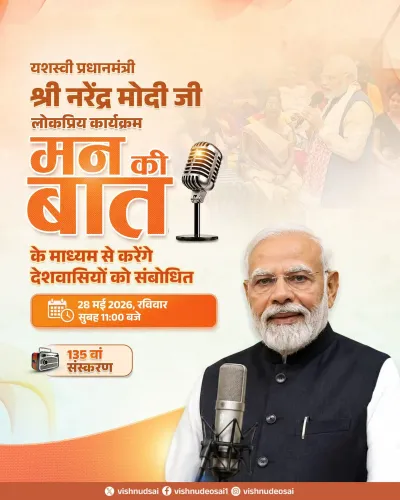
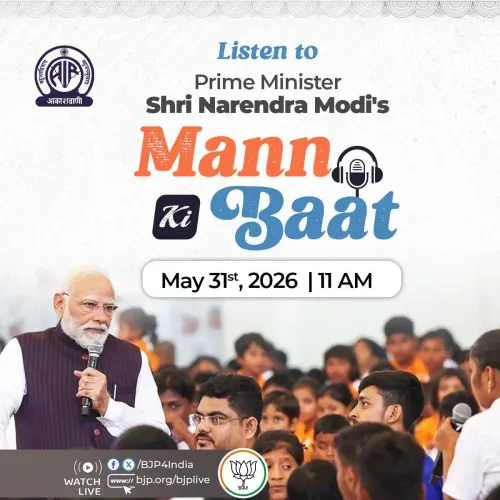
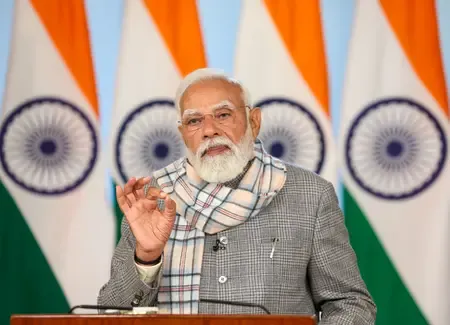
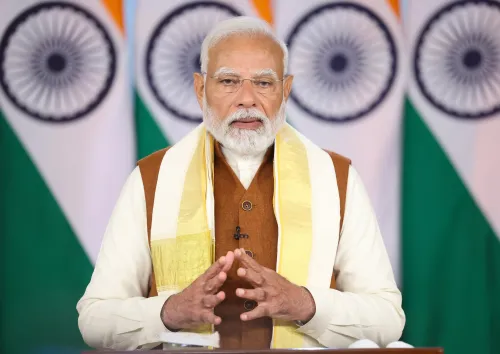
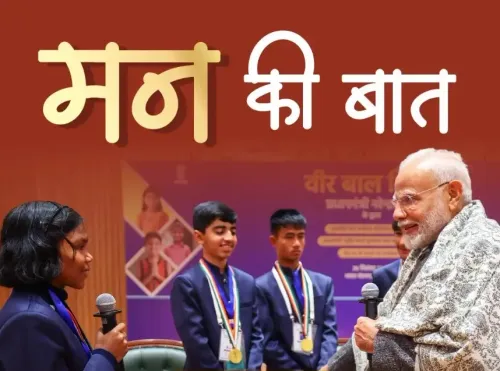
Prime Minister Narendra Modi is often credited with rekindling interest in radio through his monthly show ‘Mann Ki Baat’. This initiative has reintegrated radio into the national dialogue, inspiring families and communities to listen together. Programs like ‘Pariksha Pe Charcha’ have further engaged younger audiences, broadening its reach.
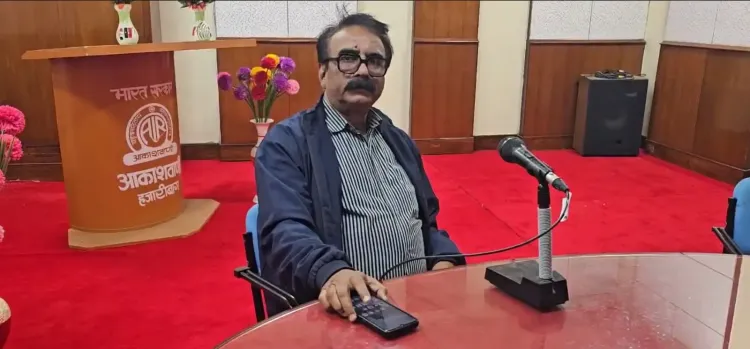
Alka Kumari and Prakash Rana, affiliated with the All India Radio (Akashvani) Hazaribagh station, describe radio as an easily reachable medium that remains emotionally connected to its audience.
Rana, who contributes to the ‘Kisan Vani’ program, asserts that radio serves farmers, students, traders, and military personnel alike by delivering pertinent and timely information.
Senior announcer Rajiv Kumar from Akashvani Hazaribagh notes that prior to the internet, radio was the most effective means of bridging vast geographical distances in a country like India.
He mentions that ‘Mann Ki Baat’ has once again brought radio into homes across the nation, with people gathering in groups and village councils to hear the Prime Minister's address.
The global significance of radio is also acknowledged. UNESCO designated February 13 as World Radio Day in 2011, a declaration later ratified by the United Nations General Assembly in 2012. This date commemorates the inception of United Nations Radio on February 13, 1946.
Despite the evolution of times and technologies, the core essence of radio remains unchanged. Its voice continues to resonate as fresh, intimate, and impactful—serving as a reminder that even in the digital age, radio retains its status as a beloved and trusted medium across all segments of society.
Point of View
The resilience of radio in the face of rapid technological advancements is a testament to its cultural significance. As we celebrate World Radio Day, it is clear that radio’s ability to adapt and remain relevant makes it a vital resource for all, bridging gaps and fostering community engagement. NationPress will continue to highlight the importance of this medium in our evolving media landscape.
NationPress
29 Sept 2026
Frequently Asked Questions
Why is World Radio Day celebrated?
World Radio Day is celebrated to recognize the unique power of radio to promote dialogue, tolerance, and peace. It also highlights the importance of radio in providing information and education, especially in remote areas.
How has radio adapted to modern technology?
Radio has adapted by integrating digital platforms and engaging with audiences through social media, while maintaining its core mission of informing and entertaining listeners.
What role does radio play in rural communities?
In rural communities, radio serves as a crucial source of information on agriculture, health, and local news, helping to bridge the information gap and connect people.
What is 'Mann Ki Baat'?
'Mann Ki Baat' is a monthly radio program hosted by Prime Minister Narendra Modi, where he addresses the nation on various topics, encouraging community engagement and discussion.
Why is radio still relevant today?
Radio remains relevant due to its accessibility, trustworthiness, and ability to reach diverse audiences, making it an essential medium for information and entertainment.