Jal Shakti Minister Paatil marks Partition Horrors Remembrance Day
Synopsis
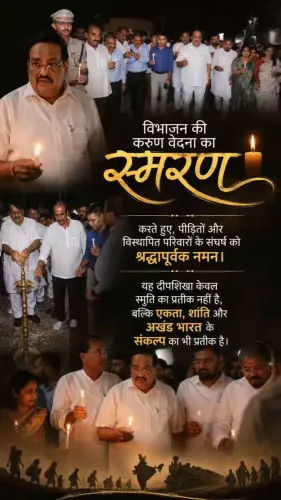
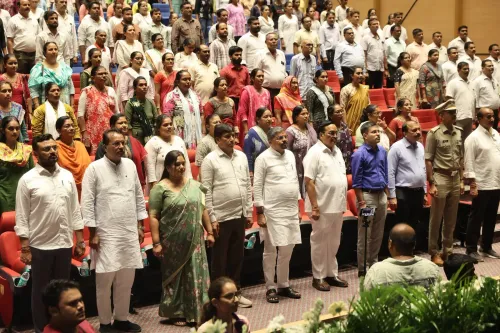
Union Jal Shakti Minister C. R. Paatil marked Partition Horrors Remembrance Day on 14 August, honouring victims of the 1947 partition and urging younger generations to draw lessons of national unity and social harmony from that defining tragedy.
Key Takeaways
Paatil , Union Minister of Jal Shakti, paid tribute to victims of the 1947 Partition of India on Partition Horrors Remembrance Day, 14 August .
The observance was instituted by the Modi government in 2021 , marking 14 August as an annual day of remembrance.
The 1947 partition displaced an estimated 10–20 million people and caused mass communal violence with hundreds of thousands of deaths.
Paatil credited Prime Minister Narendra Modi's leadership with efforts to transmit the memory and lessons of partition to new generations.
The minister linked remembrance to the government's vision of 'Ek Bharat, Shreshtha Bharat' — national unity, social harmony, and territorial integrity.
The BJP government has since 2014 used official remembrance days as a recurring tool to anchor historical memory to messages of national identity.
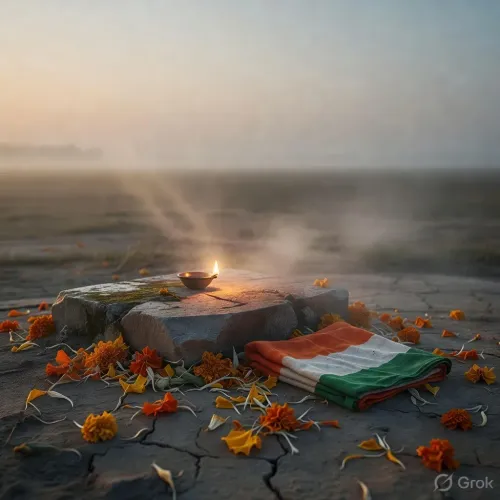
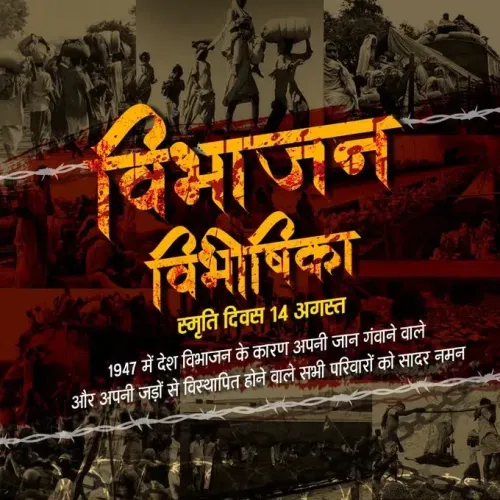
Seventy-nine years ago, a single midnight redrew a subcontinent — and tore apart millions of lives in the process. On Partition Horrors Remembrance Day, 14 August, Union Jal Shakti Minister C. R. Paatil paid solemn tribute to every victim of the 1947 Partition of India, calling it one of the most agonising chapters in the nation's history.
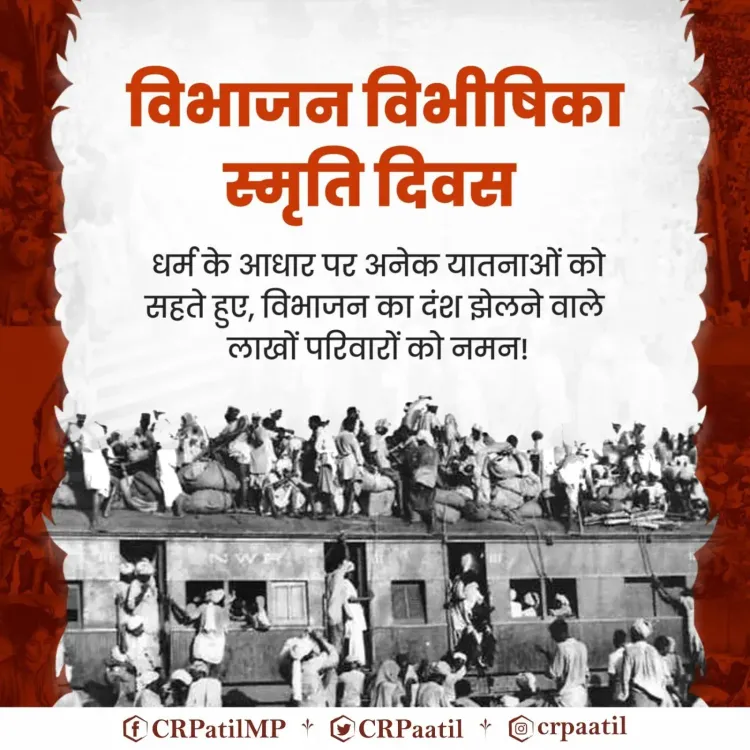
In his post, Paatil wrote: '14 अगस्त 1947 का विभाजन भारतीय इतिहास की उन अत्यंत पीड़ादायक घटनाओं में से एक है' — 'The partition of 14 August 1947 is among the most deeply painful events in Indian history, whose anguish has been felt across generations.' He offered reverence to those who lost their lives and to the countless families forced to abandon their homes, their land, and their loved ones in conditions of unbearable suffering.
A day born from 2021 — and what it asks of the living
The observance itself was instituted by the Modi government in 2021, designating 14 August as Partition Horrors Remembrance Day — the eve of Independence Day, a deliberate pairing of grief and resolve. The date places the wound and the triumph side by side, asking the country to carry both at once.
Paatil invoked Prime Minister Narendra Modi by name, crediting his leadership with the effort to carry 'the pain of partition and the lessons drawn from it' to newer generations. The minister framed remembrance not as an end in itself, but as the foundation for something forward-looking: stronger national unity, social harmony, and territorial integrity — the vision encapsulated in the government's slogan 'Ek Bharat, Shreshtha Bharat' (One India, Supreme India).
The scale of 1947 — why the numbers still stagger
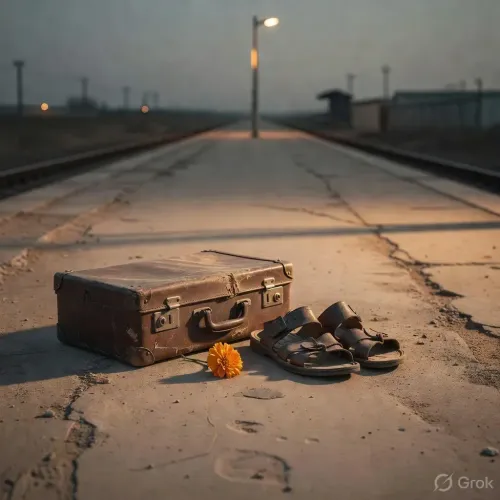
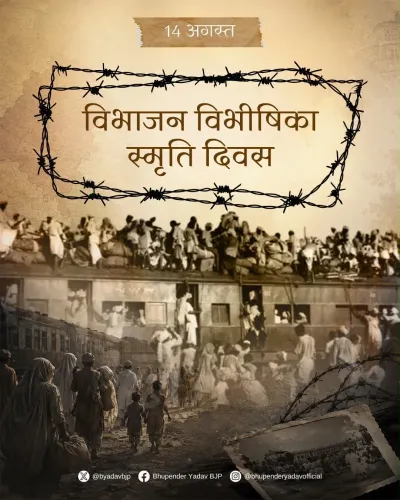
The Partition of British India in August 1947 triggered one of the largest forced migrations in recorded human history. Estimates vary, but historians broadly agree that between 10 and 20 million people were displaced as the subcontinent was divided into the independent nations of India and Pakistan. Mass communal violence accompanied the upheaval, with deaths running into the hundreds of thousands. Entire villages emptied overnight; family lines were severed permanently.
The BJP-led government has since 2014 made the establishment of official remembrance days a recurring instrument of historical policy — anchoring collective memory to messages of unity and national identity. Partition Horrors Remembrance Day fits squarely within that pattern, presenting historical trauma as both a warning and a moral call to cohesion.
As India marks another 14 August, Paatil's tribute lands with the weight the day demands: not celebration, but clear-eyed remembrance — and the quiet insistence that a nation which forgets its deepest wounds is one that cannot fully protect them.
Point of View
The government frames the two events as inseparable: freedom earned at enormous human cost. Paatil's post reinforces a well-established pattern in which senior ministers amplify the Prime Minister's framing on such occasions, extending the reach of the official narrative. The longer arc is one of institutionalising partition memory as a civic touchstone — a process whose educational and social dimensions will shape how the next generation of Indians understands the subcontinent's most traumatic modern rupture.
NationPress
28 Sept 2026
Frequently Asked Questions
What is Partition Horrors Remembrance Day?
Partition Horrors Remembrance Day is an annual observance on 14 August , instituted by the Indian government in 2021 , to commemorate the victims of the 1947 partition of British India and to promote national unity and social harmony.
Why is 14 August chosen for Partition Horrors Remembrance Day?
14 August was chosen because it is the eve of India's Independence Day on 15 August, placing the memory of partition's suffering directly alongside the celebration of freedom — a deliberate pairing of grief and resolve.
Who instituted Partition Horrors Remembrance Day in India?
The Modi government declared 14 August as Partition Horrors Remembrance Day in 2021 , making it an official annual observance across the country.
What did C. R. Paatil say on Partition Horrors Remembrance Day?
Union Jal Shakti Minister C. R. Paatil paid tribute to all victims of the 1947 partition, praised the courage shown under adverse conditions, and called on citizens to draw lessons of national unity and social harmony from the tragedy to strengthen 'Ek Bharat, Shreshtha Bharat'.
How many people were displaced by the 1947 partition of India?
Historians estimate that the 1947 partition displaced between 10 and 20 million people and caused mass communal violence resulting in hundreds of thousands of deaths, making it one of the largest forced migrations in recorded history.