Dr. Jitendra Singh pays tribute on Partition Horrors Remembrance Day
Synopsis
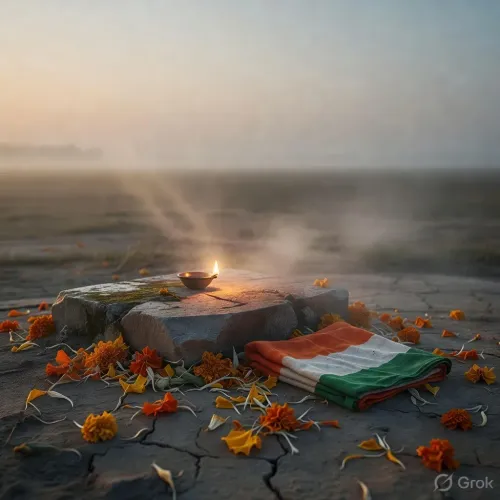
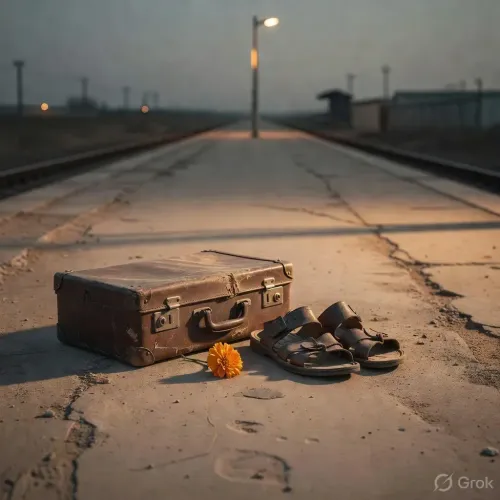
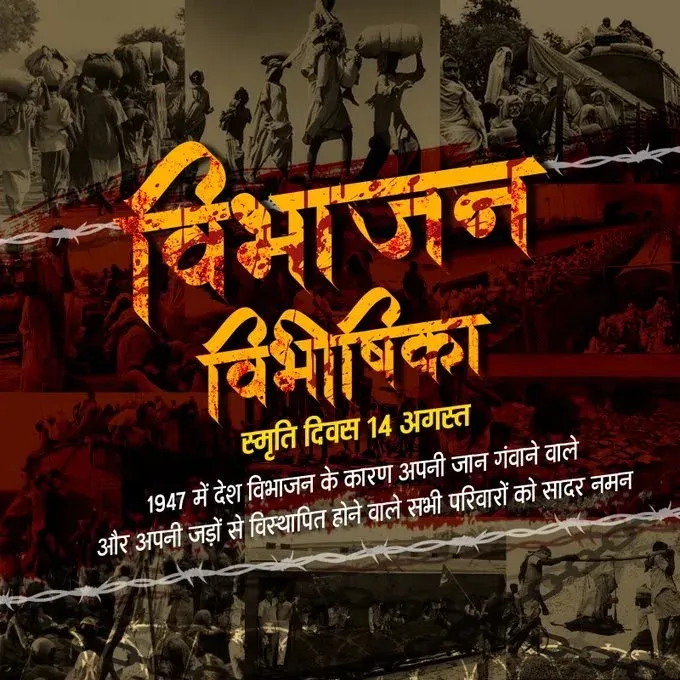
On Partition Horrors Remembrance Day, 14 August, Union Minister Dr. Jitendra Singh paid tribute to all who sacrificed everything in the 1947 Partition, calling their pain, courage, and sacrifice immortal in India's collective memory.
Key Takeaways
Jitendra Singh , Union Minister of State (Independent Charge) for Science and Technology, posted a tribute on 14 August 2026 for Partition Horrors Remembrance Day.
The post honoured all those who sacrificed everything during the 1947 Partition of India , calling their courage and suffering eternal in national memory.
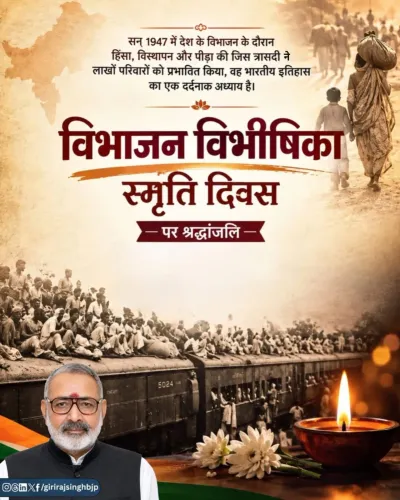
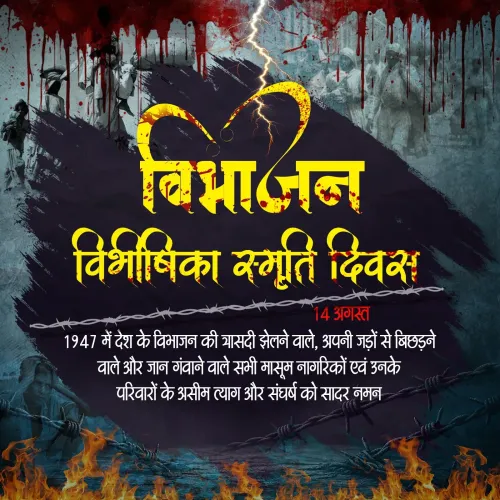
Partition Horrors Remembrance Day was declared by the Government of India in 2021 and is observed annually on 14 August .
The 1947 Partition triggered one of history's largest forced migrations, accompanied by mass communal violence and generational displacement.
Official tributes on this day form part of broader governmental efforts to document and publicly acknowledge Partition's human cost.
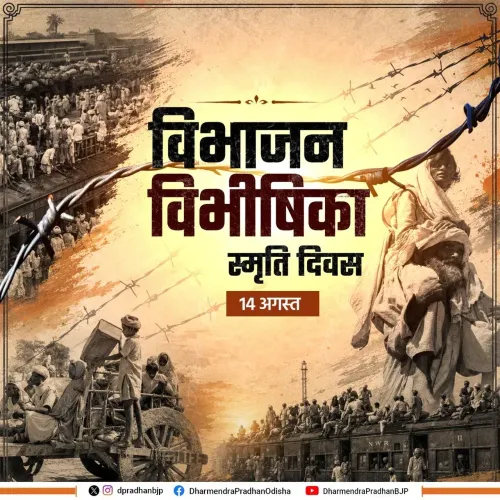
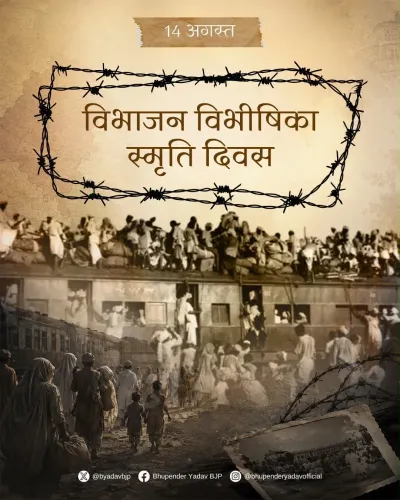
Every year on 14 August, India pauses to remember a wound that never fully closed — the 1947 Partition that cleaved a subcontinent and uprooted millions. On this solemn morning, Union Science and Technology Minister Dr. Jitendra Singh offered a heartfelt tribute to those who gave everything in that catastrophe.
In his post, the Minister wrote: 'विभाजन की त्रासदी में अपना सर्वस्व न्योछावर करने वाले सभी अमर बलिदानियों को भावपूर्ण श्रद्धांजलि।' — 'A heartfelt tribute to all the immortal martyrs who sacrificed everything in the tragedy of Partition. Their pain, courage, and sacrifice will live forever in our memories.'
A day born from a declaration
The observance has a formal foundation. In 2021, the Government of India declared 14 August as Partition Horrors Remembrance Day — a date chosen deliberately: the eve of Independence Day, a reminder that freedom and rupture arrived together. The declaration was an acknowledgment that the human cost of that division — mass displacement, communal violence, and generational grief — deserved permanent, official memory.
The 1947 Partition of British India into India and Pakistan triggered one of the largest forced migrations in recorded history. Millions crossed new borders; hundreds of thousands did not survive the crossing. Families were split, homes abandoned, and entire communities erased overnight.
Official memory as national practice
Dr. Singh's tribute is part of an established annual pattern of government voices marking the day since the 2021 declaration. These messages serve a dual purpose — honouring those lost and keeping the historical consciousness of Partition alive for younger generations who did not witness it. The broader governmental effort includes moves to document Partition history and integrate its acknowledgment into cultural and public life.
For the families of Partition survivors — many still carrying the stories their grandparents brought across the border — such official remembrance carries weight that goes beyond ceremony.
Memory, when a nation commits to it, becomes its own form of justice.
Point of View
Signalling a deliberate political choice to institutionalise Partition memory at the state level. Ministerial tributes like Dr. Singh's reinforce that framing — positioning the government as a custodian of a historical grief long left to private family memory. The practice also reflects a broader pattern of the current administration anchoring national identity in pre-Independence historical trauma. Whether this leads to deeper archival or educational initiatives will be the real measure of the day's long-term significance.
NationPress
29 Sept 2026
Frequently Asked Questions
What is Partition Horrors Remembrance Day?
Partition Horrors Remembrance Day is observed every year on 14 August in India. It was declared by the Government of India in 2021 to honour the victims of the 1947 Partition of British India into India and Pakistan, which caused massive displacement and communal violence.
Why is 14 August chosen for Partition Remembrance Day?
14 August was chosen because it is the eve of India's Independence Day on 15 August , marking the fact that independence and the trauma of Partition arrived simultaneously in 1947 .
What did Dr. Jitendra Singh say on Partition Horrors Remembrance Day?
Dr. Jitendra Singh posted a tribute in Hindi, saying: 'A heartfelt tribute to all the immortal martyrs who sacrificed everything in the tragedy of Partition. Their pain, courage, and sacrifice will live forever in our memories.'
When was Partition Horrors Remembrance Day declared?
The Government of India declared 14 August as Partition Horrors Remembrance Day in 2021 , making it an annual official observance to commemorate the suffering caused by the 1947 Partition .
Who is Dr. Jitendra Singh?
Dr. Jitendra Singh is the Union Minister of State (Independent Charge) for Science and Technology and Earth Sciences , and also holds additional charge in the Prime Minister's Office and the Ministry of Personnel.