How Did PM Modi Honor Mannathu Padmanabhan?
Synopsis
On January 2, Prime Minister Narendra Modi commemorated the legacy of social reformer Mannathu Padmanabhan. As a pivotal figure in Kerala's renaissance, Mannam's ideals of dignity and equality continue to inspire India's journey towards a just society. Discover how his life's work remains relevant today.
Key Takeaways
Mannathu Padmanabhan's life was dedicated to social reform.
He founded the Nair Service Society to promote education and upliftment.
His legacy includes advocating for women's empowerment .
Recognized nationally with titles like Bharata Kesari .
Mannam's ideals are a guiding force for India’s future.
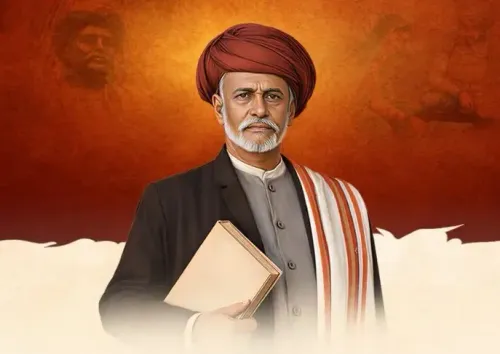
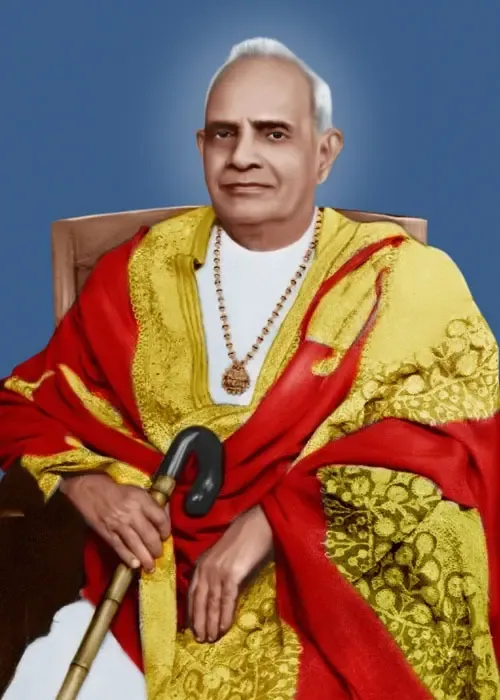
New Delhi/Thiruvananthapuram, Jan 2 (NationPress) Prime Minister Narendra Modi honored Mannathu Padmanabhan, a notable social reformer and freedom fighter, on the occasion of his birth anniversary, referring to him as “a monumental figure dedicated to the service of society”. He emphasized that Mannam's commitment to dignity, equality, and social reform continues to steer India toward a fair and harmonious future.
In a message shared on his X account on Friday, PM Modi stated, “On the birth anniversary of Mannathu Padmanabhan, we pay homage to a towering personality whose life was dedicated to serving society. He was a visionary who believed that true progress is rooted in dignity, equality, and social reform. His efforts in areas like health, education, and women empowerment are highly inspiring. His ideals continue to guide us toward a society that is just, compassionate, and harmonious.”
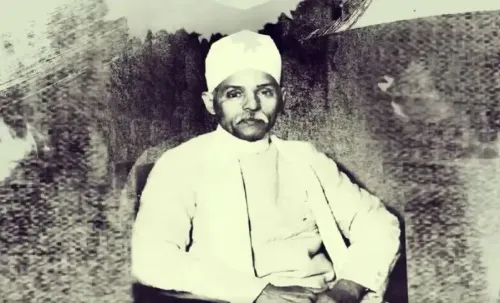
Mannathu Padmanabhan, affectionately known as Mannam, stands as one of the most significant social reformers in Kerala’s modern history and is recognized as the founder of the Nair Service Society (NSS).
His life's mission was anchored in the belief that social progress could only be realized through education, organization, and moral reform.
Born on January 2, 1878, in Perunna, near Changanassery, Mannam's early life was marked by economic challenges. Despite interruptions in his schooling, he persevered through self-initiative, becoming a teacher and later achieving a law degree.
These formative experiences fostered in him a profound empathy for social injustices and a commitment to institutional reform.
In 1912, he established the Keraleeya Nair Samajam, which later transformed into the Nair Service Society in 1915, creating a robust platform for educational development, social upliftment, and community organization.
Although the NSS primarily catered to the Nair community, Mannam's reformative vision transcended sectional interests and aligned with Kerala’s broader renaissance movement.
He was instrumental in significant historical movements such as the Guruvayur Satyagraha (1931), opposed the authoritarian regime in Travancore, and later served as a member of the Travancore Legislative Assembly.
Mannam also played a crucial role in enhancing educational infrastructure, including the establishment of the NSS Engineering College.
Honored nationally for his contributions, he received the title Bharata Kesari and was later awarded the Padma Bhushan.
More than fifty years after his demise, Mannathu Padmanabhan remains a symbol of principled leadership, social reform, and institution-building in Kerala’s public life, having passed away in 1970.
Interestingly, it is worth noting that when Mannam became the president of the Travancore Devasom Board in 1949, his influential presence was undeniable. Today, however, the TDB faces its most significant controversy, linked to the Sabarimala gold heist case, resulting in the imprisonment of ten individuals, including two former presidents.
Point of View
It is essential to recognize the enduring relevance of his ideals in today's India. His commitment to social reform and equality remains a cornerstone for progressive change, inspiring both current leaders and citizens alike.
NationPress
18 Sept 2026
Frequently Asked Questions
Who was Mannathu Padmanabhan?
Mannathu Padmanabhan was a prominent social reformer and freedom fighter from Kerala, known for founding the Nair Service Society and advocating for education, health, and women's empowerment.
What is the significance of Mannam's birth anniversary?
Mannam's birth anniversary is celebrated as a reminder of his contributions to social reform and the ongoing relevance of his ideals in fostering a just society.
What were Mannathu Padmanabhan's key contributions?
He founded the Nair Service Society, played a significant role in Kerala's renaissance movement, and was involved in various social and educational reforms.
What honors did Mannam receive for his work?
He was awarded the title Bharata Kesari and later received the Padma Bhushan for his contributions to society.
How does Mannathu Padmanabhan's legacy live on today?
His principles of dignity, equality, and social reform continue to guide contemporary movements for social justice and community empowerment in India.