PMK demands Cauvery Management Board, slams CWMA over Karnataka shortfall
Synopsis
Karnataka has released just 3.44 tmc ft of Cauvery water to Tamil Nadu since June against a mandated 28.30 tmc ft — and the CWMA declined to intervene. PMK's Anbumani Ramadoss is now demanding the Centre scrap the authority and replace it with an empowered Cauvery Management Board, with a Supreme Court challenge on the table if the state government acts.
Key Takeaways
PMK president Anbumani Ramadoss on 23 July accused the CWMA of failing to enforce Karnataka's water-release obligations to Tamil Nadu.
Karnataka has released only 3.44 tmc ft since June against a mandated 28.30 tmc ft — a shortfall of nearly 25 tmc ft .
The CWMA accepted Karnataka's claim that available storage was sufficient only for Bengaluru's drinking water needs, declining Tamil Nadu's request for an immediate release.
Anbumani argued the CWMA lacks statutory powers to compel compliance or impose penalties, making it structurally ineffective.
PMK has demanded the Centre establish a Cauvery Management Board with enforcement authority, as originally envisaged by the Cauvery Water Disputes Tribunal .
Anbumani urged the Tamil Nadu government to approach the Supreme Court if the Centre does not act.
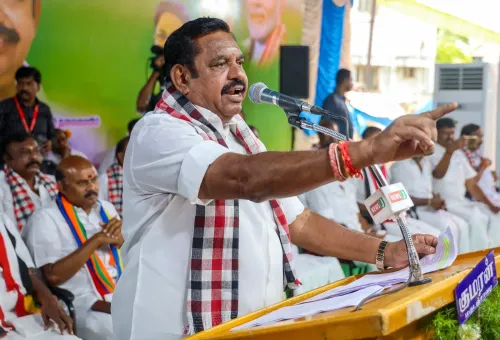
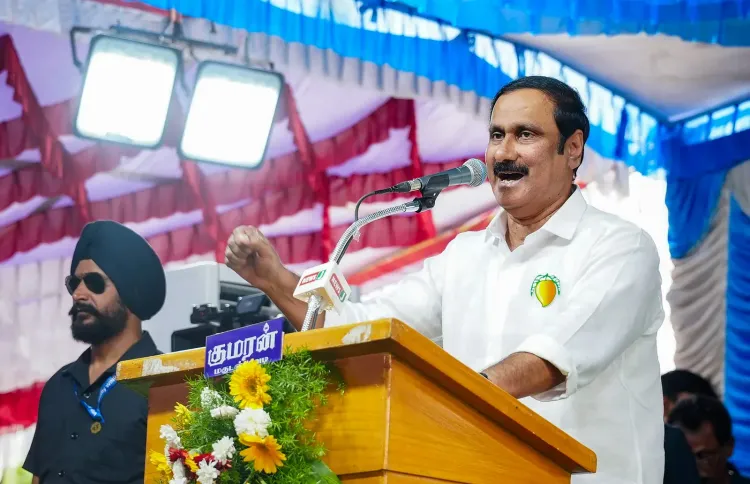
Pattali Makkal Katchi (PMK) president Anbumani Ramadoss on Thursday, 23 July escalated pressure on the Centre over the long-running Cauvery water-sharing dispute, accusing the Cauvery Water Management Authority (CWMA) of failing to compel Karnataka to release Tamil Nadu's legally mandated share of water during a critical agricultural window.
What the CWMA Decided
According to Anbumani, the CWMA accepted Karnataka's argument that water currently stored in its reservoirs was sufficient only to meet Bengaluru's drinking water requirements. On that basis, the authority declined Tamil Nadu's request for an immediate release to protect standing kuruvai crops in the Cauvery delta — a decision the PMK leader described as a direct failure of institutional duty.
The Shortfall in Numbers
Anbumani stated that Karnataka has released only 3.44 thousand million cubic feet (tmc ft) of water to Tamil Nadu since June, against a mandated allocation of 28.30 tmc ft — a shortfall of nearly 25 tmc ft during a season when delta farmers depend on timely Cauvery flows for paddy transplantation. He disputed Karnataka's claim of inadequate storage, asserting that the neighbouring state's reservoirs held sufficient water to meet both its own drinking water needs and Tamil Nadu's allocated share simultaneously.
PMK's Case Against the CWMA
The PMK president argued that the CWMA's structural limitations are at the root of the recurring crisis. The authority, he said, lacks statutory powers to compel states to implement its directions or to initiate punitive action in the event of non-compliance. He accused Karnataka of repeatedly violating the agreed water-sharing schedule while the CWMA stood by without enforcement recourse.
Demand for a Cauvery Management Board
Calling for structural reform, Anbumani urged the Union government to replace the CWMA with a fully empowered Cauvery Management Board — the body originally envisaged by the Cauvery Water Disputes Tribunal — vested with authority to regulate reservoir operations and oversee water releases in strict accordance with the tribunal's award. He also appealed to the Tamil Nadu government to sustain pressure on the Centre and, if necessary, approach the Supreme Court to secure the state's legitimate water entitlement.
What Happens Next
With kuruvai cultivation already under stress and the delta farming community facing potential crop losses, the dispute is likely to intensify in the weeks ahead. The PMK's call for Supreme Court intervention, if acted upon by the state government, could push the Cauvery standoff back into judicial territory — a path Tamil Nadu has taken before when inter-state negotiations stalled.
Point of View
But the numbers Anbumani cites — 3.44 tmc ft released against 28.30 tmc ft mandated — are stark, and the CWMA's decision to accept Karnataka's drinking-water argument without independent verification sets a troubling precedent. The core problem, as PMK correctly identifies, is institutional: an authority without enforcement teeth is essentially a mediation body that the stronger party can ignore. What mainstream coverage underplays is that the demand for a Cauvery Management Board is not a political novelty — it was the Tribunal's own prescription, shelved for years under inter-state political pressures. The real question is whether Tamil Nadu's government will back its own farmers with a Supreme Court filing, or whether this remains a statement season.
NationPress
22 Oct 2026
Frequently Asked Questions
Why is PMK demanding a Cauvery Management Board?
PMK president Anbumani Ramadoss argues that the existing CWMA lacks statutory powers to compel states to release water or penalise non-compliance, making it ineffective. He wants the Centre to replace it with a Cauvery Management Board — as originally recommended by the Cauvery Water Disputes Tribunal — with binding enforcement authority.
How much water has Karnataka released to Tamil Nadu so far?
According to Anbumani Ramadoss, Karnataka has released only 3.44 tmc ft of Cauvery water to Tamil Nadu since June, against a mandated allocation of 28.30 tmc ft — a shortfall of nearly 25 tmc ft during the critical kuruvai cultivation season.
Why did the CWMA decline Tamil Nadu's water request?
The CWMA accepted Karnataka's contention that water in its reservoirs was sufficient only to meet Bengaluru's drinking water requirements, and on that basis declined Tamil Nadu's plea for an immediate release to protect standing kuruvai crops. PMK disputed this claim, asserting Karnataka's reservoirs held enough water to meet both needs.
What is kuruvai cultivation and why does it matter here?
Kuruvai is an early-season short-duration paddy crop grown in the Cauvery delta districts of Tamil Nadu. It is heavily dependent on timely Cauvery water releases for transplantation, and a delay in flows during this window can result in significant crop losses for delta farmers.
What legal options does Tamil Nadu have?
Anbumani Ramadoss has urged the Tamil Nadu government to approach the Supreme Court if the Centre does not act on constituting the Cauvery Management Board. Tamil Nadu has previously moved the Supreme Court over Cauvery water disputes, and a fresh petition remains a viable route under the existing tribunal award framework.