Karnataka CM on Cauvery: Appeal Filed, All-Party Meet Called
Synopsis
Karnataka has appealed the CWRC's directive to release 3,500 cusecs daily to Tamil Nadu before CWMA, disclosed reservoir levels across four dams, convened an all-party meeting of 36 MPs, and called a Sunday all-party summit of former CMs and Cauvery-region legislators before committing to a final decision.
Key Takeaways
The CWRC has ordered Karnataka to release 3,500 cusecs per day to Tamil Nadu at Biligundlu, totalling 4.5 TMC over 15 days .
Karnataka has already filed an appeal before the CWMA and retained the same legal advisors from the Bommai era for continuity.
Current reservoir storage: Harangi 95% , Kabini 83% , Hemavathi 67% , KRS 36% ; total inflow at 25,000 cusecs .
Karnataka has released only 0.6 TMC to Tamil Nadu through July-end — described as the lowest in 100 years .
An all-party meeting of 36 MPs including 3 Union ministers was held before the appeal; a broader Sunday all-party summit has been called.
The Tamil Nadu delegation's proposed 3 August visit to Karnataka has been requested to be postponed until the atmosphere settles.
The order has landed, the reservoirs are being counted, and Karnataka is mobilising every legal and political lever it has. The Chief Minister's Office of Karnataka announced on Friday, 31 July 2026 that the state has already appealed before the Cauvery Water Management Authority (CWMA) against a Cauvery Water Regulation Committee (CWRC) directive to release 3,500 cusecs of water daily to Tamil Nadu — and that no final decision will be taken until legal experts are consulted and opposition leaders are brought into confidence.
What the CWRC ordered — and what Karnataka argued back
The CWRC direction requires Karnataka to release 3,500 cusecs per day to Tamil Nadu at Biligundlu, the inter-state border gauge point, amounting to 4.5 TMC over 15 days. Karnataka's Advocate General and Additional Chief Secretary appeared before the CWMA and argued for a reduced quantum and more time. Tamil Nadu, however, pushed back — demanding even higher releases. The CWRC ultimately ordered roughly half of Tamil Nadu's ask of 9.94 TMC, a detail the Karnataka government is citing as partial vindication of its position.
Critically, the state retained the same water-issue advisors who served under former Chief Minister Basavaraj Bommai, ensuring continuity of Karnataka's technical and legal arguments across administrations. Those advisors participated in the CWMA hearing and presented the state's case.
Reservoir levels, inflows, and a 100-year low
Karnataka's government disclosed current storage levels across its four Cauvery basin reservoirs: Harangi at 95%, Kabini at 83%, Hemavathi at 67%, and KRS at 36%. Total inflow into the dam system stands at 25,000 cusecs — a recovery the government called 'satisfactory.' The state also noted that last year, over 400 TMC flowed into the sea against the mandated share of 177 TMC, owing to three consecutive years of good rainfall.
The sharpest number in the statement: Karnataka has released only 0.6 TMC to Tamil Nadu so far through July-end — described as the lowest in 100 years. The government clarified this was not water released from reservoirs but runoff from rains around Bengaluru, not a deliberate discharge. Similar CWRC distress-year orders were issued in 2016, 2017, 2018 and 2023, placing the current directive in a recurring monsoon-season pattern.
All-party meeting, 36 MPs, and a postponed Tamil Nadu visit
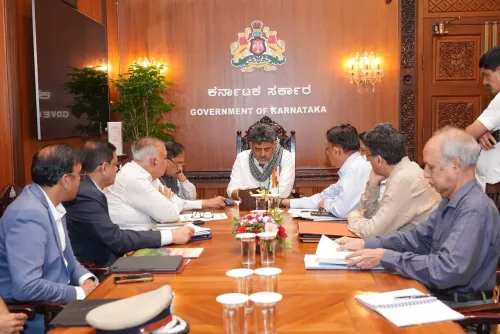
Before filing the CWMA appeal, the government convened an all-party meeting of 36 Members of Parliament, including three Union ministers — Prahlad Joshi, V. Somanna, and Shobha Karandlaje. Copies of the appeal were sent to all three, and they have since applied pressure on the Union government. A further all-party meeting — bringing together all former Chief Ministers, Cauvery-region MLAs and MPs — has been called for Sunday. Prior to that, the legal team, senior ministers Dr G. Parameshwara and Ramalinga Reddy, and officials held internal consultations.
On the diplomatic front, the Tamil Nadu Chief Minister's Office had proposed a delegation visit to Karnataka on 3 August. Karnataka's government, citing the 'present atmosphere,' has requested the meeting be deferred by a few days, with a commitment to receive the delegation 'cordially and respectfully' once tensions ease.
On the August 13 bandh call
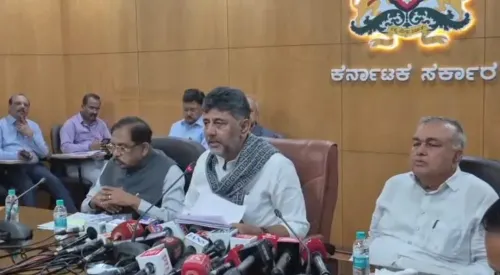
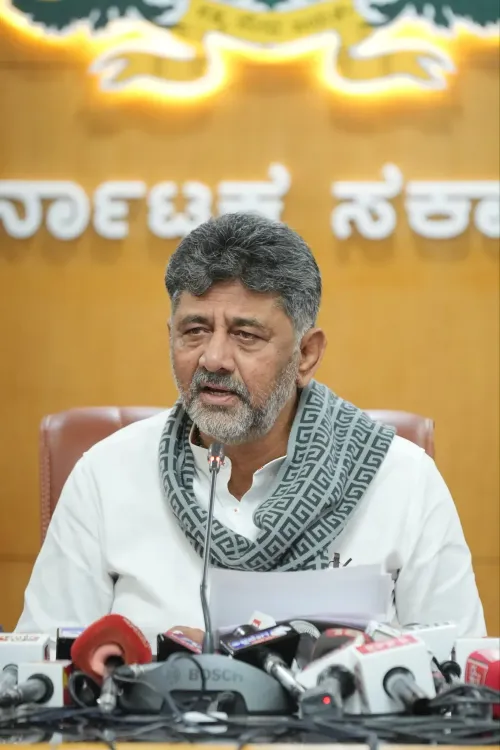
Addressing a bandh called for 13 August, the government — in the words attributed to Deputy Chief Minister DK Shivakumar at a press conference at Vidhana Soudha — urged citizens not to proceed with it. The appeal was framed gently: the government is already on the people's side, a bandh will not yield relief from court-mandated orders, and public inconvenience should be avoided. The statement stopped short of threatening action against organisers, keeping the tone conciliatory.
Point of View
Appeal immediately to CWMA, brief Central ministers, and convene all-party cover before any release — but the political stakes in 2026 are sharper given the 100-year low in cross-border flows and a looming bandh. By publicly disclosing reservoir percentages and the 0.6 TMC figure, the state is building a legal and public-opinion record simultaneously. The request to postpone the Tamil Nadu delegation visit is a calculated de-escalation signal, signalling that Bengaluru wants a negotiated outcome but on its own timeline. The broader pattern — recurring monsoon crises, cross-party solidarity, and CWMA as the arena — shows that the 2018 Supreme Court framework, while providing structure, has not ended the annual political theatre around Cauvery.
NationPress
15 Sept 2026
Frequently Asked Questions
What has the CWRC ordered Karnataka to do regarding Cauvery water?
The Cauvery Water Regulation Committee has directed Karnataka to release 3,500 cusecs of water per day to Tamil Nadu at Biligundlu, the inter-state border point, amounting to 4.5 TMC over 15 days.
Has Karnataka appealed the CWRC order?
Yes. Karnataka filed an appeal before the Cauvery Water Management Authority (CWMA) against the order, with the state's Advocate General and Additional Chief Secretary arguing for a reduced quantum and more time.
What are the current water levels in Karnataka's Cauvery reservoirs?
As of the statement on 31 July 2026, Harangi stands at 95%, Kabini at 83%, Hemavathi at 67%, and KRS at 36%, with total inflows at 25,000 cusecs.
Why is the August 13 bandh being opposed by the Karnataka government?
The government, through Deputy CM DK Shivakumar, appealed against the bandh saying the state is already fighting for citizens' interests, court-mandated orders cannot be changed by a bandh, and public inconvenience should be avoided.
What is the Sunday all-party meeting about?
Karnataka has called an all-party meeting on Sunday bringing together all former Chief Ministers, Cauvery-region MLAs and MPs to discuss the CWRC order and decide the state's next course of action after consulting legal experts.