Tamil Nadu moves Supreme Court as Karnataka withholds Cauvery water
Synopsis
Tamil Nadu has filed a Supreme Court petition after Karnataka failed to release Cauvery water as directed by the CWMA and CWRC. Chief Minister C. Joseph Vijay ordered the legal action, escalating a recurring inter-state water dispute to India's highest court during a critical irrigation season.
Key Takeaways
Tamil Nadu has filed a petition in the Supreme Court of India against Karnataka's refusal to release Cauvery water.
The petition was filed on the instructions of Chief Minister C.
Joseph Vijay , as announced by the CMO on 3 August 2026 .
Karnataka has not complied with water-release orders from the Cauvery Water Management Authority (CWMA) and the Cauvery Water Regulation Committee (CWRC) .
CWMA was constituted in June 2018 following a Supreme Court judgment in February 2018 that created a binding inter-state water-sharing framework.
The timing is critical: delayed releases during the southwest monsoon directly threaten kharif crop sowing in Tamil Nadu's Cauvery delta districts.
The Supreme Court may issue interim directions on a release schedule; non-compliance could attract contempt proceedings against Karnataka.
With Karnataka refusing to release Cauvery water despite binding directives from two statutory authorities, Tamil Nadu has taken the fight to the country's highest court. The Chief Minister's Office of Tamil Nadu announced on Monday, 3 August 2026 that a petition has been filed in the Supreme Court of India on the instructions of Chief Minister C. Joseph Vijay, after Karnataka failed to comply with orders issued by the Cauvery Water Management Authority (CWMA) and the Cauvery Water Regulation Committee (CWRC).
What CWMA and CWRC ordered — and why Karnataka's silence matters
The CWMA is a statutory body constituted in June 2018 following a landmark Supreme Court judgment in February 2018 that modified the earlier tribunal award and created a binding institutional framework for inter-state water sharing. The CWRC, its technical arm, is responsible for day-to-day monitoring and for ordering reservoir releases from Karnataka's dams into Tamil Nadu's river channels. When Karnataka does not act on those orders, the legal remedy is precisely what Tamil Nadu has now invoked — a direct petition to the court that created the authority in the first place.
The CMO's post, written in Tamil, states plainly: Karnataka has not released water to Tamil Nadu as directed by CWMA and CWRC, and the Chief Minister has instructed that a case be filed before the Supreme Court. The move signals that administrative channels have been exhausted.
A dispute older than any dam on the river
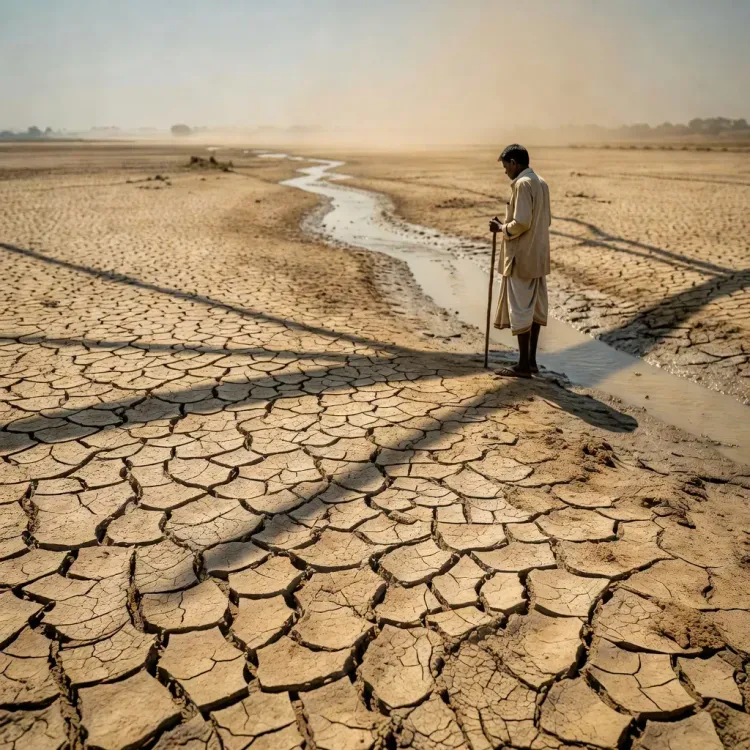
Tamil Nadu, as the lower riparian state, depends on Cauvery flows to irrigate its delta districts — among the most agriculturally productive zones in peninsular India. The southwest monsoon season makes the timing of releases critical: delayed water translates directly into crop loss for farmers who have already sown. Karnataka, the upper riparian state, controls the major storage reservoirs and has historically argued that its own storage needs and rainfall deficits justify holding back releases.
The Cauvery conflict has followed a punishing cycle for decades — tribunal awards, Supreme Court modifications, regulatory directives, and fresh litigation every time monsoon inflows fall short. The 2007 tribunal award, the 2018 Supreme Court modification, and the creation of CWMA were all meant to break that cycle. Tuesday's petition is evidence the cycle has not broken.
What the Supreme Court listing could decide
The immediate question before the court will be whether to issue interim directions compelling Karnataka to release water on a specific schedule ahead of the critical kharif sowing window. Any such direction would carry the weight of contempt proceedings if ignored — raising the political and legal stakes for Bengaluru considerably.
For Tamil Nadu's delta farmers, the clock is already running. A Supreme Court bench that moves quickly on listing could still salvage part of the irrigation season. A delayed hearing cannot.
Point of View
And this petition tests whether the Supreme Court will sharpen its own institutional teeth. How quickly the bench lists the matter, and whether it issues interim directions, will determine whether the dispute is resolved within this irrigation season or drags into the next.
NationPress
17 Sept 2026
Frequently Asked Questions
Why has Tamil Nadu filed a case in the Supreme Court over Cauvery water?
Tamil Nadu filed the petition because Karnataka has not released Cauvery water as directed by the CWMA and CWRC, the two statutory bodies mandated to oversee inter-state water sharing. Chief Minister C. Joseph Vijay instructed the legal action after administrative channels failed.
What is the Cauvery Water Management Authority (CWMA)?
The CWMA is a statutory body set up in June 2018 by the Union government following a Supreme Court order. It is responsible for implementing the court-directed water-sharing schedule between Karnataka, Tamil Nadu, Kerala, and Puducherry.
What can the Supreme Court do about Karnataka not releasing Cauvery water?
The Supreme Court can issue interim directions ordering Karnataka to release water on a specific schedule. If Karnataka disobeys such an order, it could face contempt of court proceedings, which significantly raises the legal and political stakes.
How does the Cauvery dispute affect Tamil Nadu farmers?
Tamil Nadu's Cauvery delta is one of the most agriculturally productive regions in south India. Delayed water releases during the southwest monsoon directly threaten kharif sowing, potentially causing widespread crop loss for delta farmers.
What was the 2018 Supreme Court judgment on Cauvery water?
In February 2018, the Supreme Court modified the 2007 Cauvery Water Disputes Tribunal award and directed the Union government to create the CWMA and CWRC to oversee day-to-day monitoring and enforcement of water releases — the same bodies whose orders Karnataka is now accused of ignoring.