Cauvery water release: Karnataka to decide on 12,000 cusecs order based on reservoir levels
Synopsis
Karnataka is pushing back on a CWRC order to release 12,000 cusecs of Cauvery water daily to Tamil Nadu for 15 days — a total of over 15 TMC. With the southwest monsoon weakening and farmers anxious, CM Shivakumar has called a Cabinet meeting for 12 August and confirmed the state will challenge the directive in court, setting up a fresh flashpoint in one of India's most contentious inter-state water disputes.
Key Takeaways
The CWRC has ordered Karnataka to release 12,000 cusecs of Cauvery water daily to Tamil Nadu for 15 days , totalling over 15 TMC .
Shivakumar said the final decision will be based on water availability in Karnataka's reservoirs.
A Cabinet meeting is scheduled for 12 August to decide on the legal and political course of action.
Karnataka has reportedly decided to challenge the CWRC recommendation , citing drinking water needs and weakening southwest monsoon.
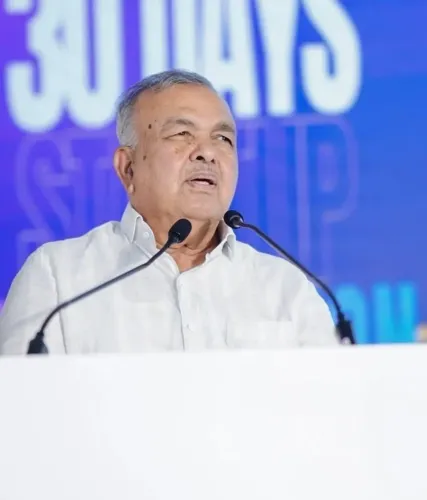
Water Resources Minister Ramalinga Reddy noted Karnataka already released approximately 11 TMC to Tamil Nadu during May–July .
Supreme Court lawyers and irrigation experts from Karnataka are in New Delhi preparing the state's legal position.
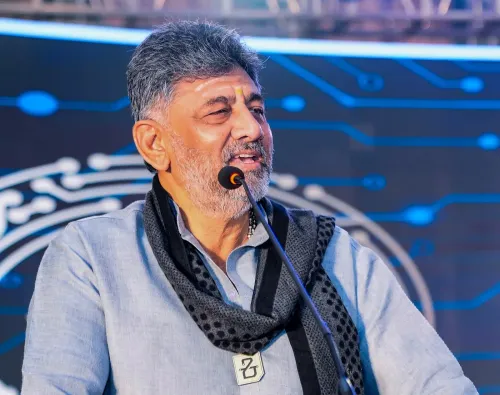
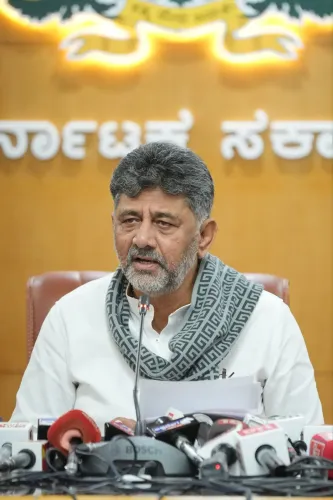
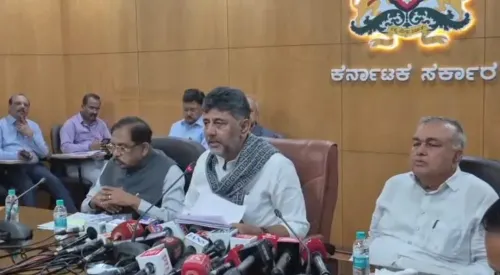
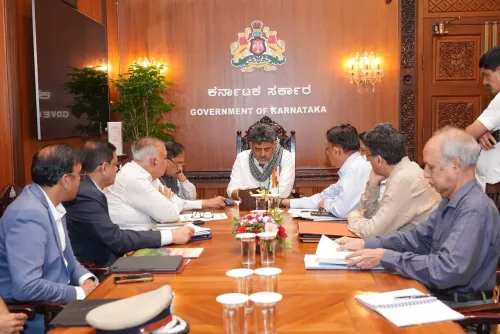
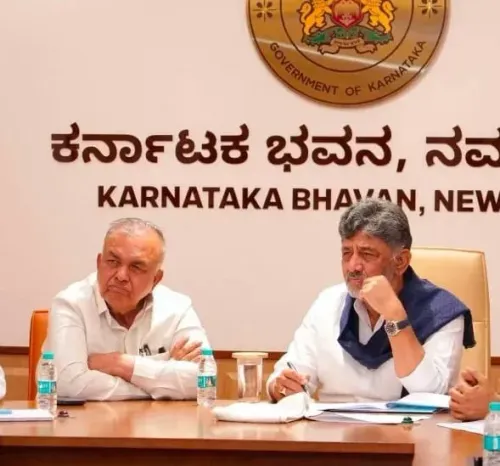
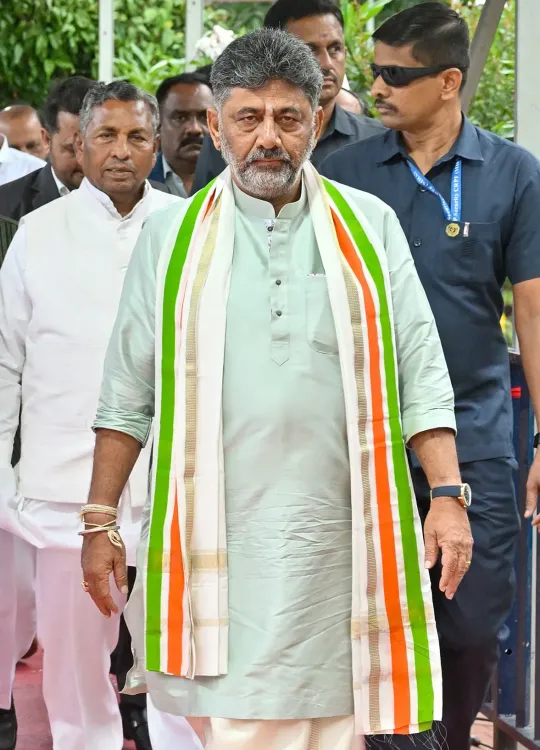
Karnataka Chief Minister D.K. Shivakumar on Tuesday, 11 August said the state government would determine its response to the Cauvery Water Regulation Committee's (CWRC) directive to release 12,000 cusecs of Cauvery water daily to Tamil Nadu for 15 days, contingent on actual water availability in Karnataka's reservoirs. Speaking to reporters in Bengaluru, Shivakumar said a high-level meeting of ministers and irrigation experts would be convened to deliberate on the matter before any final call is made.
What the CWRC Order Demands
The CWRC has directed Karnataka to release 12,000 cusecs of Cauvery water every day for the next 15 days. Water Resources Minister Ramalinga Reddy clarified that complying with this order would require the state to release more than 15 TMC of water in total — a figure the government views as significant given current reservoir conditions.
Reddy noted that Karnataka had already released a considerable volume of water to Tamil Nadu during May, June, and July. According to him, approximately 3.5 TMC flowed out during those months, with an additional 7.5 TMC entering Tamil Nadu from the Kabini reservoir, which was full at the time and could not store further inflows.
Karnataka's Concerns Over Monsoon and Farming
A key argument the state government is expected to make is the weakening of the southwest monsoon over Karnataka. Reddy expressed concern that the state cannot rely on August rainfall to replenish its reservoirs. Tamil Nadu, by contrast, is expected to receive northeast monsoon rainfall later in the year, which Karnataka argues reduces the immediate urgency of the release.
Chief Minister Shivakumar appealed to farmers to remain calm and patient. 'Farmers need not be agitated over the order to release water. I appeal to farmers to remain patient and maintain harmony,' he said. He added that the government's foremost priority remains protecting the crops and drinking water requirements of Karnataka's farming communities.
Legal and Political Course of Action
Sources confirmed that the Karnataka government has decided to challenge the CWRC recommendation, citing concerns over drinking water availability and agricultural needs. Senior ministers and party leaders were scheduled to meet on Tuesday night, with a Cabinet meeting fixed for Wednesday, 12 August to determine the legal and political strategy.
A team comprising the state's Additional Chief Secretary, irrigation experts, and Supreme Court lawyers who have handled the Cauvery case for over two decades were reported to be in New Delhi to prepare the state's legal position. The government's next decision is expected after the outcome of the Cauvery Water Management Authority (CWMA) meeting and the Supreme Court hearing.
Transparency Pledge Amid Political Tensions
Shivakumar was emphatic that the Cauvery issue would not be allowed to become a political battleground. 'I will act with complete transparency on irrigation issues. There can be no politics in this matter. While respecting the court's orders, our first priority is to protect the crops of our farmers,' he said.
The standoff is expected to sharpen the long-running inter-state water dispute, with Karnataka insisting that its drinking water and agricultural requirements must be factored in before any further release. The Supreme Court's role in adjudicating the matter remains central, and the coming days are likely to be critical in determining how much water, if any, flows toward Tamil Nadu in the near term.
Point of View
Especially with farmers already anxious about a faltering monsoon. What makes this cycle particularly fraught is that the state's argument about northeast monsoon compensating Tamil Nadu is structurally sound but has rarely moved the CWRC or the Supreme Court in Karnataka's favour historically. Shivakumar's transparency pledge is notable, but the real test is whether the Cabinet on 12 August produces a coherent legal strategy or merely delays the inevitable. With reservoir levels the deciding variable, the dispute is ultimately a monsoon story dressed in legal robes.
NationPress
26 Sept 2026
Frequently Asked Questions
What has the CWRC ordered Karnataka to do?
The Cauvery Water Regulation Committee (CWRC) has directed Karnataka to release 12,000 cusecs of Cauvery water daily to Tamil Nadu for 15 consecutive days, which amounts to more than 15 TMC of water in total.
What is Karnataka's response to the CWRC order?
Karnataka has decided to challenge the CWRC recommendation, according to sources. CM D.K. Shivakumar said the state would make its decision based on actual reservoir water levels, and a Cabinet meeting has been called for 12 August to finalise the legal and political strategy.
Why is Karnataka reluctant to release the water?
Karnataka cites a weakening southwest monsoon, concerns over drinking water availability, and the need to protect the crops of its farmers. The state argues that releasing over 15 TMC at this stage could critically affect agriculture and domestic water supply.
How much water has Karnataka already released to Tamil Nadu this year?
According to Water Resources Minister Ramalinga Reddy, approximately 3.5 TMC flowed to Tamil Nadu during May, June, and July, with an additional 7.5 TMC entering Tamil Nadu from the Kabini reservoir, which was full and could not retain further inflows.
What happens next in the Cauvery water dispute?
Karnataka's Cabinet is scheduled to meet on 12 August to decide on the legal course of action. The state's legal team, including Supreme Court lawyers with over two decades on the Cauvery case, is in New Delhi preparing arguments. The outcome of the upcoming CWMA meeting and Supreme Court hearing will shape the state's next move.