Cauvery water row: TN Congress chief demands Karnataka act on CWRC order
Synopsis
Tamil Nadu has received barely 10 per cent of its scheduled Cauvery allocation this water year, and the CWRC has now ordered Karnataka to release 4 tmcft at 3,500 cusecs a day — but Karnataka is signalling an appeal. With Kuruvai crops already hit and Samba at risk, the standoff is moving from a legal dispute into an agrarian emergency for delta farmers.
Key Takeaways
The CWRC directed Karnataka to release 4 tmcft of Cauvery water to Tamil Nadu at 3,500 cusecs per day for 15 days from 29 July .
Tamil Nadu had received only 3.543 tmcft against a scheduled 35.391 tmcft as of 26 July — just 10.01% of its due share.
The cumulative shortfall stands at 9.46 tmcft in the current water year.
Karnataka Water Resources Minister K.
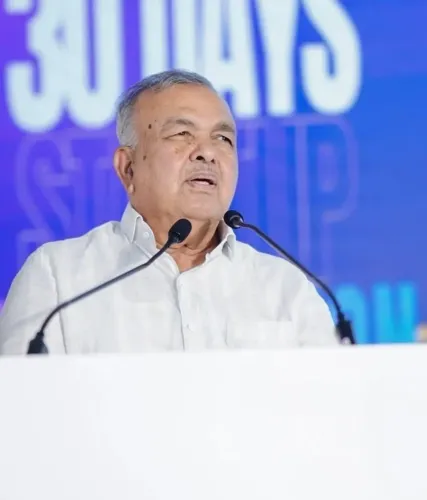
Ramalinga Reddy indicated the state may appeal to the CWMA , citing drought and low reservoir levels.
Manickam Tagore warned that Kuruvai cultivation has already suffered and the Samba crop is also at risk without immediate water release.
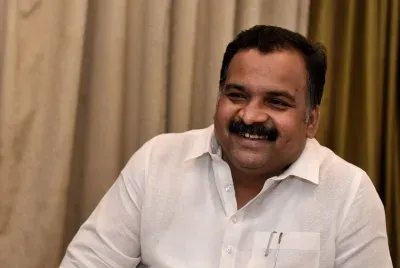
Tamil Nadu Congress Committee president and Virudhunagar MP Manickam Tagore on Wednesday, 29 July demanded that the Karnataka government immediately comply with the Cauvery Water Regulation Committee (CWRC) order directing the release of Cauvery water to Tamil Nadu, warning that any delay or legal challenge would sharpen tensions between the two neighbouring states.
What the CWRC Ordered
The CWRC on Tuesday, 28 July directed Karnataka to release 4 tmcft of water to Tamil Nadu at a rate of 3,500 cusecs per day for 15 days beginning 29 July. The order is a statutory directive under the inter-state water-sharing framework governing the Cauvery basin.
Karnataka's Pushback
Karnataka Water Resources Minister K. Ramalinga Reddy indicated the state is considering filing an appeal before the Cauvery Water Management Authority (CWMA), citing drought conditions and limited storage in its reservoirs. Tagore called these remarks 'irresponsible', arguing they serve only to create unnecessary discord at a time when inter-state cooperation is essential.
The Shortfall Tamil Nadu Faces
According to Tagore, Tamil Nadu had received only 3.543 tmcft of water against a scheduled allocation of 35.391 tmcft as of 26 July — barely 10.01 per cent of the quantity due, leaving a cumulative shortfall of 9.46 tmcft in the current water year. He warned that Kuruvai cultivation had already suffered and that the forthcoming Samba crop was also at risk unless water was released without further delay.
Tagore's Demand and Federal Argument
'Water must be released immediately. The Karnataka government should implement the CWRC order in letter and spirit without any excuses,' Tagore said in a post on X, stressing that farmers in the Cauvery delta were anxiously awaiting water to sustain agricultural operations. He added that honouring legally binding awards and statutory directions was essential to preserving India's federal structure and maintaining harmony between riparian states.
What Comes Next
If Karnataka proceeds with its appeal to the CWMA, the release timeline could be further delayed, deepening the agricultural crisis in Tamil Nadu's delta districts. Industry observers note this is a recurring flashpoint — the Cauvery dispute has triggered inter-state friction repeatedly over the past three decades, and the current standoff follows a familiar pattern of statutory orders being contested during low-reservoir years.
Point of View
But the numbers this time are stark — Tamil Nadu at 10 per cent of its scheduled allocation by late July is not a rounding error; it is an agricultural emergency. Karnataka's move to appeal the CWRC order is legally permissible, but it follows a well-worn pattern of using procedural avenues to delay compliance during drought years, a tactic that has historically shifted the burden onto downstream farmers rather than upstream reservoirs. What is missing from this annual cycle is a durable surplus-sharing mechanism that functions in low-rainfall years — the one scenario where the current framework consistently breaks down. Until the CWMA and the Centre enforce orders with time-bound consequences for non-compliance, these directives will remain aspirational.
NationPress
27 Oct 2026
Frequently Asked Questions
What has the CWRC ordered Karnataka to do?
The Cauvery Water Regulation Committee directed Karnataka to release 4 tmcft of water to Tamil Nadu at a rate of 3,500 cusecs per day for 15 days starting 29 July 2025.
How much Cauvery water has Tamil Nadu received so far this year?
According to Manickam Tagore, Tamil Nadu had received only 3.543 tmcft against a scheduled allocation of 35.391 tmcft as of 26 July — approximately 10.01 per cent of its due share, leaving a cumulative shortfall of 9.46 tmcft.
Why is Karnataka reluctant to release water?
Karnataka Water Resources Minister K. Ramalinga Reddy cited drought conditions and limited storage in the state's reservoirs. Karnataka is reportedly considering an appeal before the Cauvery Water Management Authority (CWMA).
Which crops in Tamil Nadu are at risk?
The Kuruvai crop has already suffered due to inadequate water availability. Manickam Tagore warned that the forthcoming Samba crop season is also at risk unless Cauvery water is released without further delay.
What is the Cauvery Water Regulation Committee?
The CWRC is a statutory body established under the Cauvery Water Management Scheme to regulate and monitor the sharing of Cauvery river water among the basin states — Karnataka, Tamil Nadu, Kerala, and Puducherry — in accordance with the Cauvery Water Disputes Tribunal award.