CWRC orders Karnataka to release 3,500 cusecs to Tamil Nadu; state awaits CM Shivakumar's call
Synopsis
With the KRS reservoir at barely a third of capacity and monsoon inflows at just 600 cusecs against a normal 3,000–4,000, the CWRC's order to release 3,500 cusecs daily to Tamil Nadu for 15 days puts Karnataka in a bind: comply and risk Bengaluru's summer drinking water supply, or appeal and face a protracted inter-state legal battle.
Key Takeaways
The CWRC has directed Karnataka to release 3,500 cusecs per day to Tamil Nadu for 15 days , following a meeting of Cauvery authorities on 28 July .
Karnataka Water Resources Minister Ramalinga Reddy said a final decision will be taken only after consultation with Chief Minister D.K.
The KRS reservoir currently holds only about 16 TMC against a full capacity of 46 TMC , with nearly 5 TMC being unusable dead storage.
Monsoon inflow into KRS has dropped to around 600 cusecs , far below the normal 3,000–4,000 cusecs .
Karnataka is weighing an appeal before the Cauvery Water Management Authority (CWMA) to protect drinking water supplies for Bengaluru , Mysuru , and Mandya .
State authorities are planning to conserve available water reserves through March or April next year and have advised farmers against water-intensive cultivation.
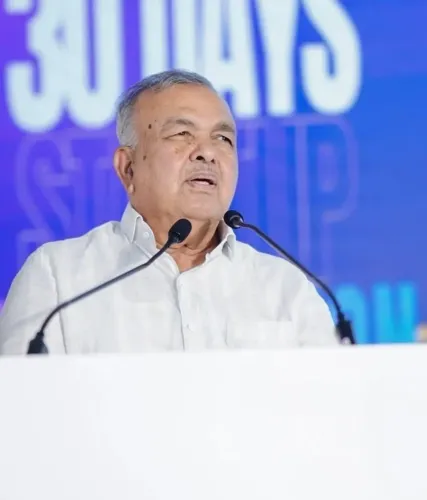
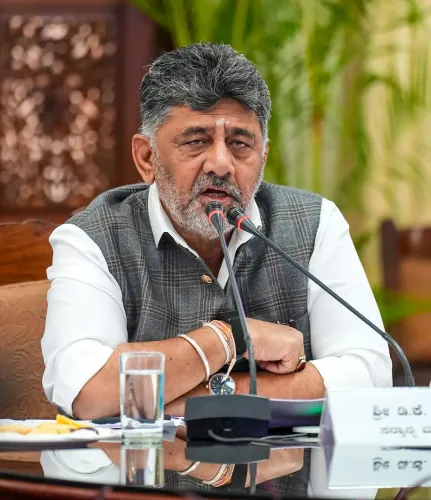
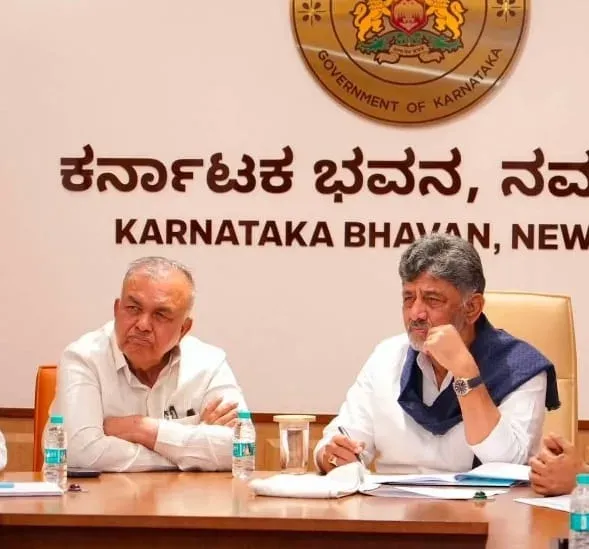
The Cauvery Water Regulatory Committee (CWRC) on 28 July directed Karnataka to release 3,500 cusecs of water per day to Tamil Nadu for 15 days, triggering a political and administrative dilemma for the state as it battles one of its worst monsoon deficits in recent memory. Karnataka Water Resources Minister Ramalinga Reddy said the state government would act only after consulting Chief Minister D.K. Shivakumar, leaving the final call in abeyance.
What the CWRC Directed
The directive emerged from a meeting of Cauvery authorities on Tuesday, at which the CWRC instructed Karnataka to maintain a daily discharge of 3,500 cusecs to Tamil Nadu over a 15-day window. Speaking to reporters in New Delhi, Minister Reddy confirmed the order and said Karnataka was also weighing an appeal before the Cauvery Water Management Authority (CWMA).
'There was a meeting of the Cauvery Water Regulatory Authority today, and Karnataka has been directed to release 3,500 cusecs of water every day for 15 days. We require nearly 6 TMC of water ourselves. We also have the option of filing an appeal before the Cauvery Water Management Authority, and a decision will be taken after discussing the matter with Chief Minister D.K. Shivakumar,' Reddy said.
The Crisis at KRS Reservoir
The CWRC order arrives at a particularly fraught moment for Karnataka's water managers. The Krishna Raja Sagara (KRS) reservoir — the primary source of drinking water for Bengaluru, Mysuru, and Mandya — currently holds only about 16 TMC against its full capacity of roughly 46 TMC. Of that 16 TMC, nearly 5 TMC is dead storage and cannot be drawn upon for use.
The reservoir's inflow situation compounds the concern. During a normal monsoon, the KRS receives between 3,000 and 4,000 cusecs of inflow daily. This season, inflow has slumped to roughly 600 cusecs — a fraction of what is needed to replenish stocks. Authorities have already advised farmers to avoid cultivating water-intensive crops that depend on KRS supplies, and officials are reportedly planning to conserve available reserves primarily for drinking purposes through March or April next year.
Karnataka's Position and Legal Options
Minister Reddy was unequivocal about the state's predicament. 'We have not received sufficient rainfall. Our priority is to ensure drinking water for the people for the entire year,' he said. The state's argument — that it needs the water for drinking supply to millions of citizens — is expected to form the core of any appeal before the CWMA.
Notably, any release of 3,500 cusecs per day over 15 days would amount to a significant drawdown from already stressed reservoirs, directly threatening Bengaluru's summer water supply. The city, India's technology capital, is heavily dependent on the Cauvery River system for its drinking water needs.
What Happens Next
The Karnataka government is expected to convene discussions with Chief Minister D.K. Shivakumar before issuing a formal response to the CWRC. The state has two broad paths: comply with the directive or challenge it before the CWMA. Legal observers note that the CWMA appeal route has been used in previous inter-state water disputes, though outcomes have varied. With little indication of substantial rainfall in the coming weeks, the pressure on state authorities to protect drinking water reserves is likely to intensify before any resolution is reached.
Point of View
While challenging the order before the CWMA prolongs uncertainty. What this episode exposes is the structural inadequacy of Cauvery water-sharing frameworks in accounting for climate-driven deficit years. The existing formula was designed around historical monsoon averages that are increasingly unreliable. Until the CWMA framework builds in a verified drinking-water-first carve-out backed by real-time reservoir data, Karnataka and Tamil Nadu will keep fighting the same battle every dry year.
NationPress
27 Oct 2026
Frequently Asked Questions
What has the CWRC directed Karnataka to do?
The Cauvery Water Regulatory Committee has directed Karnataka to release 3,500 cusecs of water per day to Tamil Nadu for 15 days, following a meeting of Cauvery authorities on 28 July. The order has been acknowledged by Karnataka Water Resources Minister Ramalinga Reddy.
Why is Karnataka reluctant to release water to Tamil Nadu?
Karnataka is facing a severe monsoon deficit, with the KRS reservoir holding only about 16 TMC against its 46 TMC capacity. The state's priority is securing drinking water for Bengaluru, Mysuru, and Mandya through summer, and officials warn that releasing 3,500 cusecs daily would significantly strain already stressed reserves.
What is the current water level at the KRS reservoir?
The Krishna Raja Sagara reservoir currently holds approximately 16 TMC of water, of which nearly 5 TMC is dead storage and cannot be used. Normal monsoon inflows of 3,000–4,000 cusecs have slumped to around 600 cusecs this season.
Can Karnataka appeal against the CWRC order?
Yes. Minister Ramalinga Reddy confirmed that Karnataka has the option of filing an appeal before the Cauvery Water Management Authority (CWMA). A decision on whether to appeal will be taken after consultations with Chief Minister D.K. Shivakumar.
How does this dispute affect Bengaluru's water supply?
Bengaluru, India's technology capital, relies heavily on the Cauvery River system for drinking water. With KRS inflows critically low and reserves being conserved for drinking purposes, any mandated release to Tamil Nadu could jeopardise the city's water availability during the upcoming summer months.