Karnataka to appeal Cauvery water release order, cites poor monsoon
Synopsis
The CWRA reversed two earlier rejections to order Karnataka to release 3,500 cusecs of Cauvery water daily to Tamil Nadu for 15 days — totalling 4 tmcft. CM D.K. Shivakumar is now weighing a Supreme Court challenge, citing a deficient monsoon. The legal move could set a fresh precedent in one of India’s most contested inter-state water conflicts.
Key Takeaways
Shivakumar announced on 29 July 2026 that the state will appeal the CWRA order directing Cauvery water release to Tamil Nadu .
The CWRA ordered a discharge of 3,500 cusecs per day for 15 days , totalling 4 tmcft , starting 29 July 2026 .
The authority had twice earlier rejected Tamil Nadu’s demand before issuing this order.
Karnataka is weighing an appeal before the CWMA or the Supreme Court ; the Advocate General and legal experts are finalising the approach.
Shivakumar is set to meet Opposition leaders in Bengaluru to build a unified state response on the Cauvery issue.
The Chief Minister cited a deficient monsoon as the primary reason Karnataka cannot comply with the release order.
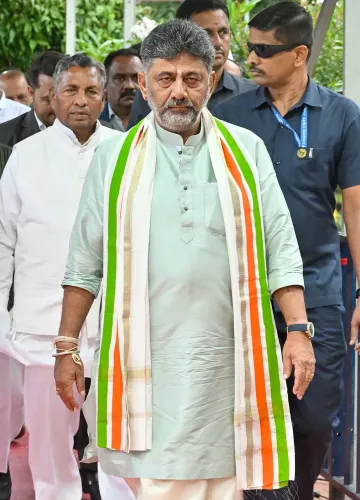
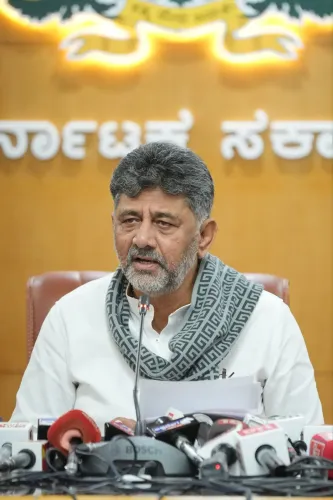
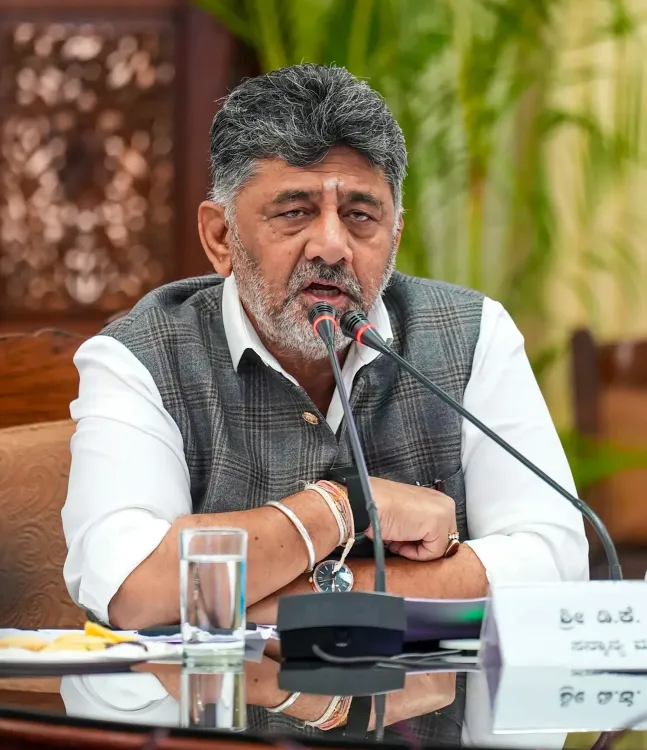
Karnataka Chief Minister D.K. Shivakumar on Wednesday, 29 July 2026, announced that the state government would challenge the order directing it to release Cauvery river water to Tamil Nadu, citing an inadequate monsoon season. Speaking to reporters in New Delhi, Shivakumar invoked a vivid metaphor, saying the “rain god Varuna has not shown mercy” on Karnataka this year, underlining the state’s precarious water position.
Background to the Dispute
The Cauvery Water Regulatory Authority (CWRA) had on two earlier occasions rejected Tamil Nadu’s demand for additional water releases. However, in its latest order, the authority directed Karnataka to discharge 3,500 cusecs per day starting 29 July 2026, in response to Tamil Nadu’s claim for pending June and July water quotas. The cumulative release over 15 days is set to total 4 thousand million cubic feet (tmcft).
Karnataka’s Legal Strategy
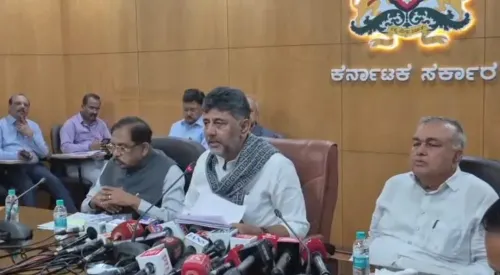
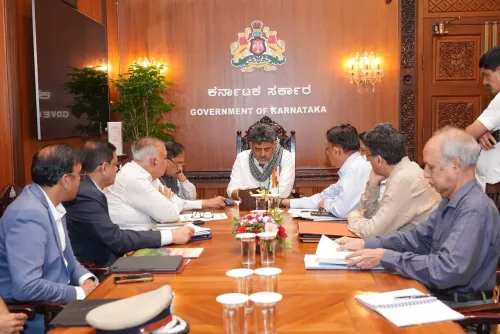
Shivakumar said the state had already held consultations with Water Resources Minister Ramalinga Reddy and senior officials to evaluate legal options. The state’s Advocate General, along with legal experts and government officers, is examining whether to challenge the order before the Cauvery Water Management Authority (CWMA) or move directly to the Supreme Court for immediate relief.
“Our Advocate General and officers are making preparations. Ministers have also consulted legal experts. We have left it to them to decide whether the appeal should be filed before the CWMA or the Supreme Court. We are seeking immediate relief,” Shivakumar said.
On his return to Bengaluru, the Chief Minister said he would convene a meeting with Opposition party leaders to build a cross-party consensus on the Cauvery issue, signalling that the state intends to present a united front.
Political Dimensions
The Cauvery dispute has long been one of the most politically charged inter-state water conflicts in India, with both Karnataka and Tamil Nadu holding strong electoral stakes in their respective positions. The CWRA’s reversal — after two earlier rejections of Tamil Nadu’s demand — adds a fresh layer of urgency for the Karnataka government ahead of a monsoon season that officials describe as deficient.
Notably, this is not the first time Karnataka has moved higher judicial or regulatory forums to stall or revise Cauvery release orders. The state has historically invoked distress clauses tied to reservoir levels and rainfall deficits in such appeals.
Other Remarks by the Chief Minister
Separately, Shivakumar weighed in on the controversy over alleged police firing on students in Delhi, backing Congress leader Rahul Gandhi’s remarks on the incident. “This is not merely Rahul Ji’s remark; it is a question concerning the nation. Students are asking the government questions. Who gave permission to the police to open fire on students?” he said. He noted that policing in Delhi falls under the Union government’s jurisdiction and called upon the Union Home Minister to explain what happened, describing it as an unprecedented incident.
On the pending Karnataka Cabinet expansion, Shivakumar said discussions were ongoing and that a final round of consultations with party leadership was yet to be completed. “Our leaders have informed us that they will call us,” he said, offering no firm timeline.
The outcome of Karnataka’s legal challenge — and which forum it ultimately approaches — is expected to be determined within the coming days as the 29 July release order takes effect.
Point of View
But the CWRA’s reversal after two rejections deserves scrutiny — the authority has not publicly detailed what changed between Tamil Nadu’s earlier requests and this one. Shivakumar’s monsoon-distress argument is a well-worn Karnataka playbook, yet reservoir data will ultimately determine whether courts find it credible. The deeper issue is structural: the Cauvery Water Management Authority was created precisely to depoliticise these releases, but every order still triggers a political crisis. Until both states accept a real-time, sensor-based release mechanism tied to verified inflow data, this cycle of orders, appeals, and cross-party summits will repeat every monsoon season.
NationPress
28 Oct 2026
Frequently Asked Questions
Why is Karnataka appealing the Cauvery water release order?
Karnataka is challenging the CWRA order because the state says it is facing a deficient monsoon this year and cannot afford to release water to Tamil Nadu. CM D.K. Shivakumar said the state is seeking immediate legal relief, either from the CWMA or the Supreme Court.
How much water has the CWRA ordered Karnataka to release?
The CWRA has directed Karnataka to discharge 3,500 cusecs of Cauvery water per day to Tamil Nadu starting 29 July 2026, for a period of 15 days, amounting to a total of 4 tmcft. The order responds to Tamil Nadu’s claim for pending June and July water quotas.
Has the CWRA previously rejected Tamil Nadu’s demand?
Yes. According to CM Shivakumar, the CWRA had twice earlier rejected Tamil Nadu’s demand before issuing the current order directing Karnataka to release water.
Where will Karnataka file its appeal — CWMA or Supreme Court?
A decision has not yet been finalised. Karnataka’s Advocate General and legal experts are evaluating whether to appeal before the Cauvery Water Management Authority (CWMA) or approach the Supreme Court directly for immediate relief.
What is the Cauvery Water Regulatory Authority (CWRA)?
The CWRA is the statutory body responsible for regulating the sharing of Cauvery river water among the basin states — primarily Karnataka, Tamil Nadu, Kerala, and Puducherry — in accordance with the final award of the Cauvery Water Disputes Tribunal and subsequent Supreme Court directions.