Karnataka all-party meet on Cauvery crisis as CWRA orders 3,500 cusecs release
Synopsis
Karnataka is walking a legal and political tightrope: the CWRA has ordered a 3,500-cusec release to Tamil Nadu even as the state battles an acute drinking water crisis and farmer protests in Mandya. With legal experts already convened in New Delhi and a possible Vijay-Shivakumar meeting on 4 August, the next fortnight could define how Karnataka navigates the Cauvery deadlock.
Key Takeaways
CWRA has directed Karnataka to release 3,500 cusecs of Cauvery water to Tamil Nadu amid an acute drinking water shortage in the state.
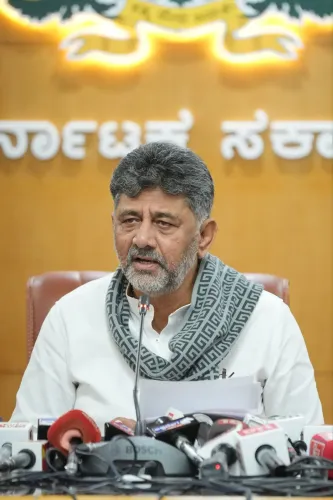
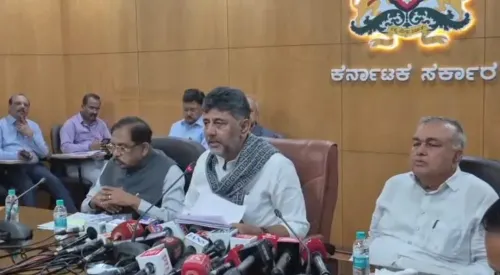
Parameshwara confirmed an all-party meeting proposed by CM D.K.
Shivakumar will be convened to discuss the issue.
Legal experts were consulted in New Delhi on Tuesday ; Water Resources Minister Ramalinga Reddy was present.
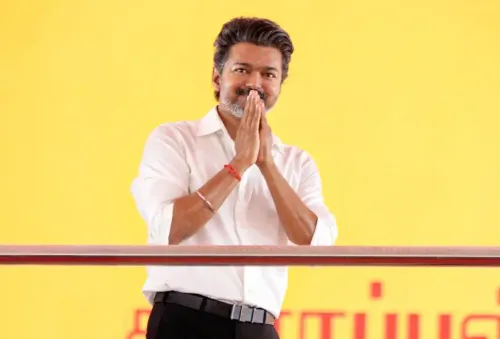
Tamil Nadu CM Joseph Vijay may visit Bengaluru on 4 August for bilateral talks on the dispute.
Farmer organisations in Mandya have announced protests over the water crisis.
Karnataka has sought relaxation in the Centre's 10-point drought criteria , citing an 80% rainfall deficit in parts of North Karnataka .
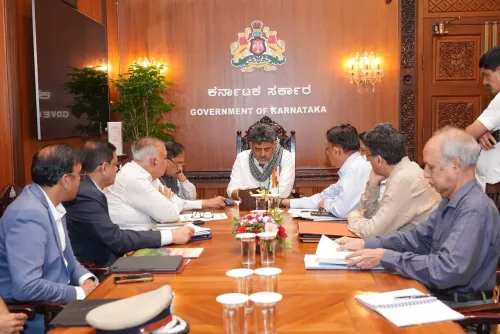
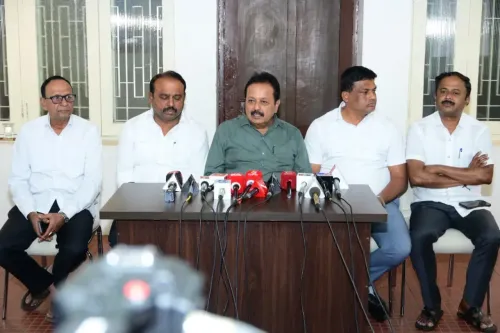
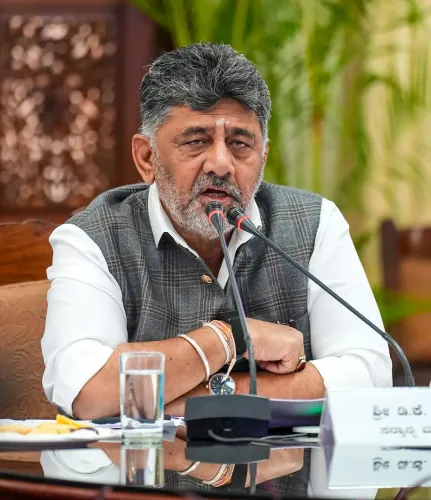
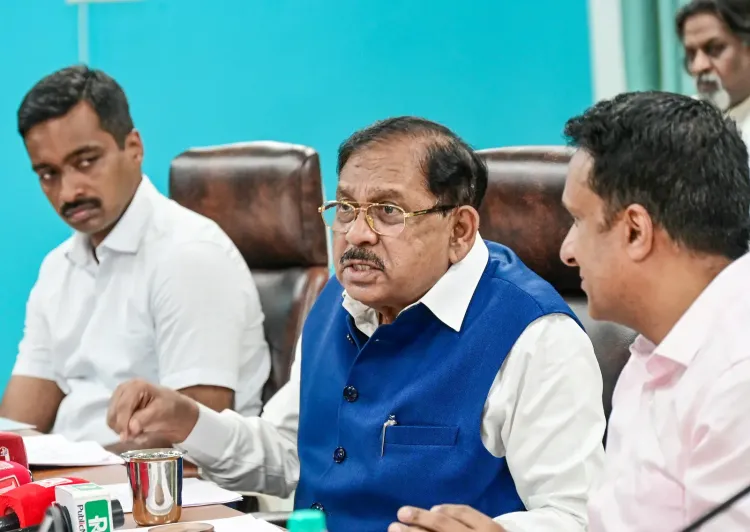
Karnataka Deputy Chief Minister G. Parameshwara on Wednesday, 29 July confirmed that the state government will convene an all-party meeting — proposed by Chief Minister D.K. Shivakumar — to deliberate on the Cauvery water-sharing dispute, even as the Cauvery Water Regulatory Authority (CWRA) has directed Karnataka to release 3,500 cusecs of water to Tamil Nadu amid an acute drinking water shortage across the state.
What the CWRA Order Means for Karnataka
The CWRA directive puts Karnataka in a difficult position: comply with a legally binding release order while simultaneously managing a severe internal water crisis. Parameshwara underlined the tension directly, questioning the feasibility of the release given current reservoir levels.
'Every time this issue surfaces, we have cooperated whenever there has been sufficient water. Last year and the year before that, Karnataka released more than the prescribed amount to Tamil Nadu. But when we are facing an acute drinking water shortage, it is necessary to examine how tenable it is to direct Karnataka to release 3,500 cusecs of water,' he said.
Legal Consultations and Next Steps
A meeting with legal experts was held in New Delhi on Tuesday to chart Karnataka's future course of action. Water Resources Minister Ramalinga Reddy was also present at the deliberations. Parameshwara said consultations would continue and that decisions would be guided by legal counsel.
There is also a possibility of Tamil Nadu Chief Minister Joseph Vijay visiting Bengaluru on 4 August, during which the Cauvery dispute could be taken up bilaterally. The proposed all-party meeting is expected to precede or coincide with this visit.
Farmer Protests and Ground-Level Distress
Farmer organisations in Mandya and surrounding districts have announced protests, reflecting deep anxiety over the water situation. Parameshwara acknowledged their concerns as understandable, saying: 'Farmer groups are expressing their anguish because they are aware of the water shortage situation in the state.'
Mandya, which lies in the Cauvery basin, is among the districts most directly affected by any reduction in water availability — making the CWRA order particularly sensitive for the region's agricultural communities.
Mekedatu Project and Tamil Nadu's Opposition
Parameshwara reiterated Karnataka's firm stance on the Mekedatu balancing reservoir project, saying judicial rulings clearly limit Tamil Nadu's grounds for objection to its allocated water share — not the project itself.
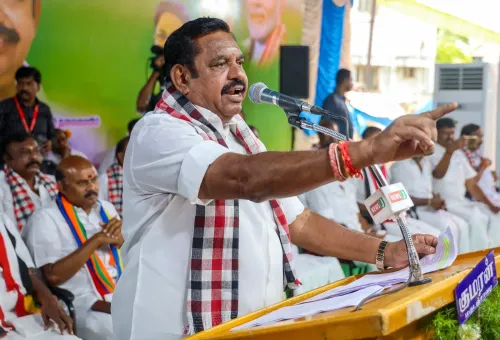
Responding to reports that Tamil Nadu Chief Minister Joseph Vijay had written to Prime Minister Narendra Modi opposing the project, Parameshwara said: 'The Prime Minister is not above the courts. The court's verdict is final, and it is in favour of Karnataka. We will proceed accordingly.'
Drought Relief and Centre's Criteria
The Deputy Chief Minister also addressed Karnataka's ongoing drought conditions, confirming that the state has already apprised the Centre of the severity of the situation and sought relaxation in the ten criteria currently used to declare drought. He specifically flagged North Karnataka, where some taluks have recorded an 80 per cent rainfall deficit.
'If taluks that have recorded an 80 per cent rainfall deficit cannot be declared drought-prone, then the existing criteria are not serving their purpose. That is why we have sought relaxation,' he said. The Centre's assessment team is expected to visit Karnataka in September, following rainfall data compiled through end of August.
With legal consultations ongoing, an all-party meeting imminent, and a possible inter-state CM-level discussion on the horizon, Karnataka's Cauvery strategy over the coming weeks will be closely watched.
Point of View
But this season's combination — a CWRA release order, a simultaneous internal drinking water crisis, and Mandya farmer protests — compresses Karnataka's political room to manoeuvre more than usual. Parameshwara's public questioning of the 3,500-cusec order's 'tenability' signals that the state may be laying groundwork to contest or delay compliance, even as it projects cooperative intent through the all-party meeting format. The Mekedatu project remains the deeper fault line: Tamil Nadu's letter to the Prime Minister is unlikely to alter judicial outcomes, but it raises the political temperature ahead of what could be a consequential bilateral meeting on 4 August. The Centre's drought-assessment calendar — with field visits only in September — means relief for North Karnataka's 80%-deficit taluks is weeks away at best, a gap that the state government has flagged but cannot easily bridge on its own.
NationPress
28 Oct 2026
Frequently Asked Questions
Why has the Cauvery water dispute flared up again in July 2025?
The Cauvery Water Regulatory Authority (CWRA) has directed Karnataka to release 3,500 cusecs of water to Tamil Nadu at a time when Karnataka itself is facing an acute drinking water shortage and severe drought conditions. This tension between a legally binding release order and an internal water crisis has prompted Karnataka to call an all-party meeting and seek legal counsel.
What is the all-party meeting on the Cauvery issue about?
Chief Minister D.K. Shivakumar has proposed an all-party meeting to deliberate on Karnataka's response to the CWRA directive and the broader Cauvery water-sharing dispute with Tamil Nadu. Deputy CM G. Parameshwara confirmed on 29 July that the government will proceed with the meeting, with legal consultations informing the state's position.
What is the Mekedatu balancing reservoir project and why is it controversial?
The Mekedatu project is a proposed balancing reservoir on the Cauvery river in Karnataka, intended to store water for drinking and power generation. Tamil Nadu opposes it, fearing it could affect its water share. Karnataka argues — and courts have upheld — that Tamil Nadu's objections are limited to its allocated water share and cannot extend to blocking the project itself.
Why are farmers in Mandya protesting?
Farmer organisations in Mandya and surrounding districts, which lie in the Cauvery basin, have announced protests over the acute water shortage in Karnataka. They are concerned that releasing water to Tamil Nadu under the CWRA order will further reduce availability for irrigation and drinking purposes in an already drought-stressed region.
What has Karnataka asked the Centre regarding drought relief?
Karnataka has requested the Centre to relax some of the ten criteria currently used to declare drought, arguing that taluks with an 80 per cent rainfall deficit — particularly in North Karnataka — should qualify for immediate relief. The Centre's assessment team is expected to visit the state in September after rainfall data is compiled through August.