Karnataka CM Siddaramaiah to Appeal CWRC Water Order at CWMA
Synopsis
Karnataka CM Siddaramaiah has decided to appeal the CWRC's Cauvery water release order to the CWMA, citing poor monsoon conditions. He has also invited Tamil Nadu CM Vijay to visit the Cauvery basin firsthand, offering helicopter access to survey the drought-hit catchment areas.
Key Takeaways
Karnataka will appeal to the Cauvery Water Management Authority (CWMA) against the CWRC order directing water releases to Tamil Nadu.
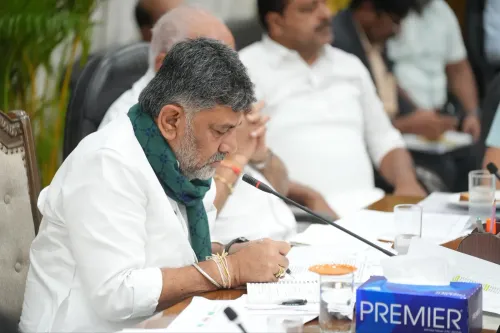
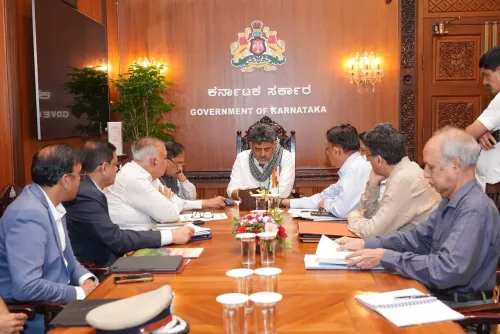
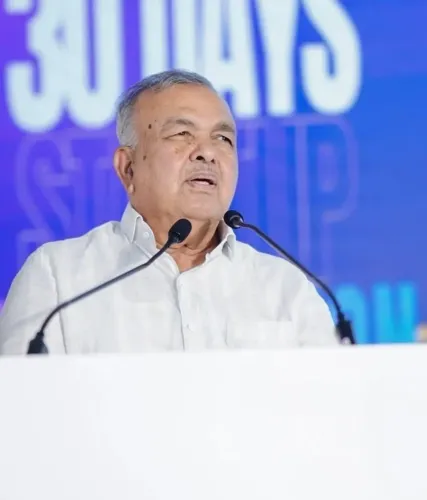
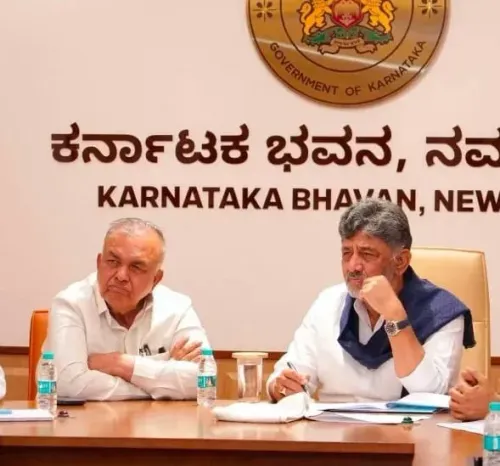
CM Siddaramaiah convened a meeting with Minister Ramalinga Reddy , the Advocate General, and legal experts in New Delhi to prepare the appeal.
The CWRC had rejected Tamil Nadu's water request twice before issuing the current order — a key plank of Karnataka's legal challenge.
Tamil Nadu CM Vijay contacted Siddaramaiah by phone and letter; Karnataka has invited him to visit and survey the Cauvery basin, with helicopter access offered.
Karnataka's appeal is anchored on a deficient monsoon this year, making mandated releases unsustainable for the state's own needs.
On returning to Bengaluru , Siddaramaiah will consult opposition leaders to build a cross-party consensus on the dispute.
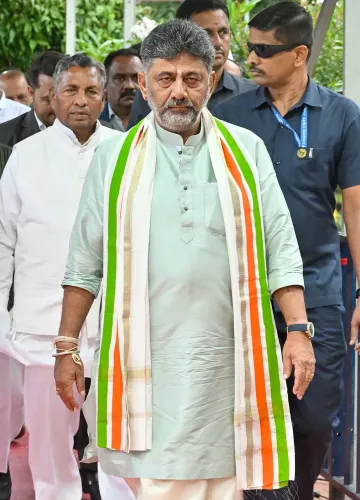
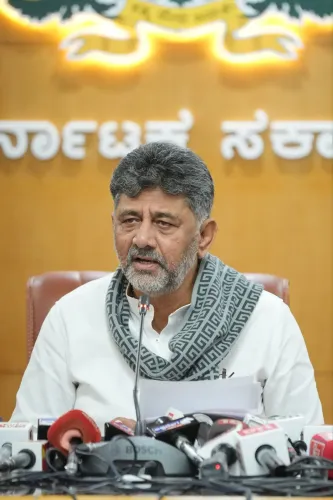
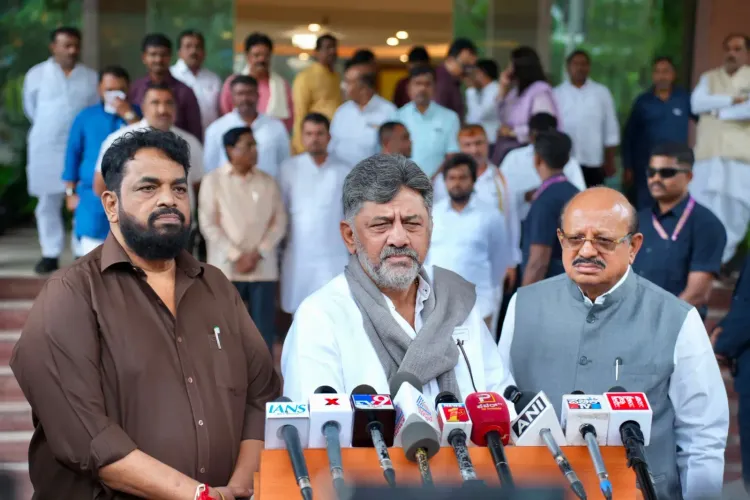
With Karnataka's reservoirs starved of rainfall and farmers watching the sky, Chief Minister Siddaramaiah on Wednesday, 29 July 2026 announced that the state will challenge the Cauvery Water Regulatory Committee (CWRC) order directing releases to Tamil Nadu — escalating the dispute to the apex Cauvery Water Management Authority (CWMA). The announcement came from Karnataka Bhavan in New Delhi, where the Chief Minister fielded press questions in Kannada.
The appeal strategy: ministers, lawyers, and a monsoon-deficit argument
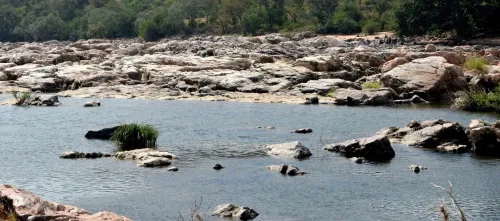
Siddaramaiah said consultations have already begun with Minister Ramalinga Reddy, the Advocate General, legal experts, and senior officials to prepare the appeal. The core of Karnataka's case rests on a simple, stark fact: 'ee baari varuNana kRupe illadiruvudarinda' — 'this time, there has been no mercy from the rain god.' A deficient monsoon, the state argues, makes the CWRC directive untenable.
Crucially, the Chief Minister noted that the CWRC had itself rejected Tamil Nadu's water request twice before issuing the current order — a procedural detail Karnataka's legal team is expected to press before the CWMA. On his return to Bengaluru, Siddaramaiah said he will also consult opposition party leaders, signalling a rare cross-party front on the water dispute.
Tamil Nadu CM Vijay's outreach — and Karnataka's pointed invitation
Even as the legal machinery gears up, diplomacy is running in parallel. Tamil Nadu Chief Minister Vijay wrote to Karnataka's Chief Secretary expressing his desire to speak with Siddaramaiah, and the two subsequently spoke by phone. Siddaramaiah's response was courteous but pointed: he invited Vijay to visit Karnataka and see the Cauvery basin's ground reality firsthand.
'We must give him the respect he deserves — come for the meeting,' Siddaramaiah said, adding that a helicopter facility will be arranged so Tamil Nadu's CM can survey the depleted catchment areas. The gesture frames Karnataka's position diplomatically: rather than refuse dialogue, the state is inviting its counterpart to witness the drought conditions that underpin its legal challenge.
A decades-long dispute enters another dry-year chapter
The Cauvery dispute has a long institutional history. The Cauvery Water Disputes Tribunal delivered its final award in 2007, allocating annual shares among Karnataka, Tamil Nadu, Kerala, and Puducherry. The Supreme Court in 2018 revised those allocations — reducing Tamil Nadu's share and increasing Karnataka's — while mandating the creation of the CWMA as the permanent oversight body. The CWRC operates under that framework, monitoring reservoir levels and issuing seasonal directives.
Karnataka and Tamil Nadu have cycled through this pattern repeatedly: a below-normal monsoon, a CWRC order, a state appeal to the CWMA, and often onward to the Supreme Court. The present episode is, in that sense, institutional muscle memory — but the political stakes are sharpened by the severity of this year's rainfall deficit and the entry of a new Tamil Nadu Chief Minister into the dispute.
The CWMA's ruling on Karnataka's appeal, and whether the proposed inter-state meeting between the two Chief Ministers actually materialises, will determine whether this round of the Cauvery conflict is resolved at the regulatory level or heads back to the courts.
Point of View
Placing the burden of awareness on the neighbouring state. The cross-party consultations Siddaramaiah plans in Bengaluru suggest the government is acutely aware that Cauvery politics cuts across party lines in Karnataka and any perception of weakness could carry electoral consequences. Whether the CWMA sides with Karnataka or upholds the CWRC order will set the tone for the rest of the water-sharing season.
NationPress
13 Sept 2026
Frequently Asked Questions
Why is Karnataka appealing the CWRC order on Cauvery water?
Karnataka is challenging the CWRC's directive to release Cauvery water to Tamil Nadu because of a severe monsoon deficit this year, which the state says makes the mandated releases unsustainable. The CWRC had also rejected Tamil Nadu's request twice before issuing the current order, a procedural point Karnataka plans to press before the CWMA.
What is the CWMA and what power does it have over the Cauvery dispute?
The Cauvery Water Management Authority (CWMA) is the apex central body created after the Supreme Court's 2018 judgment to oversee implementation of Cauvery water-sharing and hear appeals against orders issued by the CWRC. Its decisions carry significant weight and can be further challenged in the Supreme Court.
What did Tamil Nadu CM Vijay say about the Cauvery dispute?
Tamil Nadu CM Vijay wrote to Karnataka's Chief Secretary expressing his desire to discuss the issue with CM Siddaramaiah and also spoke with him by phone. Siddaramaiah invited Vijay to visit Karnataka and see the Cauvery basin's ground conditions, offering helicopter access for the survey.
What is the history behind the Cauvery water dispute between Karnataka and Tamil Nadu?
The Cauvery Water Disputes Tribunal issued its final award in 2007 allocating river water among Karnataka, Tamil Nadu, Kerala, and Puducherry. The Supreme Court revised these allocations in 2018 — reducing Tamil Nadu's share and increasing Karnataka's — and mandated the creation of the CWMA. Disputes over seasonal releases, especially in low-rainfall years, have continued since.
What happens next in Karnataka's Cauvery water appeal?
Karnataka's legal team, led by the Advocate General, will file a formal appeal before the CWMA. CM Siddaramaiah will also consult opposition leaders in Bengaluru to build a cross-party front. The CWMA's ruling on the appeal, and whether an inter-state meeting between the two Chief Ministers takes place, are the key developments to watch.