Revanth Reddy Orders 100% Treated Water Use in Data Centres
Synopsis
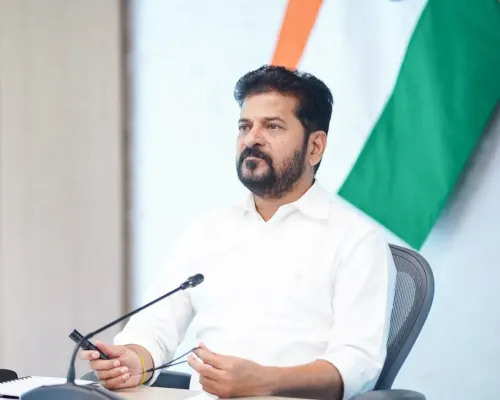
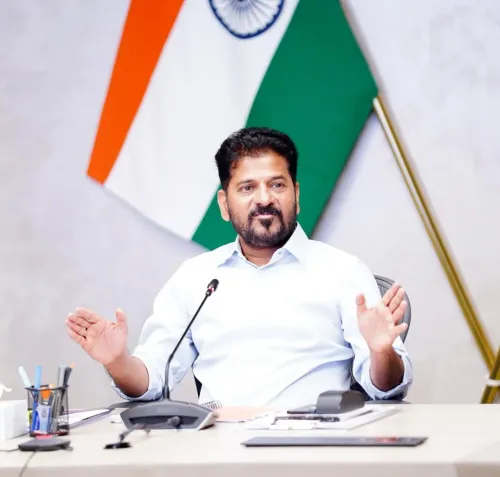
Telangana CM Revanth Reddy reviewed STP operations on 28 October 2026 and ordered 100% treated water use in data centres, government offices, parks, and construction sites, citing El Niño-linked drought risk for the state.
Key Takeaways
Revanth Reddy chaired a high-level STP and treated-water review on 28 October 2026 .
Officials directed to make 100 per cent treated water use mandatory in data centres and government offices for all non-potable needs.
El Niño climate forecasts cited as the key trigger for pre-emptive water conservation action in Telangana.
Landscaping, public parks, and building construction must switch entirely to STP-treated water supply.
Directive aims to protect uninterrupted potable water supply by reducing freshwater demand in high-consumption sectors.
The order builds on national Swachh Bharat Mission urban wastewater infrastructure goals launched in 2014.
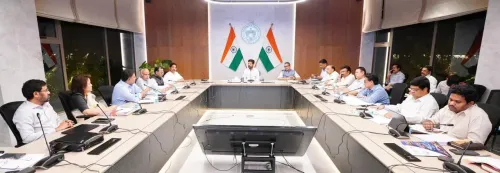
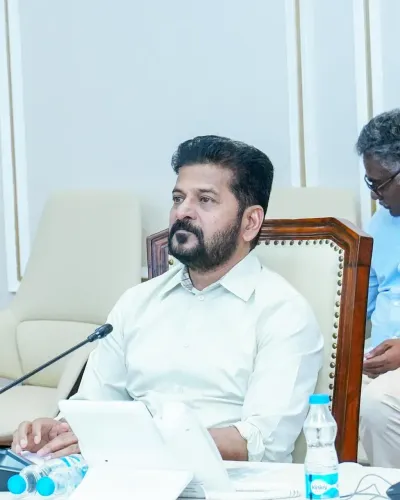
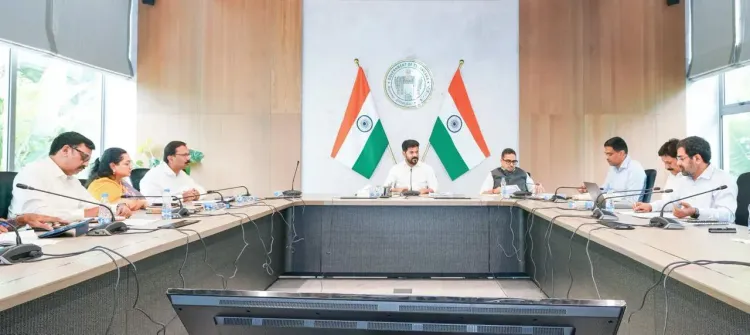
With El Niño forecasts casting a long shadow over southern India's water future, Telangana Chief Minister A. Revanth Reddy chaired a high-level review on Sewage Treatment Plants (STPs) and treated water utilisation on Wednesday, 28 October 2026, issuing a sweeping directive: data centres and government offices must shift to 100 per cent treated water for all non-potable needs — no exceptions.
The El Niño Trigger Behind the Review
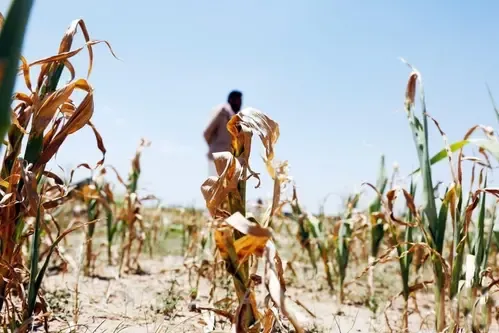
El Niño — the Pacific climate pattern that periodically chokes India's monsoons and tightens the grip of drought on rain-shadow states — sits at the heart of this directive. Telangana, whose capital Hyderabad has seen explosive urban growth since statehood in 2014, faces compounding pressure: rising water demand from a sprawling tech corridor on one side, and forecast rainfall deficits on the other. CM Revanth Reddy told senior officials that pre-emptive action now is the only way to prevent a full-blown drinking-water crisis later.
The instruction to officials was unambiguous — ensure uninterrupted potable water supply across the state while simultaneously redirecting treated wastewater away from drains and toward productive reuse. The two goals are inseparable: every litre of STP-treated water used for irrigation or cooling is a litre of freshwater saved for the tap.
Landscaping, Parks, and Construction Sites to Run on Recycled Water
Beyond the headline mandate on data centres, the CM directed officials to ensure that landscaping projects, public parks, and building construction sites use only STP-treated water. These categories collectively consume significant volumes of water in any fast-growing city, and shifting them to recycled supply would meaningfully reduce the draw on Hyderabad's reservoirs and groundwater. It is a model several other Indian states have piloted with mixed success — Telangana's push, backed by a direct CM-level order, raises the ambition of enforcement considerably.
Data Centres in the Cross-Hairs of Water Policy
The specific mention of data centres is the sharpest edge of this directive. Hyderabad has emerged as one of India's premier data centre hubs, with hyperscale facilities demanding enormous quantities of water for cooling. Mandating 100 per cent treated water for such facilities — and for government offices — transforms what has until now been a voluntary best-practice into a binding operational requirement. Officials have been instructed to put in place the mechanisms necessary to make this non-negotiable.
The policy aligns with national guidance under the Swachh Bharat Mission, launched in 2014, which directed states to build and upgrade urban sewage treatment infrastructure. Telangana now appears ready to push beyond construction toward mandated utilisation — a harder, more consequential step.
What Hyderabad's Water Future Depends On
The watch item now is whether the state government translates these review-room directives into formal government orders and tenders — particularly those requiring new data centre licences to demonstrate treated-water sourcing. Progress on STP capacity utilisation across Hyderabad and secondary cities will be the real measure of whether this review produces lasting change or remains on paper. The CM has set the direction clearly. Implementation is the test.
Point of View
A politically sensitive tech-economy constituency in Hyderabad, signals that the CM is willing to impose environmental compliance costs on the city's most powerful growth engine. Framing the order around El Niño gives it scientific credibility and insulates it from industry pushback. If the government follows through with formal orders and licensing conditions, Telangana could set a replicable national template for water-sensitive urban growth — a significant policy achievement heading into a state budget cycle where infrastructure spending will be scrutinised. The risk is the familiar one: a ministerial review that produces directives but not enforcement architecture.
NationPress
28 Oct 2026
Frequently Asked Questions
What did Telangana CM Revanth Reddy announce about water conservation?
CM Revanth Reddy directed officials on 28 October 2026 to make 100 per cent treated water use mandatory in data centres and government offices, and to ensure landscaping, public parks, and construction sites also use only STP-treated water, citing El Niño drought risk.
Why is El Niño relevant to Telangana's water supply?
El Niño is a Pacific climate pattern that often reduces monsoon rainfall over southern India, raising the risk of drought and water shortages. Telangana CM Revanth Reddy cited El Niño forecasts as the reason for pre-emptively reviewing the state's water management and treated-water reuse policies.
What are STPs and why is Telangana focusing on them?
STPs, or Sewage Treatment Plants, process urban wastewater into treated water that can be safely reused for non-potable purposes. Telangana is prioritising STP-treated water reuse to reduce pressure on freshwater sources as urban water demand grows in cities like Hyderabad.
Will Hyderabad data centres be required to use treated water?
Yes, CM Revanth Reddy has instructed officials to make 100 per cent treated water use mandatory for data centres for all applicable needs. Formal government orders and implementation mechanisms are yet to be publicly notified.
How does Telangana's treated water mandate relate to the Swachh Bharat Mission?
The Swachh Bharat Mission, launched nationally in 2014, directed states to build and upgrade sewage treatment infrastructure. Telangana's new directive moves a step further by mandating the active utilisation of that treated water in high-consumption sectors rather than simply expanding STP capacity.