CM Revanth Orders Zero Water Crisis Plan for Hyderabad
Synopsis
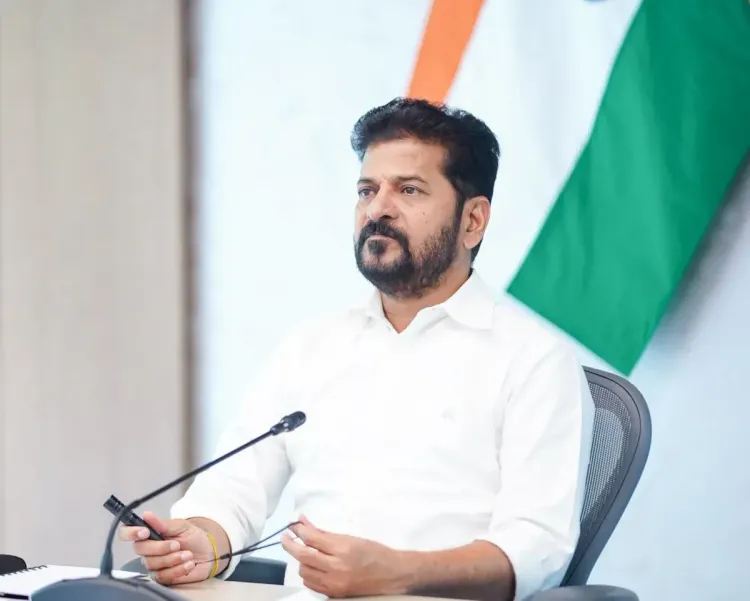
Chief Minister Revanth Anumula on October 28 ordered Hyderabad officials to ensure zero drinking-water disruption, run all STPs at full capacity against El Niño risk, mandate treated-water reuse across government buildings, data centres, and construction sites, and implement all directives by November 1.
Key Takeaways
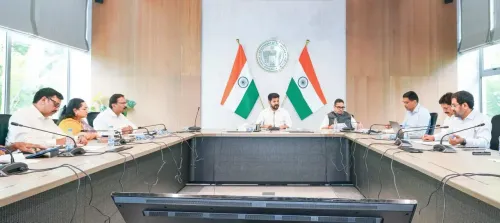
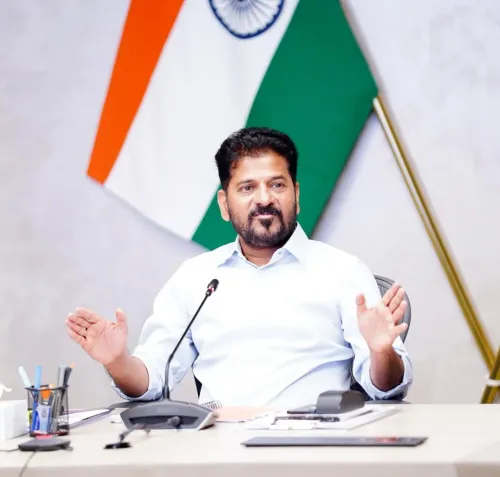
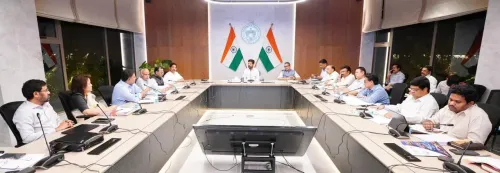
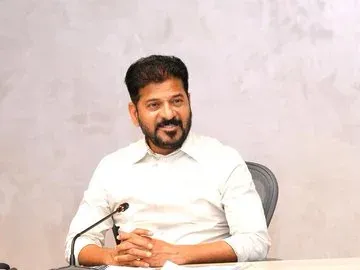
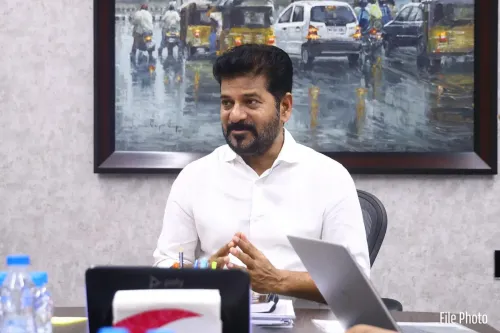
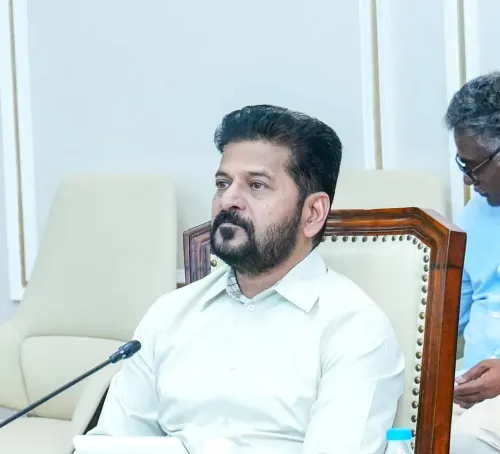
CM Revanth Anumula chaired a water-security review at MCRHRDA Bodhi Pavilion on October 28, 2026 .
All STPs in the CURE zone must operate at 100 per cent capacity to counter El Niño-driven rainfall deficits.
Treated water is now mandated for government offices, the Secretariat, CMO, Outer Ring Road corridor, Metro Rail, data centres, parks , and construction sites.
26 STPs already supply treated water via Green Water Tankers ; consumers pay only transport costs, water is free.
A command-and-control centre , dedicated STP officers, tanker-tracking system, and a toll-free number for treated water are all to be live by November 1, 2026 .
HYDRA will independently monitor all STP performance; REDCO officials directed to explore solar power for STP operations.
Hyderabad will not run dry — that is the floor Chief Minister Revanth Anumula set on Wednesday, October 28, 2026, when he chaired a high-level review at the MCRHRDA Bodhi Pavilion and ordered officials to ensure drinking-water supply to the capital never falters under any circumstances. The Chief Minister's Office of Telangana announced a sweeping set of directives covering reservoir monitoring, sewage treatment plant (STP) operations, treated-water reuse, and a hard implementation deadline of November 1.
El Niño threat drives the urgency
The backdrop is stark. El Niño-induced rainfall deficits have stretched water stress across peninsular India, and Hyderabad — a city whose population and data-centre footprint are growing at pace — cannot afford improvisation. CM Revanth directed officials to monitor reservoir storage levels continuously and to keep all STPs within the CURE (Comprehensive Urban Rejuvenation and Environment) zone running at 100 per cent capacity, explicitly citing future demand scenarios shaped by erratic monsoons.
India's urban-water playbook has been shifting steadily toward circular management: treat the wastewater, reuse it for non-potable purposes, protect the freshwater reserves. Telangana's review on Wednesday crystallises that shift into concrete orders with a named deadline.
Treated water from parks to data centres
The directives map treated water onto every non-drinking use the government can mandate. The Secretariat, the CMO, the Outer Ring Road corridor, Metro Rail offices, and other government buildings must use treated water for landscaping and non-potable needs. Public parks and road-cleaning operations must also draw only from treated supply — no fresh water for a broom or a sprinkler.
More ambitiously, data centres are now on the list of mandatory treated-water consumers, a significant signal to the technology infrastructure sector expanding rapidly around Hyderabad. The CM also ordered strict enforcement of the existing rule requiring treated water in building construction, and instructed officials to actively encourage private STPs.
REDCO (Renewable Energy Development Corporation of Odisha — here likely referring to Telangana's renewable energy arm) senior officials were directed to explore using solar power to run STPs, reducing both the operating cost and the carbon footprint of wastewater treatment.
Command-and-control infrastructure by November 1
The operational architecture CM Revanth ordered is unusually granular. Every STP will have a dedicated officer. All plants will be linked to a command-and-control centre for round-the-clock monitoring. HYDRA — the Hyderabad Disaster Response and Asset Protection Agency — will independently oversee plant performance. Tankers distributing treated water must be fitted with a tracking system, and a dedicated toll-free number will be set up for public queries on treated-water supply.
Officials from Jalmandali (the metropolitan water utility) told the review that treated water is currently being distributed from 26 STPs via Green Water Tankers, with consumers charged only a transport fee — the water itself is free.
Chief Secretary Sanjay Jaju and senior officials from all relevant departments attended the review. All orders are to be operationalised by November 1, 2026.
A water-quality guarantee with no exceptions
Cutting through the administrative detail was one unambiguous instruction: zero compromise on water quality. CM Revanth told officials to adopt the highest technical standards in water treatment and warned explicitly against any dilution of quality norms — whether in potable supply or treated reuse. The message was direct: accountability attaches to every plant, and oversight attaches to every tanker.
With a November 1 enforcement date now on the calendar, Hyderabad's water managers have days, not months, to wire up the tracking systems, assign the plant officers, and get the toll-free line live. The CM has made clear he is watching the reservoir gauges — and the results.
Point of View
Construction, and the tech sector, CM Revanth is effectively building a parallel non-potable water economy inside Hyderabad before a crisis forces his hand. The November 1 deadline injects rare administrative urgency into what is typically a slow-moving infrastructure domain. Placed within the national pattern of cities scrambling to adapt to El Niño disruptions, the directive signals that India's fastest-growing Tier-1 metros are beginning to price in water risk the way they once only priced in power risk. Whether HYDRA's oversight and the command-control framework survive the first monsoon season as functioning accountability tools — rather than dashboards nobody watches — will determine whether this review is a turning point or a press event.
NationPress
28 Oct 2026
Frequently Asked Questions
What did CM Revanth Anumula order about Hyderabad's water supply?
On October 28, 2026, CM Revanth ordered officials to ensure drinking-water supply to Hyderabad is never disrupted, to keep all STPs in the CURE zone at 100 per cent capacity, and to mandate use of treated water across government buildings, construction sites, data centres, and public spaces — all by November 1.
What is the CURE zone in Hyderabad?
CURE stands for Comprehensive Urban Rejuvenation and Environment; it is an administrative zone within the Hyderabad metropolitan region under whose purview sewage treatment plants and water-supply infrastructure are managed and reviewed.
How many STPs are currently supplying treated water in Hyderabad?
Jalmandali officials told the October 28 review that treated water is currently distributed from 26 STPs through Green Water Tankers; consumers pay only a transport fee and receive the water free of charge.
What is HYDRA and what role will it play in water management?
HYDRA is the Hyderabad Disaster Response and Asset Protection Agency; CM Revanth directed it to independently monitor the performance of all sewage treatment plants as part of the new oversight framework.
Why is El Niño relevant to Hyderabad's water planning in 2026?
El Niño patterns have caused below-normal monsoon rainfall across parts of India, increasing the risk of reservoir depletion. CM Revanth cited El Niño conditions as a key reason to run STPs at full capacity and accelerate treated-water reuse to protect freshwater reserves.