Political Tension Escalates in Madhya Pradesh Over Women's Reservation Bill Defeat
Synopsis
The political atmosphere in Madhya Pradesh has heated up as the BJP and Congress clash over the defeat of the women's reservation bill. Both parties blame each other for undermining women's empowerment, sparking a critical debate that is likely to influence upcoming elections.
Key Takeaways
Political Tensions: The BJP and Congress are engaged in a fierce exchange over the women's reservation bill.
Legislative Delay: Congress accuses BJP of attempting to delay women's reservation implementation.
Historical Context: The Congress party cites past initiatives for women's representation.
Gender Justice: The BJP positions the bill as a step towards gender justice.
Future Implications: This issue is likely to influence the political landscape in upcoming elections.
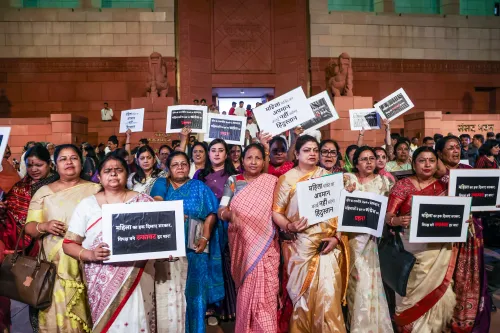
Bhopal, April 20 (NationPress) The political climate in Madhya Pradesh intensified on Monday as the Congress and BJP engaged in a heated exchange following the rejection of the women’s reservation Constitutional Amendment Bill in the Lok Sabha. Both parties accused one another of compromising women’s empowerment.
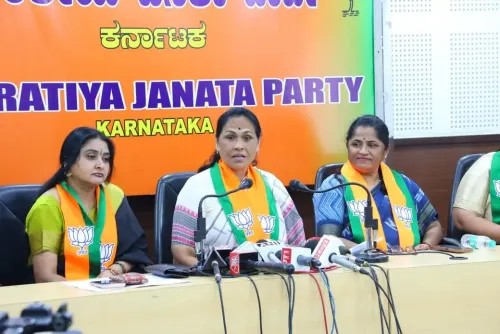
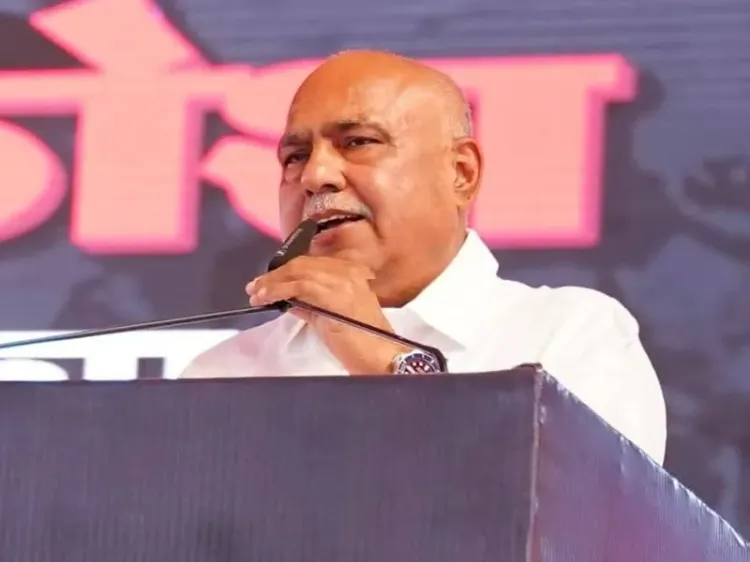
During a press briefing in Bhopal, Congress leader Shobha Oza launched a vigorous critique against the BJP-led government, alleging that the proposed legislation was intended to delay its implementation by tying it to delimitation and census activities.
She argued that the opposition’s resistance was focused on maintaining the constitutional spirit and guaranteeing immediate rights for women.
“This is not a setback, but a triumph for democracy. The attempt to exploit women’s reservation for political advantage has been brought to light,” Oza asserted.
Referring to the voting results, she pointed out that from 528 votes in the Lok Sabha, 298 were in favor of the Bill while 230 opposed it, leading to its failure. She emphasized that the Congress firmly supports women’s reservation and had previously endorsed the ‘Nari Shakti Vandan Adhiniyam’, but opposed the current amendment due to its delaying tactics.
Oza maintained that reservation could be initiated immediately within the current 543 Lok Sabha seats without awaiting delimitation. She also called for a sub-quota for OBC women and insisted on separating reservation from census-related processes.
Highlighting the Congress party’s history, she mentioned initiatives under Rajiv Gandhi and subsequent reforms by P.V. Narasimha Rao that institutionalized women’s reservation in local governance, stating that these actions laid the groundwork for grassroots representation.
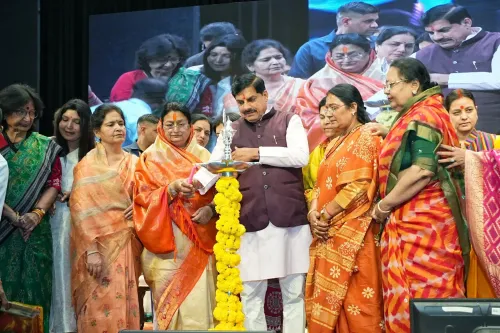
Meanwhile, the ruling BJP conducted a “Jan-Aakrosh Mahila Padyatra” in Bhopal, led by Chief Minister Mohan Yadav and state BJP president Hemant Khandelwal, alongside numerous women leaders on that day.
BJP representatives accused the Congress of “hindering a groundbreaking opportunity” for women, claiming that the opposition’s position deprived women of constitutionally guaranteed representation. They asserted that the Bill aimed to implement reservation starting from the 2029 general elections, marking a vital move towards gender justice.
The BJP further alleged that the Congress was trying to sow confusion among the populace while failing to enact women’s reservation during its tenure in power.
This intense exchange has thrust the issue of women’s reservation back into the political arena, with each party vying to be seen as the champion of women’s rights. As discussions continue, this topic is poised to remain a significant point of contention in the lead-up to future elections, influencing political narratives within the state and beyond.
Point of View
Yet their actions suggest a deeper political maneuvering. The rejection of the women's reservation bill underscores the complexities of legislative processes and the challenges faced in achieving gender justice.
NationPress
18 Sept 2026
Frequently Asked Questions
What was the outcome of the women's reservation bill in Lok Sabha?
The women's reservation Constitutional Amendment Bill was rejected in Lok Sabha, with 298 votes in favor and 230 against it.
What are the main arguments from Congress regarding the bill's defeat?
Congress leaders argue that the BJP's proposed law aimed to delay women's reservation by linking it to delimitation and census exercises, undermining women's empowerment.
What does the BJP claim about the women's reservation bill?
The BJP claims that the defeat of the bill represents a missed opportunity for women and that it aimed to implement reservation starting from the 2029 general elections.
What initiatives have historically supported women's reservation in India?
Historical initiatives supporting women's reservation include actions taken under leaders like Rajiv Gandhi and reforms by P.V. Narasimha Rao that established reservation in local bodies.
How might this political clash affect future elections?
The ongoing debate over women's reservation is expected to remain a key issue in upcoming elections, influencing political narratives and party positions on women's rights.