South Korea's Business Sentiment for March Shows First Positive Shift in Four Years Driven by Strong Exports
Synopsis
South Korea has experienced a notable shift in business sentiment for March, the first in four years, primarily due to strong exports in the chip and automobile sectors. This positive change is reflected in the Business Survey Index, signaling potential growth opportunities.
Key Takeaways
South Korea's business sentiment for March has turned positive.
The BSI stands at 102.7, indicating more optimists than pessimists.
The manufacturing sector's outlook has significantly improved.
Producer prices rose for the fifth consecutive month in January.
Government action is crucial to sustain this positive trend.
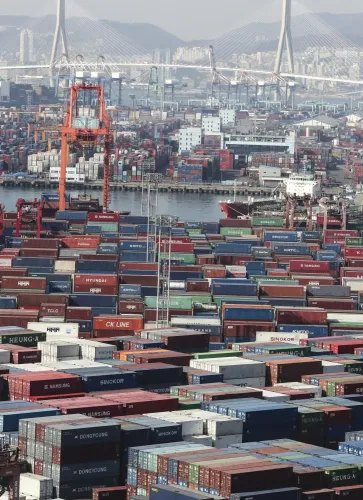
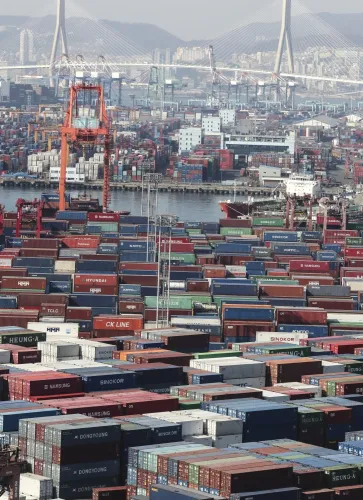
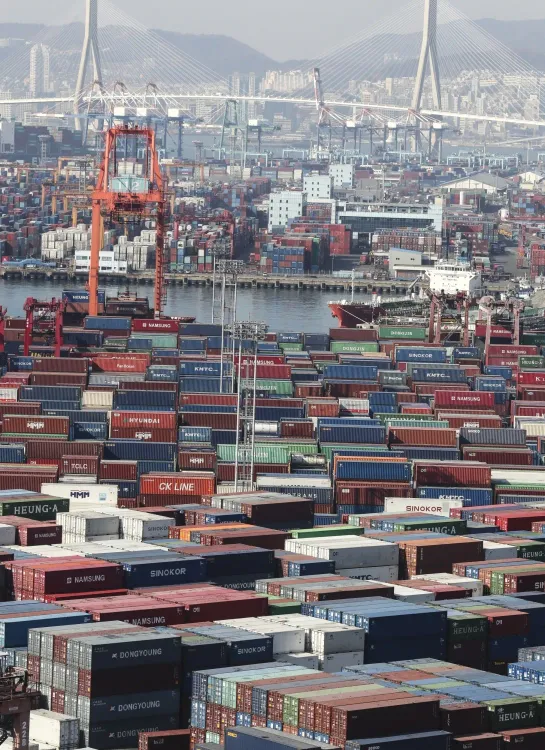
Seoul, Feb 24 (NationPress) The business climate in South Korea has shown a positive shift for March, marking its first resurgence in four years, driven by the nation’s strong exports of chips and vehicles, according to a recent poll.
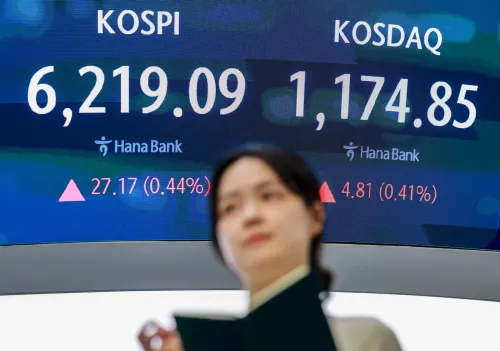
The Business Survey Index (BSI) for the top 600 companies in the country, based on sales, registered at 102.7 for the upcoming month, as reported by the Federation of Korean Industries (FKI) and covered by the Yonhap news agency.
An index reading below 100 indicates that pessimists outnumber optimists, while a figure above this benchmark reflects the opposite sentiment. The index had been below the benchmark for 47 consecutive months up to February.
For the manufacturing sector, the BSI outlook climbed to 105.9 for March, a significant rise from 88.1 in February, marking its highest level since the 108.6 recorded in May 2021.
Within the manufacturing sector, the machinery industry achieved a score of 128.6, while the electronics and telecommunication equipment sector reported 113.3.
Conversely, the BSI outlook for the non-manufacturing sector stood at 99.4, indicating continued pessimism.
“The uptick in business sentiment, previously hindered by an ongoing economic slowdown, is noteworthy,” commented Lee Sang-ho, the head of the federation's economic and industrial division, in the report.
“The National Assembly and the government must work to sustain this momentum to foster business revitalization through regulatory reforms, ensuring that this improvement is not merely a fleeting rebound,” Lee emphasized.
Additionally, South Korea's producer prices saw an increase for the fifth month in a row in January, attributed to a rise in semiconductor prices and higher agricultural expenses, as indicated by central bank data released on Tuesday.
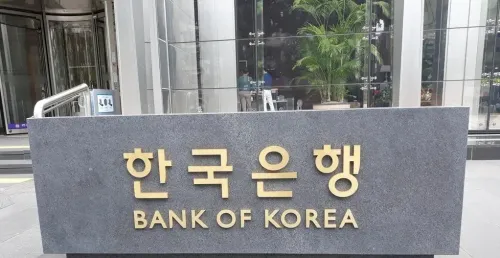
The Producer Price Index (PPI), a crucial measure for future consumer inflation, rose by 0.6 percent month-over-month to 122.50 in January, up from a 0.4 percent increase in December, based on preliminary data from the Bank of Korea (BOK).
Since September, the index has shown a steady increase, rising by 0.4 percent that month and 0.3 percent in both October and November.
Year-on-year, producer prices rose by 1.9 percent in January.
Producer prices are a vital indicator of future inflation trends, influencing the prices that businesses will charge consumers in the upcoming months.
Point of View
It’s evident that the recent positive shift in South Korea's business sentiment could signify a turning point for the economy. The government's active role in fostering this momentum through regulatory reforms will be crucial to ensure that this improvement is sustained.
NationPress
1 Oct 2026
Frequently Asked Questions
What is the Business Survey Index (BSI)?
The Business Survey Index (BSI) measures the business sentiment of companies, indicating whether optimists or pessimists dominate the outlook.
What factors contributed to the positive shift in business sentiment?
The positive shift is mainly attributed to strong exports in the semiconductor and automobile sectors.
How long had the BSI been below the benchmark before this change?
The BSI had remained below the benchmark for 47 consecutive months up to February.
What is the significance of the Producer Price Index (PPI)?
The Producer Price Index (PPI) is a key indicator of future consumer inflation and reflects changes in the prices producers receive for their goods.
What actions are needed to sustain the positive momentum in business sentiment?
Regulatory reforms and efforts from the government and National Assembly are essential to maintain and build on this positive momentum.