Is Business Sentiment Declining in January Due to Non-Manufacturing Weakness?
Synopsis
January's business sentiment in South Korea has seen a slight decline. This is despite strong export performance, primarily due to weakening in the non-manufacturing sector. Discover how seasonal effects have influenced this shift and what it means for the economy.
Key Takeaways
Composite Business Sentiment Index shows a slight decline.
Non-manufacturing sector sentiment worsens.
Manufacturers see a sentiment increase.
External events significantly impact retail sales.
Investors remain optimistic despite tariff uncertainties.
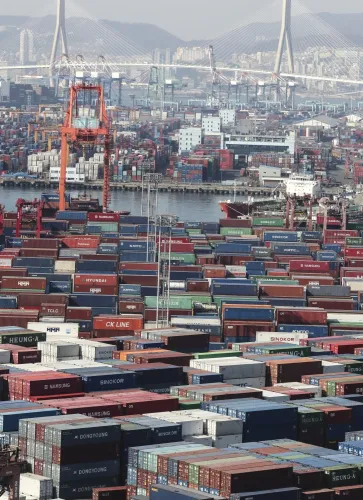
Seoul, Jan 27 (NationPress) The business outlook in South Korea experienced a slight decline in January, despite robust export figures. This downturn is largely attributed to a weakening sentiment within the non-manufacturing sector, following the end of year-end base effects, as revealed by a central bank survey on Tuesday.
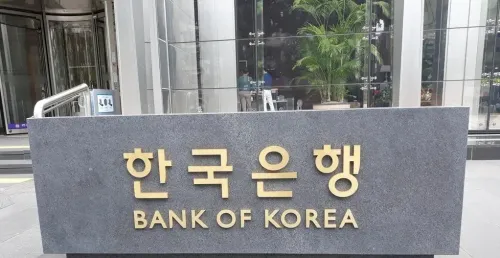
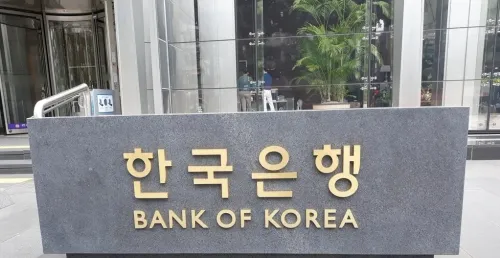
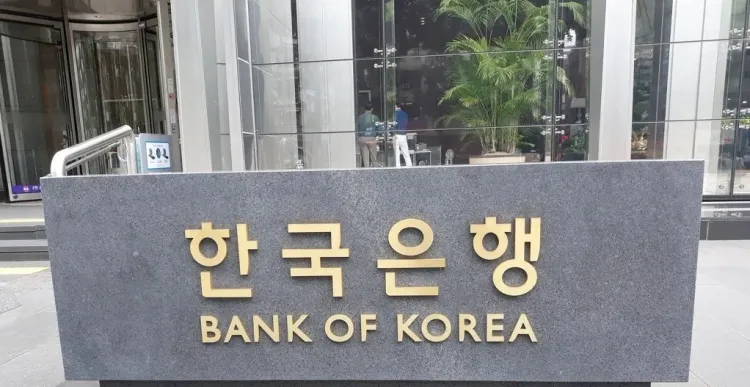
The Composite Business Sentiment Index (CBSI) across all sectors registered at 94 this month, reflecting a decrease of 0.2 points compared to December, according to the Bank of Korea (BOK) survey reported by Yonhap news agency.
Previously, the index had climbed for two consecutive months, peaking at 94.2 in December, which was its highest since July 2024, before retracting in January.
The index for non-manufacturers dropped by 2.1 points to reach 91.7, whereas the index for manufacturers increased by 2.8 points to 97.5.
A value below 100 indicates that pessimists outnumber optimists.
A BOK representative noted, “While manufacturers showed improved sentiment due to higher exports, the non-manufacturing sector saw a decline influenced by the waning of seasonal year-end factors.”
In December, factors such as Black Friday promotions and an influx of Chinese tourists during the winter holidays significantly boosted retail sales and non-manufacturing activities, the official added.
The survey, conducted earlier this month, encompassed 3,255 firms, including 1,815 in manufacturing.
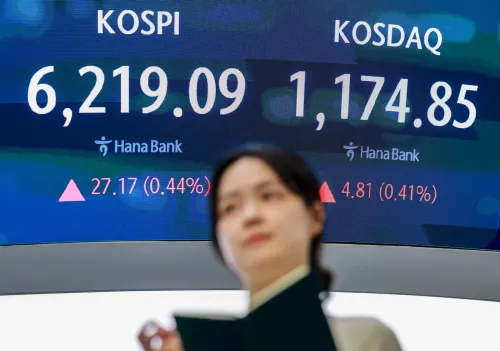
In financial markets, South Korean stocks surged in late morning trading despite U.S. President Donald Trump's announcement regarding potential tariff increases on Korean imports, particularly automobiles.
After starting lower, the Korea Composite Stock Price Index (KOSPI) climbed by 67.56 points, or 1.36 percent, reaching 5,017.15 as of 11:20 a.m.
Trump stated in a social media post that he plans to raise “reciprocal” tariffs and auto tariffs on South Korea from 15 percent to 25 percent, citing that the South Korean legislature has not yet finalized a domestic process to enact a bilateral trade agreement.
Despite the renewed uncertainties regarding tariffs, investors appeared unfazed, anticipating that this would be a temporary disruption rather than a precursor to a long-term downturn. Tech stocks led the upward movement in the market.
Point of View
It is essential to recognize the fluctuations in business sentiment as reflections of broader economic trends. While the manufacturing sector shows resilience, the challenges faced by non-manufacturers highlight areas needing careful attention. The nation must adapt to these changes to ensure sustainable growth.
NationPress
23 Sept 2026
Frequently Asked Questions
What caused the decline in business sentiment in January?
The decline is attributed to a weakening sentiment in the non-manufacturing sector, influenced by the end of year-end seasonal effects.
What is the Composite Business Sentiment Index (CBSI)?
The CBSI is an index that measures the sentiment of businesses across various sectors, indicating whether there are more optimists or pessimists in the market.
How did the manufacturing and non-manufacturing sectors perform?
In January, the non-manufacturing index fell to 91.7, while the manufacturing index rose to 97.5.
What external factors influenced retail sales in December?
Promotions like Black Friday and an increase in Chinese tourists during the winter holidays significantly boosted retail sales.
How are South Korean stocks reacting to tariff threats?
South Korean stocks surged despite Trump's tariff threats, indicating investor confidence that this will be a short-term issue.