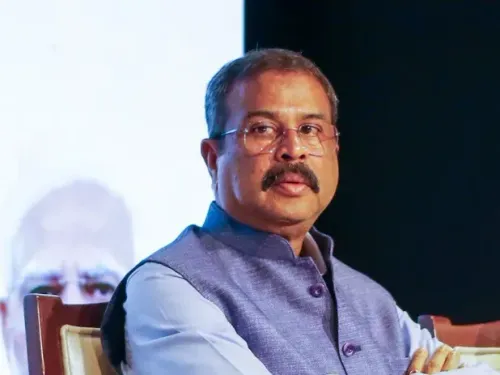
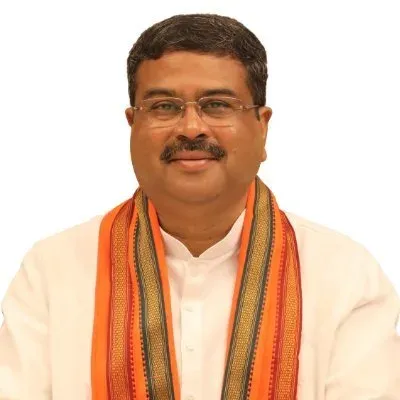
Dharmendra Pradhan resigns as Education Minister amid NEET row, BJP credits NEP legacy
Synopsis
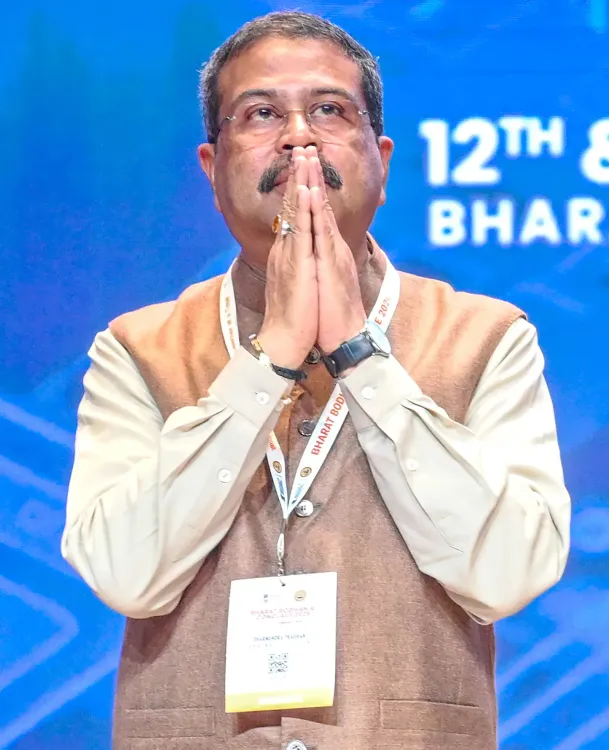
Dharmendra Pradhan's resignation as Union Education Minister is as much a political signal as a personal one — the BJP is absorbing accountability pressure over the NEET paper-leak row by sacrificing a senior cabinet minister who otherwise oversaw the landmark NEP 2020 rollout and over 100 education reforms. The exit underscores how deeply the exam controversy has rattled public trust in India's national testing architecture.
Key Takeaways
Dharmendra Pradhan resigned as Union Education Minister on 25 July , citing the turmoil of the preceding 10 days over exam irregularities.
Pradhan said his resignation was aimed at preventing 'anti-national forces' from exploiting the situation and protecting students from legal complications.
BJP National General Secretary B.L.
Santhosh credited Pradhan with implementing NEP 2020 and introducing over 100 education reforms.
Nationwide protests over alleged paper leaks in competitive examinations, including demonstrations at Jantar Mantar , preceded the resignation.
No successor has been named; the education portfolio is expected to be managed at the Centre's discretion until a new appointment is made.
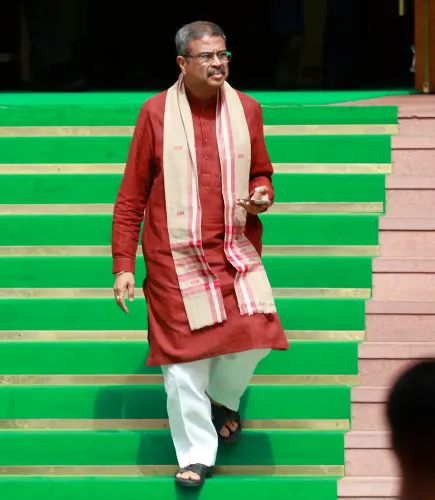
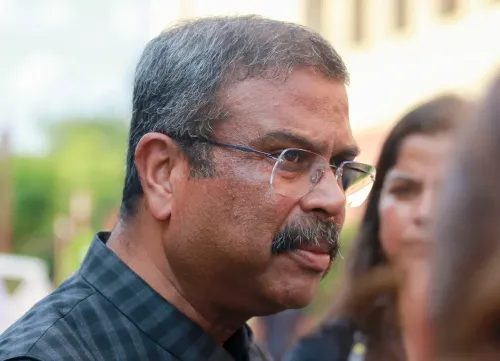
Union Education Minister Dharmendra Pradhan submitted his resignation on Saturday, 25 July, citing the turmoil of the preceding 10 days over examination irregularities and his resolve to prevent 'anti-national forces' from exploiting the controversy. The move came as nationwide protests intensified over alleged paper leaks in competitive examinations, with Pradhan framing his exit as an act of accountability to protect students' futures.
Why Pradhan Resigned
In his resignation letter, Pradhan invoked over four decades of commitment to students, teachers, and educational reform. 'I am pained by the events of the past ten days. This is not a matter of personal prestige for me,' he wrote. He cited the situation at Jantar Mantar and across the country, stating his decision was aimed at preserving national unity, preventing legal complications for students, and allowing young Indians to focus on their studies and careers.
Pradhan also expressed gratitude to Prime Minister Narendra Modi for the opportunity to serve, reaffirming his moral commitment to the aspirations of India's youth. 'They are not merely India's future; they are the torchbearers, builders, and architects of a new and developed India,' he said in his letter.
BJP Credits Pradhan's Education Record
Bharatiya Janata Party (BJP) National General Secretary (Organisation) B.L. Santhosh credited Pradhan with a substantial policy legacy, saying he 'successfully oversaw the implementation of NEP 2020' and introduced 'more than 100 big and small reforms in the education field' during his tenure. Santhosh added, 'He had to resign keeping larger social interests in mind. We all are confident of successful future days for him.'
The Exam Controversy Behind the Exit
Pradhan's resignation follows sustained public anger over irregularities in national competitive examinations, with students and opposition parties demanding accountability. Protests at Jantar Mantar in New Delhi and in several other cities called for strict action against those responsible for alleged paper leaks. This is among the most significant political resignations in the education sector in recent years, underscoring the pressure on the government to demonstrate responsiveness to student grievances.
What Comes Next
No immediate successor has been named, and the portfolio is expected to be managed at the Centre's discretion until a new appointment is announced. The controversy over examination integrity is likely to remain a flashpoint, with opposition parties signalling continued pressure on the government. How the Centre handles the institutional response to the paper-leak allegations will be closely watched by students, educators, and civil society alike.
Point of View
Not a spontaneous act of conscience. The BJP is absorbing the heat of the NEET paper-leak crisis by letting a senior minister walk, while simultaneously insulating the party's broader education narrative by loudly crediting him with NEP 2020. What this does not resolve is the institutional question: who failed the students, and how will the examination system be structurally fixed? A ministerial exit, without credible reform of the testing architecture, risks being seen as optics management rather than accountability. The protests at Jantar Mantar will not end with a resignation letter.
NationPress
24 Oct 2026
Frequently Asked Questions
Why did Dharmendra Pradhan resign as Education Minister?
Pradhan resigned on 25 July, stating he was pained by developments over the preceding 10 days related to examination irregularities. He said his decision was aimed at preventing anti-national forces from exploiting the controversy, preserving national unity, and ensuring students' futures were not entangled in legal complexities.
What is the NEET paper-leak controversy?
The controversy refers to alleged irregularities and paper leaks in national competitive examinations, which triggered widespread protests across India, including demonstrations at Jantar Mantar in New Delhi. Students and opposition parties demanded strict accountability from the government.
What education reforms did Dharmendra Pradhan oversee?
According to BJP National General Secretary B.L. Santhosh, Pradhan successfully implemented the National Education Policy (NEP) 2020 and introduced over 100 big and small reforms in the education sector during his tenure as Union Education Minister.
Who will replace Dharmendra Pradhan as Education Minister?
No successor has been officially named following Pradhan's resignation. The education portfolio is expected to be managed at the Centre's discretion until a new appointment is announced.
What did Pradhan say in his resignation letter?
Pradhan reaffirmed his four-decade commitment to students and education, expressed gratitude to Prime Minister Narendra Modi, and stated that his resignation was not a matter of personal prestige but a step to protect students and national unity amid the ongoing exam controversy.