Is Raising Issues in Parliament Just Drama? Priyanka Gandhi Thinks Not
Synopsis
In a passionate address during the Winter Session, Congress MP Priyanka Gandhi Vadra asserts that discussing pressing public issues in Parliament is vital for democracy, countering claims of 'drama' in political discourse. The session is marked by intense opposition protests over electoral concerns, highlighting the urgency of public debate.
Key Takeaways
Raising public concerns in Parliament is essential for democracy.
Pollution and electoral integrity are critical issues that need discussion.
Opposition protests reflect the urgency of addressing voter rights.
Political dialogue should not be dismissed as mere drama.
Effective governance requires transparency and accountability.
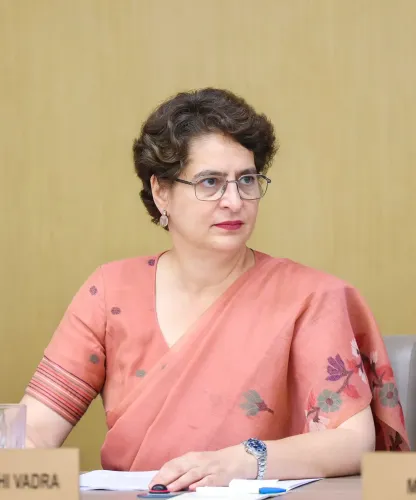
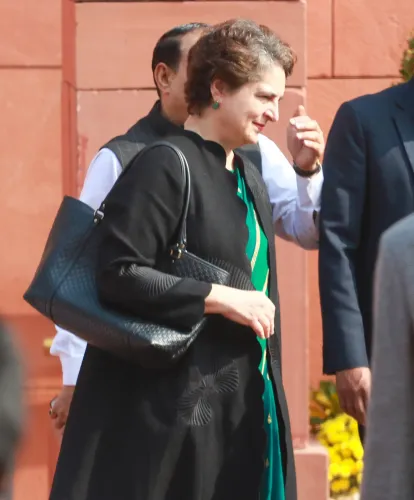
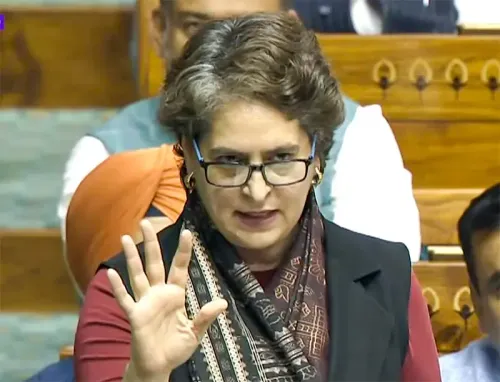
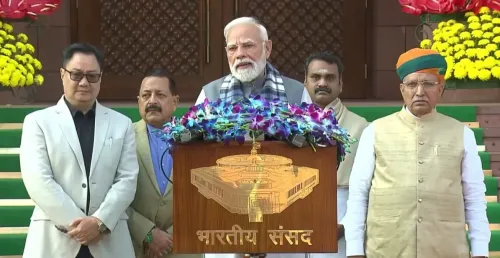
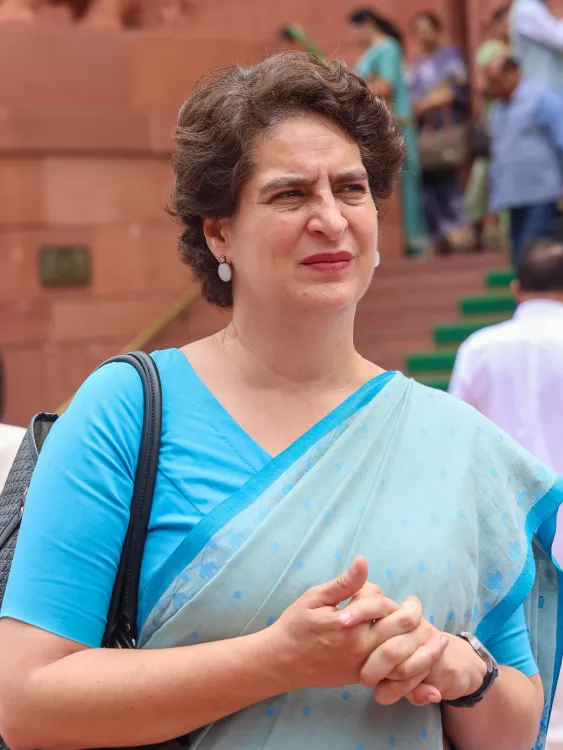
New Delhi, Dec 1 (NationPress) During the Winter Session of Parliament, which saw intense debates over the Special Intensive Revision (SIR) of electoral rolls, Congress MP Priyanka Gandhi Vadra articulated that voicing public issues in Parliament should not be dismissed as “drama”.
In response to comments made during the session, she emphasized that pressing matters such as pollution and the SIR initiative are vital for a healthy democracy and deserve open dialogue in Parliament.
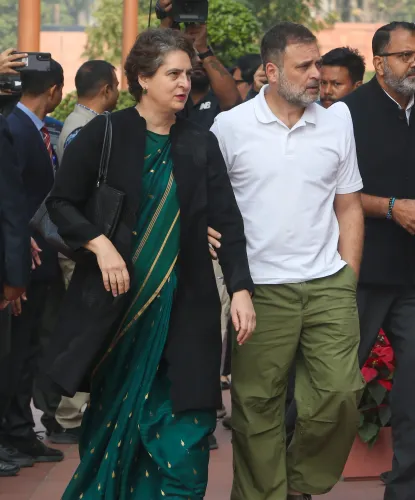
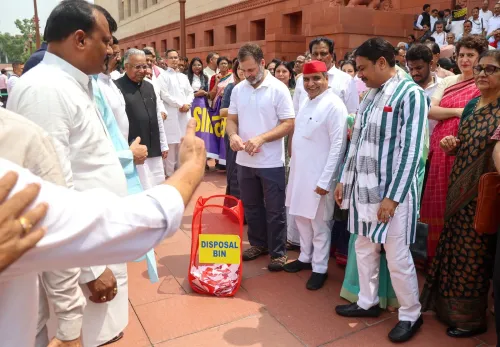
While addressing the media outside Parliament, Priyanka Gandhi stated, “Critical issues like pollution, the SIR process, and other significant topics are essential for democracy. Whether it pertains to the electoral landscape or the SIR, these are pivotal matters. What purpose does Parliament serve if not to discuss them? The government should facilitate a discussion. Addressing issues or raising inquiries is not drama.”
She further criticized the government, asserting, “The real drama is in preventing a discussion. Drama is evading democratic discourse on issues that concern the populace. We talked about pollution—why shouldn’t that be brought up? I requested time during Zero Hour. Why are we being denied the opportunity to discuss it?”
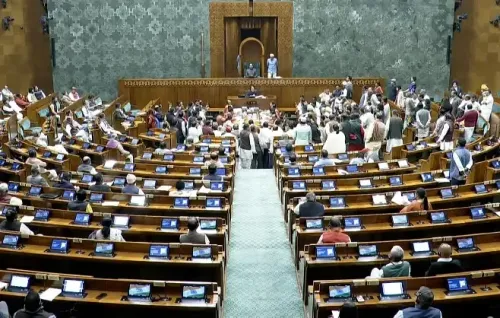
In the meantime, the Winter Session of the Lok Sabha was once again disrupted as opposition MPs protested against alleged “vote chori” in recent elections and the ongoing SIR process affecting 12 states and union territories. This protest led to the second adjournment of the day, which was scheduled until 2 p.m.
After a brief and chaotic session from 11 a.m., the House reconvened at noon. Within minutes, opposition MPs surged into the Well, chanting slogans like 'Vote Chor, Gaddi Chhor!' and holding placards demanding an immediate discussion on what they termed a “conspiracy to eliminate legitimate voters” through the SIR exercise.
Deputy Speaker Sandhya Rai, who was overseeing the proceedings, repeatedly urged the members to return to their seats. She assured the House that none of the over 20 adjournment motion notices submitted by the opposition had been dismissed by the Speaker and that these matters could be addressed if the House functioned properly.
However, her pleas fell on deaf ears amidst the ongoing tumult. Before the protests drowned out all proceedings, the Lok Sabha managed to accomplish some routine yet important tasks. Ministers Gajendra Singh Shekhawat, Arjun Ram Meghwal, Pankaj Chaudhary, and Kirti Vardhan Singh presented documents on behalf of their respective ministries.
The House, which reconvened at noon following a brief earlier adjournment, saw opposition members storming the Well of the House within minutes, raising slogans of “Vote chor, gaddi chhor!” and showcasing placards demanding an urgent debate on what they characterized as a “conspiracy to erase genuine voters”.
Point of View
It's crucial to recognize the significance of public discourse in Parliament. Priyanka Gandhi's remarks resonate with the broader democratic principle that elected representatives should voice the concerns of their constituents. The ongoing protests highlight a critical juncture in our political landscape where transparency and accountability are paramount.
NationPress
18 Oct 2026
Frequently Asked Questions
What is the Special Intensive Revision (SIR)?
The Special Intensive Revision (SIR) is a process related to updating electoral rolls, ensuring that the voter list is accurate and includes eligible voters.
Why is pollution a key issue in Parliament?
Pollution is a pressing public concern that affects health and the environment, making it a crucial topic for legislative discussion and action.
What was the response of the opposition MPs during the session?
Opposition MPs protested vocally against alleged electoral fraud and demanded a debate on the SIR process, claiming it threatens genuine voters.
What does Priyanka Gandhi mean by 'drama' in this context?
She argues that dismissing serious discussions as 'drama' undermines the democratic process and the importance of addressing public issues.
How does this event reflect on the current political climate?
It highlights tensions between the government and opposition, emphasizing the need for open debate on significant issues affecting citizens.