Punjab minister flags Canadian work permit crisis hitting 1,500 Punjabi students

Synopsis
Around 1,500 Punjabi students who spent up to ₹20 lakh each to study in Canada are now stranded after mass post-study work permit refusals. Punjab's NRI Affairs Minister has written to External Affairs Minister Jaishankar seeking diplomatic intervention — and floated the idea of state-funded common legal representation in Canadian federal courts.
Key Takeaways
Punjab NRI Affairs Minister Ravjot Singh raised the issue on 7 August after addressing the state Assembly in Chandigarh .
Nearly 1,500 Punjabi students in Canada have been affected by large-scale post-study work permit refusals.
Each student reportedly spent close to ₹20 lakh to pursue a two-year academic programme in Canada.
Singh has written to Union External Affairs Minister S.
Jaishankar urging diplomatic intervention with the Canadian government.
Affected students have already initiated legal proceedings before the Federal Court of Canada .
The Punjab government is exploring the possibility of arranging common legal representation for impacted students.
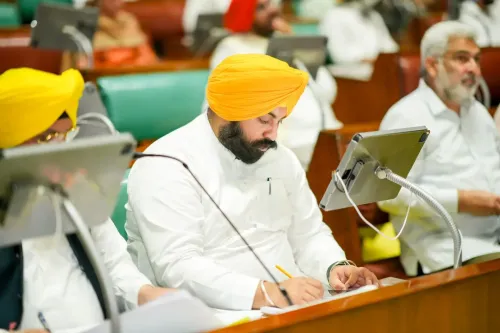
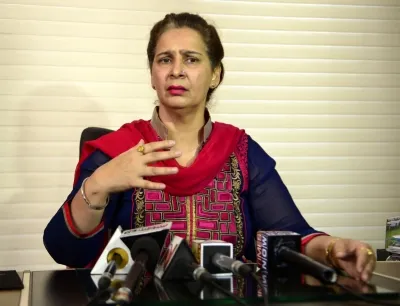
Punjab NRI Affairs Minister Ravjot Singh on Friday, 7 August raised alarm over the large-scale refusal of post-study work permits affecting nearly 1,500 Punjabi students in Canada, stating that the Bhagwant Mann-led state government is actively working to protect their interests. The minister made the remarks in Chandigarh after addressing the state Assembly.
Scale of the Crisis
Singh said approximately 1,500 students have been directly impacted by the ongoing work permit refusals. Each of these students reportedly spent close to ₹20 lakh to pursue a two-year academic programme in Canada, having been assured at the time of admission that they would qualify for post-study work permits upon completion. The mass refusals have since left many facing what Singh described as 'severe mental, financial and legal hardships.'
Centre Urged to Act Through Diplomatic Channels
The minister confirmed he has written to Union External Affairs Minister S. Jaishankar seeking an urgent appointment to discuss the matter. In the letter, Singh urged the Government of India to raise the issue with the Canadian government through formal diplomatic channels so that timely relief can be provided to the affected students. The appeal signals that the Punjab government views this as a matter requiring intervention at the national level.
Legal Proceedings and State Support
Singh noted that a significant number of affected students have already filed cases before the Federal Court of Canada. He indicated that the Punjab government is considering facilitating common legal representation for the students by engaging appropriate legal counsel, should the situation demand it. 'If required, the Punjab government will also explore the possibility of facilitating common legal representation for the affected students by engaging appropriate legal counsel,' he said.
Call to Punjabi-Origin MPs in Canada
The minister also appealed to Members of Parliament of Punjabi origin in Canada to set aside political differences and collectively raise this as a humanitarian issue before the Canadian government. Singh said many students have approached him directly for help, and assured that the state government is listening to their concerns 'with utmost sensitivity.'
With legal battles already underway in Canadian courts and diplomatic outreach initiated, the coming weeks will be critical in determining whether the affected students receive relief before their legal status in Canada is further jeopardised.
Point of View
500 students, ₹20 lakh apiece, legal proceedings already underway — points to a systemic failure in how Canadian immigration policy shifts are communicated to prospective international students, and how Indian state governments monitor those risks. Punjab's move to approach External Affairs Minister Jaishankar is symbolically significant but limited in leverage: immigration is a Canadian sovereign matter, and India's diplomatic options are narrow. The more telling detail is the suggestion of state-funded common legal representation, which, if it materialises, would be an unusual and precedent-setting intervention. The broader question mainstream coverage is missing: why were students not warned about shifting Canadian work permit norms before they committed ₹20 lakh each?
NationPress
22 Sept 2026
Frequently Asked Questions
Why are Punjabi students in Canada being denied post-study work permits?
According to Punjab NRI Affairs Minister Ravjot Singh, students who enrolled in two-year academic programmes in Canada were assured of post-study work permit eligibility upon completion, but have since faced large-scale refusals. The precise policy basis for the refusals has not been detailed by Canadian authorities in the available information.
How many students are affected by the Canada work permit refusals?
Approximately 1,500 Punjabi students in Canada have been affected, according to Minister Ravjot Singh. Each student reportedly invested close to ₹20 lakh to pursue their studies there.
What has the Punjab government done to help the affected students?
Minister Ravjot Singh has written to External Affairs Minister S. Jaishankar seeking an urgent appointment and urging the Centre to raise the matter with Canada through diplomatic channels. The state government is also exploring the possibility of arranging common legal representation for students who have filed cases in the Federal Court of Canada.
Have the students taken any legal action?
Yes, a significant number of affected students have already initiated legal proceedings before the Federal Court of Canada. The Punjab government has said it may facilitate collective legal representation if needed.
What did Minister Ravjot Singh ask of Punjabi-origin MPs in Canada?
Singh appealed to Members of Parliament of Punjabi origin in Canada to rise above political affiliations and collectively raise this as a humanitarian issue before the Canadian government.