Punjab shutdown today over Sikh prisoners' release, partial impact reported
Synopsis
A statewide Punjab shutdown on 21 August, backed by the SGPC, Waris Punjab De, and farmer organisations, brought partial disruption as Sikh groups demanded the release of inmates who have completed their sentences. The call follows a baton-and-teargas crackdown on marchers at the Mohali border on Independence Day — sharpening what was already a politically charged agitation.
Key Takeaways
A statewide Punjab bandh was observed on 21 August till 2 pm , demanding release of Sikh inmates who have completed their prison terms.
The SGPC , Shiromani Akali Dal (Amritsar) , Waris Punjab De , and farmer organisations backed the shutdown call.
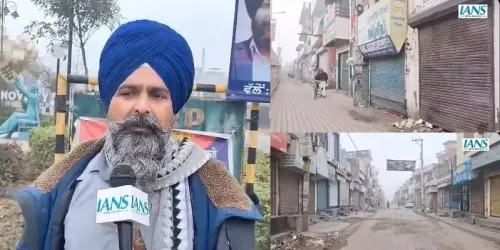
Impact was partial; private buses, markets, and commercial establishments in several cities remained shut, while government institutions functioned normally.
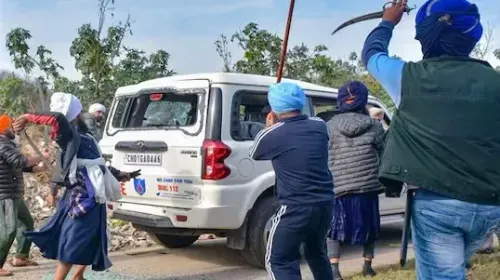
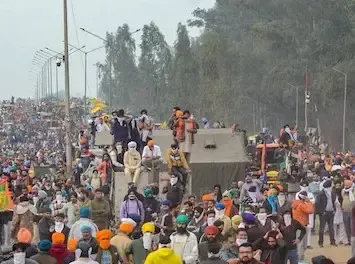
The shutdown follows a 15 August crackdown at the Mohali border , where security forces used batons, tear gas, and water cannons on protesters.
Protesters also sought parole for Jagtar Singh Hawara , serving a life sentence in the 1995 assassination of Chief Minister Beant Singh .
No violence was reported as of early afternoon, according to senior police officials.
Several Sikh religious and political organisations enforced a statewide shutdown across Punjab on Friday, 21 August, demanding the release of Sikh inmates who have completed their prison sentences. The bandh, observed till 2 pm, was called amid a heavy security buildup across the state, with no reports of violence as of early afternoon, according to senior police officials.
Shutdown Impact Across Punjab
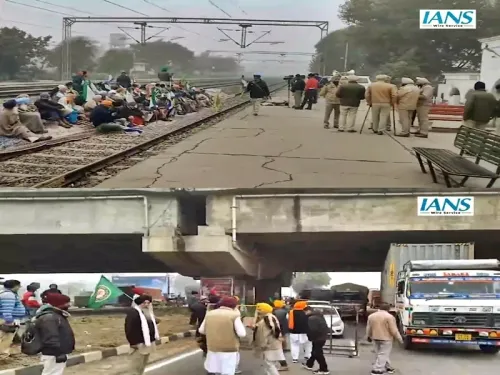
The impact of the shutdown was reported as partial through the morning, even as major organisations lent their support. Private bus operators in several cities and towns suspended services, while markets, factories, and commercial establishments in many areas remained shut till 2 pm. Private educational institutions announced closures as a precautionary measure, though government schools and colleges functioned normally, albeit with thin attendance.
The Shiromani Gurdwara Parbandhak Committee (SGPC) shut its offices and institutions in solidarity and postponed a scheduled executive meeting. Protesters affiliated with the Qaumi Insaaf Morcha were deployed on state and national highways to stop traffic movement.
Who Called the Shutdown and Why
The shutdown was backed by the Shiromani Akali Dal (Amritsar), Waris Punjab De, Kisan Mazdoor Morcha, and several farmer organisations, among others. The call came in direct response to the use of force on the Mohali border on 15 August, when security personnel used batons, tear gas, and water cannons to disperse demonstrators marching toward Chandigarh to protest outside the Governor's residence.
That march, led by members of the Qaumi Insaf Morcha, also sought parole for Jagtar Singh Hawara, who is serving a life sentence in connection with the 1995 assassination of Chief Minister Beant Singh.
What Protesters Are Demanding
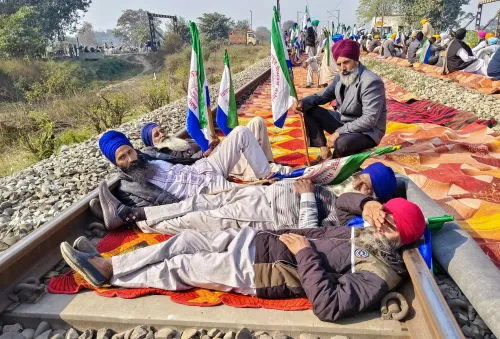
Organisers issued a call for sit-in protests on rail tracks, highways, and toll collection centres, while appealing to shopkeepers and traders to shut establishments voluntarily. Protesters were specifically urged to maintain peace and not disrupt emergency medical services. Exemptions were announced for students travelling for examinations, and individuals attending weddings, funerals, or travelling abroad.
Kisan Mazdoor Morcha coordinator Sarwan Singh Pandher confirmed that markets and institutions would remain closed during the seven-hour shutdown window. He had earlier advised milkmen to complete distribution before 7 am or after the shutdown concluded.
Political Voices
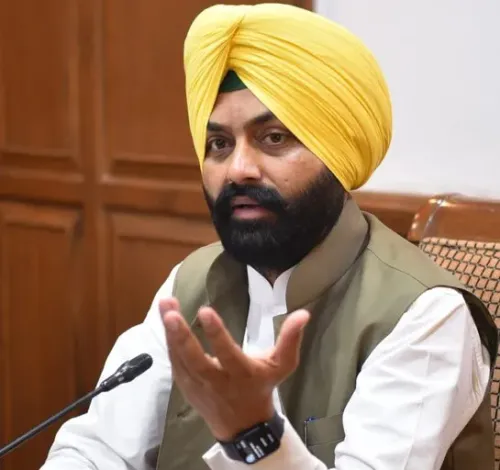
Legislator Manpreet Singh Ayali, now a supporter of Waris Punjab De, raised the central demand publicly: 'Why are the Sikhs being kept in jail despite completing their jail terms? They must be freed.'
This comes amid a broader pattern of periodic Sikh prisoner-release agitations in Punjab, which have repeatedly intersected with state politics, particularly around electoral cycles. Notably, the timing — following the Independence Day crackdown at Mohali — has sharpened the political edge of the current mobilisation.
Security and Administration Response
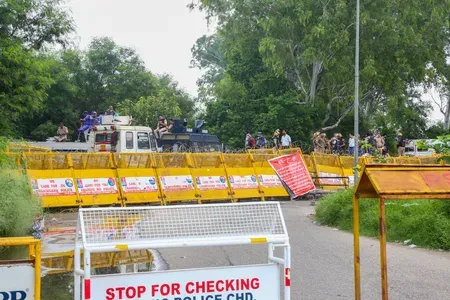
Authorities deployed heavy security across Punjab ahead of the shutdown. As of the early afternoon, no incidents of violence had been reported, according to officials. The administration's response to the protesters' core demand — the release of inmates who have served their sentences — had not been formally stated as of the time of reporting.
Point of View
Surfacing periodically as agitation rather than resolution. The Independence Day crackdown at Mohali handed organisers a fresh grievance that broadened the coalition — bringing in the SGPC and farmer bodies alongside the core Qaumi Insaf Morcha. Punjab's ruling establishment faces a familiar bind: act on the release demand and risk controversy around the 1995 assassination case; ignore it and watch the agitation grow. Neither the Centre nor the state government has offered a formal response, which is itself a political signal.
NationPress
5 Oct 2026
Frequently Asked Questions
Why was the Punjab shutdown called on 21 August?
The shutdown was called by Sikh religious and political organisations demanding the release of Sikh inmates who have completed their prison sentences. It was also triggered by the use of force — batons, tear gas, and water cannons — on protesters at the Mohali border on 15 August, when demonstrators were marching toward Chandigarh to protest outside the Governor's residence.
Which organisations supported the Punjab bandh?
The Shiromani Gurdwara Parbandhak Committee (SGPC), Shiromani Akali Dal (Amritsar), Waris Punjab De, Kisan Mazdoor Morcha, and several farmer organisations extended support to the shutdown call.
Who is Jagtar Singh Hawara and why is his name linked to the protests?
Jagtar Singh Hawara is serving a life sentence in connection with the 1995 assassination of Punjab Chief Minister Beant Singh. Protesters affiliated with the Qaumi Insaf Morcha have demanded parole for him as part of the broader agitation for the release of long-serving Sikh prisoners.
Was the Punjab shutdown complete or partial?
The impact was reported as partial through the morning of 21 August. Private buses, markets, factories, and commercial establishments in several cities remained shut, while government educational institutions functioned normally, though with thin attendance. No violence was reported as of early afternoon.
Who was exempted from the Punjab shutdown?
Organisers exempted students travelling for examinations, and individuals attending weddings, funerals, or travelling abroad. Emergency medical services were also explicitly asked to be left undisturbed.