Why is the Restoration of Putheri Lake in TN Stalled?
Synopsis
Putheri Lake's restoration in Chennai is stalled due to persistent sewage inflow and encroachments, raising concerns about the effectiveness of the restoration efforts. Environmentalists warn that without addressing these issues, any improvements will be merely cosmetic.
Key Takeaways
Putheri Lake is in distress due to sewage and encroachments.
Restoration efforts have been slow and inconsistent.
Environmentalists warn of cosmetic improvements without addressing the root problems.
Public health is at risk due to ongoing waste disposal.
Timely action is critical for effective restoration.
Chennai, Jan 15 (NationPress) Once intended to serve as a vital urban water buffer along Chennai’s Radial Road, Putheri Lake continues to languish in distress, even after a significant restoration initiative was announced nearly a year ago.
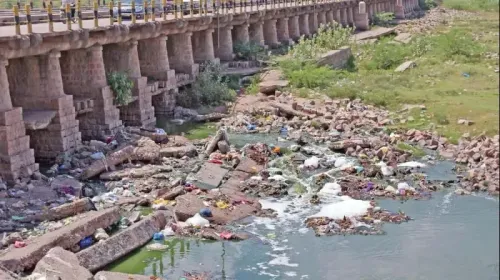
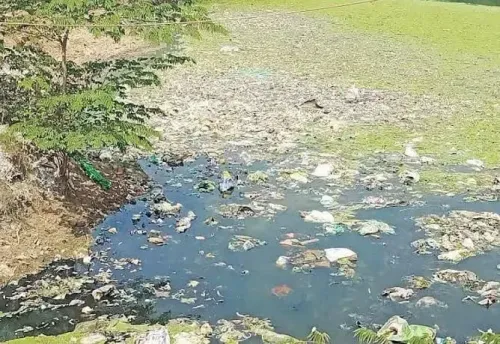
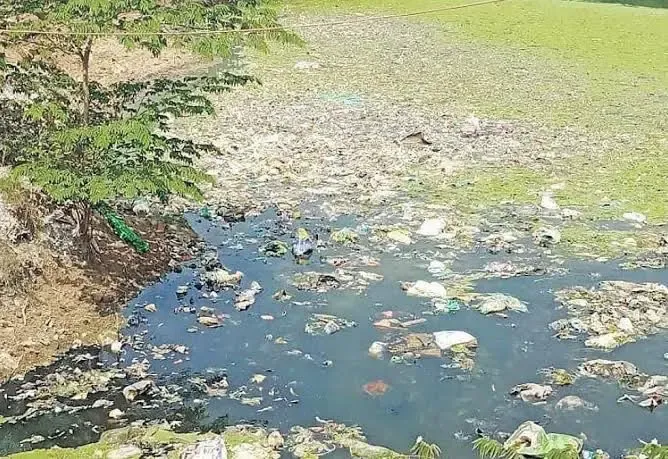
The ongoing delay has resulted in the lake grappling with chronic sewage inflow, diminishing boundaries from encroachments, and increasing accumulations of solid waste, raising serious doubts about the effectiveness and scheduling of restoration activities.
Putheri Lake is part of a series of waterbodies along the 14.3-km Radial Road, located right after Pallavaram Periya Eri.
Spanning 10.45 acres, the lake was selected for restoration last year after the Chennai Metropolitan Development Authority issued a ₹3.4 crore tender aimed at enhancing its storage capacity and ecological state. However, advancements on-site have been inconsistent, with operations largely limited to a single area of the lake.
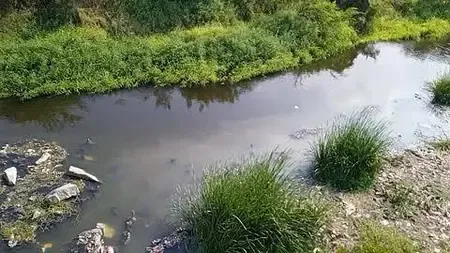
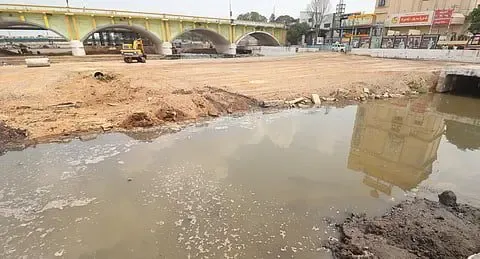
On the southern flank, minimal desilting and removal of water hyacinth have taken place. Nevertheless, the primary inlet to the lake has been obstructed by a concrete step, while numerous sewage access points remain unaddressed.
The overflow channel intended to divert excess water towards Keelkattalai Lake has not been adequately desilted. Consequently, the causeway in this section is clogged with plastic debris, household waste, and stagnant sewage, severely impeding water flow.
Conditions on the northern side are considerably worse. This area of the lake continues to receive untreated sewage and is heavily infested with water hyacinth. No restoration efforts have started here, effectively turning it into an open dumping site.
A busy road along the northern bund, which leads to a private educational institution, is daily traversed by thousands of students and residents. The persistent disposal of meat waste and household garbage along this route has raised serious public health and sanitation issues.
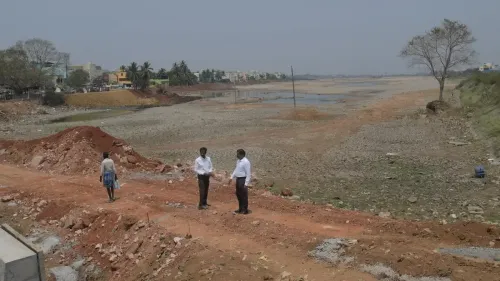
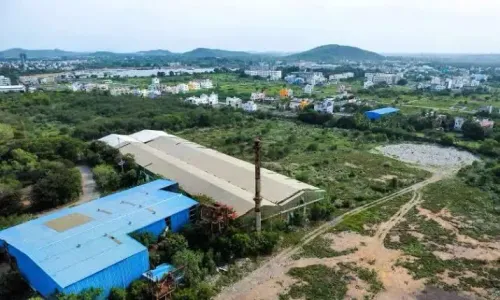
Encroachments surrounding the lake remain unresolved. Although several structures have been identified on land that was originally part of the lake, restoration work has progressed without first reclaiming these areas, further hampering the project’s effectiveness.
Environmental experts warn that without first addressing sewage inflow and reclaiming encroached land, restoration efforts will provide only superficial improvements.
Officials, however, assert that the approved plan encompasses both the northern and southern sections of the lake, and that sewage inlets will be sealed once the work on the southern part is complete. Following that, restoration of the northern side will commence. Residents emphasize that timely, coordinated action is essential to prevent further degradation of this urban waterbody and to reinstate its role in drainage, groundwater recharge, and public health protection.
Point of View
The situation surrounding Putheri Lake reflects a broader issue of urban waterway management and environmental responsibility. While restoration plans exist, actual implementation often falters due to systemic delays and unresolved encroachments. It is imperative for local authorities to prioritize these issues to ensure the health of urban ecosystems and the communities that depend on them.
NationPress
30 Sept 2026
Frequently Asked Questions
What is the current status of Putheri Lake?
Putheri Lake is currently facing severe issues with sewage inflow and encroachments, hindering the restoration efforts initiated last year.
Why is sewage inflow a concern for Putheri Lake?
Sewage inflow poses serious risks to water quality, public health, and the overall ecological balance of the lake.
What steps are being taken for the restoration of Putheri Lake?
A ₹3.4 crore restoration plan was announced, but progress has been limited, and key issues like sewage inlets remain unaddressed.
How are encroachments affecting Putheri Lake?
Encroachments limit the effectiveness of restoration efforts, as necessary land recovery has not been prioritized.
What do residents want regarding Putheri Lake?
Residents are calling for timely, coordinated action to address sewage inflow and encroachments to restore the lake's health and utility.