Will Chhattisgarh's new police commissionerate system improve law enforcement in Raipur from Jan 23?
Synopsis
In a groundbreaking move, the Chhattisgarh government is set to implement a police commissionerate system in Raipur on January 23, 2026. This initiative aims to enhance law enforcement efficiency amid rising crime and urbanization. Will this new structure lead to safer streets and improved governance in the state capital?
Key Takeaways
New police commissionerate system launched in Raipur.
Effective from January 23, 2026 .
21 urban police stations under direct control of Police Commissioner .
Enhanced powers for quicker law enforcement responses.
Rural areas remain unaffected by the new system.
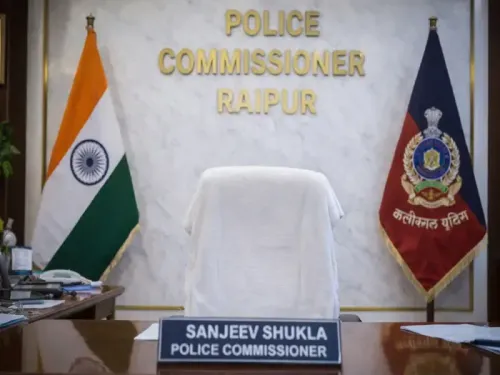
Raipur, Jan 21 (NationPress) The government of Chhattisgarh has made a significant advancement in improving law enforcement in the state capital by launching the police commissionerate system in the city of Raipur.
This initiative is set to take effect on January 23, 2026, as per an official notice. The area governed by the Raipur Municipal Corporation, which has a population nearing 1.9 million, will operate under this new police commissionerate framework.
The move is a response to the city's rapid urbanization, escalating crime rates, heightened traffic congestion, and the growing demands of its population.
The government anticipates that this new structure will enhance policing efficiency and autonomy, allowing for quicker responses to law enforcement challenges and improved crime control.
With the commissionerate system, a total of 21 urban police stations in Raipur will be under the direct oversight of the Police Commissioner. This includes critical stations such as Civil Lines, Kotwali, Devendra Nagar, Telibandha, Ganj, Gol Bazar, Mowa, Tikrapara, Pandri, Khamhardih, Gudhiyari, and all other urban police stations within the municipal limits.
The Police Commissioner will be granted magisterial powers, allowing them to enforce Section 144 restrictions, approve or deny requests for protests and demonstrations, issue or revoke arms licenses, and make rapid decisions in emergencies.
The commissioner will also wield authority under the Chhattisgarh Police Act, the Arms Act, the Indian Penal Code, the Motor Vehicles Act, and various regulations for public safety and crowd management. These expanded powers are expected to enable swifter and more decisive actions on the ground.
The government has clarified that the rural sections of the Raipur district will not fall under the jurisdiction of the commissionerate. The current police district arrangement will persist in Balodabazar, Mahasamund, Gariaband, and other rural police stations.
Officials regard the establishment of the commissionerate system as a forward-looking initiative that caters to the needs of a burgeoning urban environment.
This system has already been adopted in several other major cities across India, where it has successfully addressed complex policing challenges in densely populated regions.
This notification marks an essential administrative reform for Raipur, aimed at enhancing urban security and governance in the capital of Chhattisgarh.
Point of View
The implementation of the police commissionerate system in Raipur signifies a progressive step towards addressing the complexities of urban policing. It reflects the government's commitment to adapting law enforcement structures to meet the needs of growing metropolitan areas, ensuring that public safety and effective governance remain a priority.
NationPress
15 Oct 2026
Frequently Asked Questions
What is the police commissionerate system?
The police commissionerate system is a policing structure where a commissioner oversees urban police stations, allowing for greater autonomy and efficiency in law enforcement.
When will the new system be implemented?
The police commissionerate system in Raipur is set to be effective from January 23, 2026.
How many police stations will be under the commissionerate?
A total of 21 urban police stations in Raipur will come under the direct control of the Police Commissioner.
What powers will the Police Commissioner have?
The Police Commissioner will have magisterial powers, including the ability to impose Section 144 restrictions, approve or deny permits for protests, and manage emergency situations.
Will rural areas be affected by this change?
No, the rural areas of Raipur district will remain outside the commissionerate's jurisdiction, maintaining the existing police district structure.