Has Society Lost Its Moral Direction by Forgetting History?
Synopsis
The essence of a society's integrity lies in its historical consciousness. Rajya Sabha Deputy Chairman Harivansh Narayan Singh warns that forgetting history leads to a loss of moral direction. At the New Delhi World Book Fair, he emphasizes the importance of remembering the past, especially the legacy of Veer Vithalbhai Patel.
Key Takeaways
History is essential for maintaining moral direction in society.
The legacy of Veer Vithalbhai Patel is crucial for understanding Indian democracy.
Public access to historical works can enhance civic engagement.
Commemoration of past leaders helps inspire future generations.
Documentaries can effectively convey historical narratives.
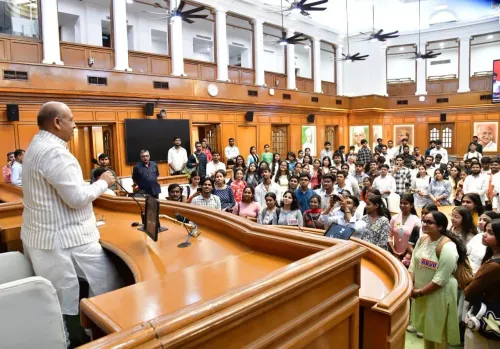
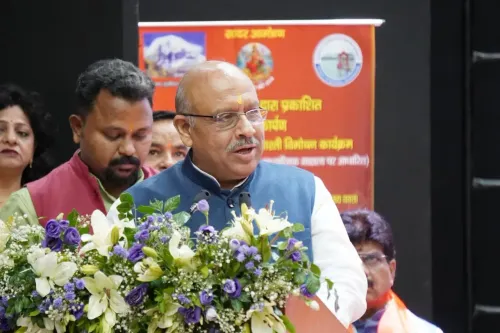
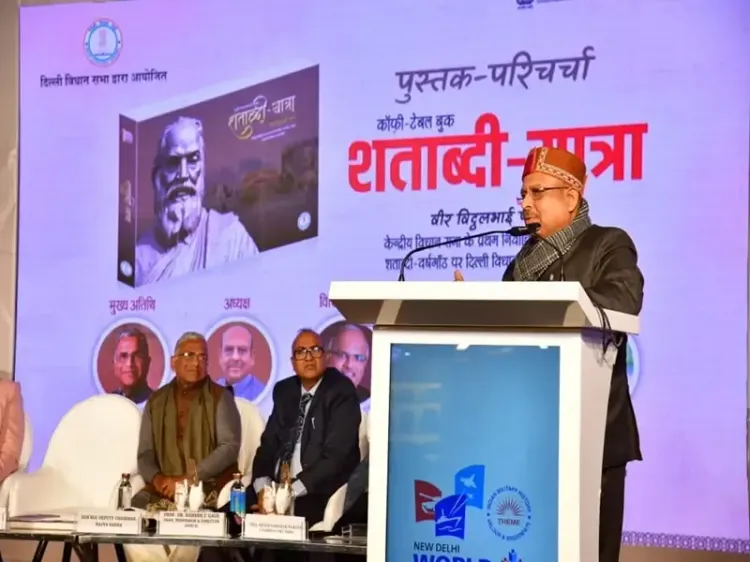
New Delhi, Jan 17 (NationPress) - The Deputy Chairman of the Rajya Sabha, Harivansh Narayan Singh, emphasized on Saturday that a society that neglects its history compromises not just its future but also its moral compass.
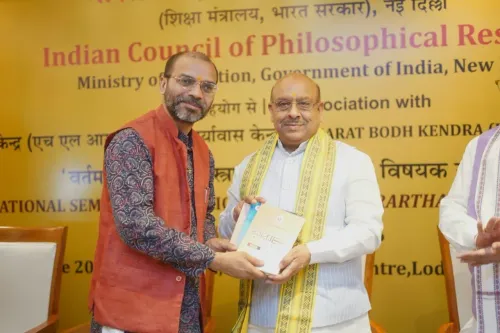
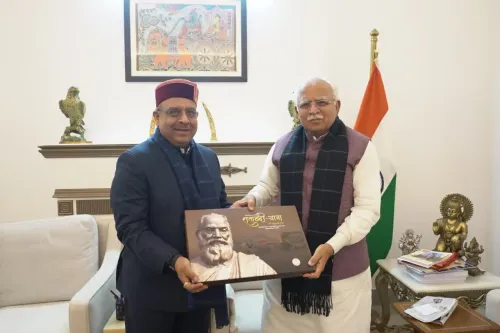
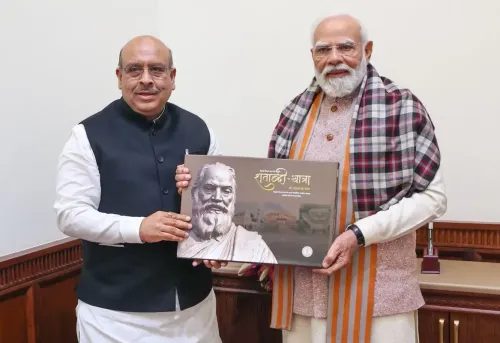
While speaking at a symposium for the coffee table book “Shri Veer Vithal Bhai Ki Gaurav Gatha: Ek Shatabdi Yatra”, released by the Delhi Legislative Assembly Secretariat, during the New Delhi World Book Fair, he remarked, “History is not simply a chronicle of the past; it is the bedrock upon which democratic institutions, public awareness, and national identity are established.”
A QR code was introduced to allow citizens easy access to purchase the coffee table book, thereby broadening the audience for this vital historical publication.
Harivansh Narayan Singh highlighted that reviving the legacy of Veer Vithalbhai Patel is not merely an academic endeavor, but a civic duty.
He praised the Delhi Legislative Assembly Secretariat for bringing back to light a mostly overlooked segment of India’s freedom struggle through a thoroughly researched and documented work.
The book was described by him as an authentic account of a crucial and dynamic era in Indian history.
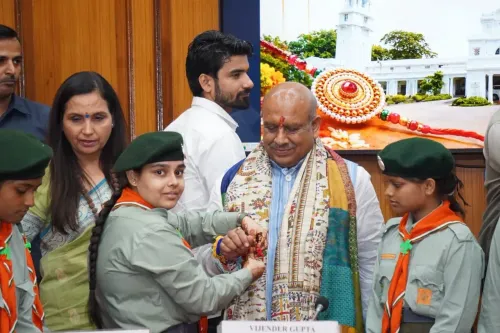
Delhi Assembly Speaker Vijender Gupta stated that the years from 1912 to 1933 represented the most pivotal phase of India’s fight for freedom, culminating in the death of Veer Vithalbhai Patel on October 22, 1933.
He portrayed Patel as a revolutionary, freedom fighter, and legislative leader who established the foundational structures of Indian parliamentary democracy.
The Speaker noted that Veer Vithalbhai Patel guided national figures such as Sardar Vallabhbhai Patel and Subhas Chandra Bose, and in future years, he will be recognized as one of the key architects of India’s independence.
The symposium was graced by notable attendees including Vinay Sahasrabuddhe, a former Member of Parliament, Ramesh Chandra Gaur, Chairman of the Kala Nidhi Trust, and Manisha Choudhary, Associate Professor at the University of Delhi, along with historians, students, and the general public.
A documentary titled “Shri Veer Vithalbhai Ki Gaurav Ki Gaatha”, narrated by Padma Bhushan awardee Anupam Kher, was also showcased during the symposium.
Point of View
I firmly believe that understanding our history is imperative for shaping a just society. The insights shared by Harivansh Narayan Singh resonate with the urgency of preserving our past. A nation that forgets its heroes risks repeating mistakes and losing its ethical foundation.
NationPress
28 Sept 2026
Frequently Asked Questions
Why is history important for society?
History provides a framework for understanding our present and shaping our future. It helps cultivate a sense of identity and moral direction.
Who was Veer Vithalbhai Patel?
Veer Vithalbhai Patel was a prominent leader during India's freedom movement, known for his contributions to establishing parliamentary democracy in India.
What was discussed at the symposium?
The symposium focused on the importance of remembering historical figures and the release of the coffee table book dedicated to Veer Vithalbhai Patel.