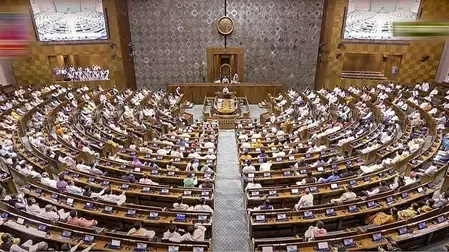
Did the Rajya Sabha Pass the Repealing and Amending Bill 2025?
Synopsis
The Rajya Sabha's recent approval of the Repealing and Amending Bill, 2025, showcases the government’s commitment to legal reform by eliminating obsolete laws and aligning with modern governance principles. This significant legislative action reflects a broader strategy to declutter the legal framework and enhance governance efficiency.
Key Takeaways
71 outdated laws repealed.
Minor amendments to 4 existing laws .
Focus on modern governance .
Part of the government's legal cleanup initiative.
Highlights the need for periodic legal reforms .
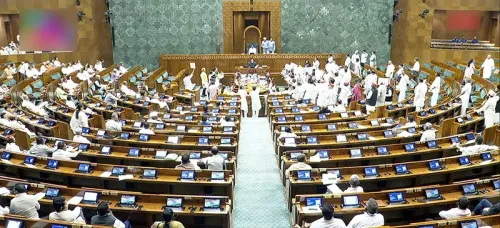
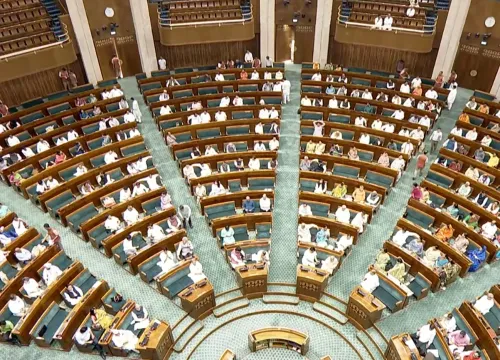
New Delhi, Dec 17 (NationPress) The Rajya Sabha approved the Repealing and Amending Bill, 2025 on Wednesday, aiming to annul 71 outdated laws and implement minor revisions to four additional laws. This initiative is part of the Central government's efforts to streamline the legal framework and remove remnants from the colonial era.
The Bill was sanctioned via a voice vote. Initially presented in the Lok Sabha on December 15, it received approval the following day. The primary focus of the Bill is on amendment Acts, the provisions of which have been absorbed into primary legislation, alongside obsolete laws such as the Indian Tramways Act, 1886.
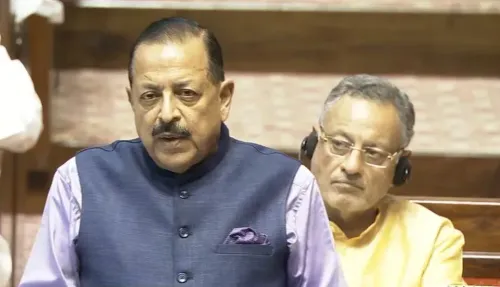
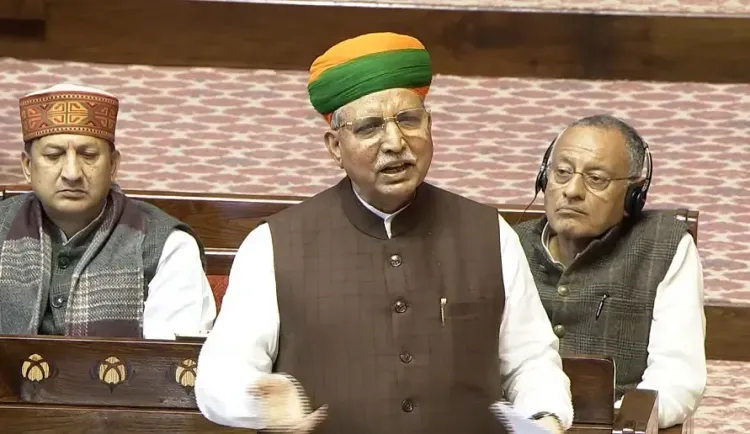
Union Law Minister Arjun Ram Meghwal justified the legislation as a necessary “housekeeping measure”, in line with Prime Minister Narendra Modi's five commitments (Panch Pran), which include discarding a colonial mindset, fostering unity, enhancing ease of living and business, adopting a citizen-centric approach, and promoting the principle of minimum government, maximum governance.
In response to claims that the Bill was rushed, Meghwal insisted it was not expedited, contrasting it with previous UPA administrations, which, he asserted, failed to introduce any such repealing legislation.
He pointed out amendments that eliminate discriminatory clauses in the Indian Succession Act, 1925, where Hindus, Buddhists, Jains, Sikhs, and Parsis were compelled to “probate wills” in specific presidency cities like Calcutta (Kolkata), Bombay (Mumbai), and Madras (Chennai), unlike Muslims. He deemed this practice colonial and a violation of constitutional equality.
The Minister also discussed updates to the General Clauses Act, 1897 and the Code of Criminal Procedure, replacing the outdated “registered post” system with modern “speed post”.
For the Disaster Management Act, 2005 (enacted during the UPA), the Bill substitutes “preparation” with “prevention” to rectify a drafting mistake.
Trinamool Congress member Sushmita Dev questioned the exclusion of the anti-defection law (Tenth Schedule of the Constitution), arguing that the Speaker's absolute authority regarding disqualifications is often misused to promote horse-trading instead of preventing defections.
Other members raised unrelated matters; Incarcerated AIP MP Engineer Rashid demanded amendments to the Unlawful Activities (Prevention) Act (UAPA), labeling some provisions as draconian and sub-judice.
Discussions also encompassed judicial reforms, including suggestions to increase the number of judges to alleviate case backlogs, presented by senior Congress member Vivek Tankha.
Meghwal clarified that UAPA and judicial appointments warrant separate discussions, assuring that the government is addressing judicial delays without rushing.
This non-controversial Bill highlights the necessity of periodic legal cleanups, with the Modi administration having annulled over 1,500 outdated laws since 2014, while also igniting broader discussions on electoral and judicial reforms during the Winter Session.
Point of View
The passage of the Repealing and Amending Bill 2025 by the Rajya Sabha is a significant step towards modernizing India's legal framework. It underscores the government's commitment to decluttering outdated laws and reflects a systematic approach to governance. This move not only aligns with the principles of equality and justice but also resonates with the aspirations of a progressive society.
NationPress
6 Oct 2026
Frequently Asked Questions
What is the Repealing and Amending Bill 2025?
The Repealing and Amending Bill 2025 aims to repeal 71 outdated laws and make minor amendments to four others, as part of the government's effort to modernize the legal framework.
Why was the Bill passed through a voice vote?
The Bill was passed through a voice vote to expedite the legislative process and reflect consensus among members of the Rajya Sabha.
What are the key changes proposed in the Bill?
The Bill includes the annulment of obsolete laws and amendments to existing laws to remove discriminatory provisions and update terminology to reflect modern practices.
How does the Bill align with Prime Minister Modi's governance goals?
It aligns with Modi's goals of minimum government and maximum governance by streamlining laws and promoting ease of living and business.
What is the significance of repealing colonial-era laws?
Repealing colonial-era laws is significant as it fosters equality and justice, reflecting India's growth as a sovereign nation.