Why was the RS Adjourned until 2 PM Amidst Opposition Protests?
Synopsis
In a high-tension session, the Rajya Sabha faced adjournment due to fierce opposition protests over the Election Commission's electoral roll revisions. With allegations of voter disenfranchisement and tragic fatalities among Booth Level Officers, the political climate remains charged as debates on governance and democracy are ignited.
Key Takeaways
The Rajya Sabha was adjourned due to opposition protests over electoral roll revisions.
Opposition leaders accuse the government of ignoring serious concerns regarding voter disenfranchisement.
Multiple parties are involved in the protests, highlighting a united front against the current electoral process.
The ongoing Winter Session is characterized by a tense political environment.
Calls for accountability in governance remain paramount for a functioning democracy.
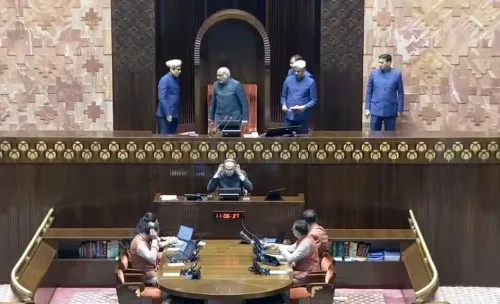
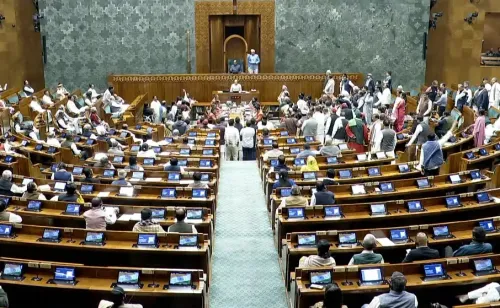
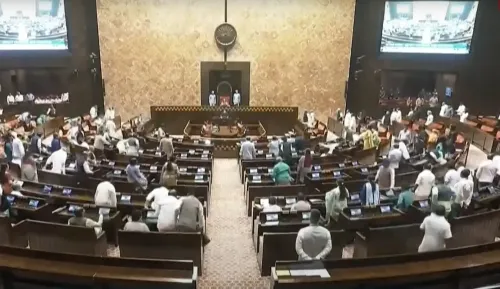
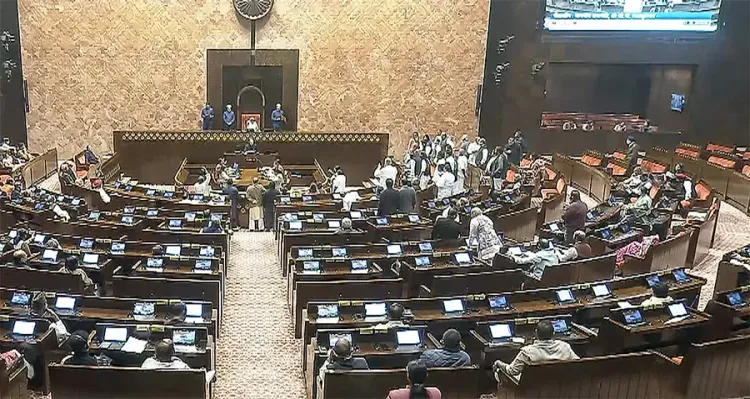
New Delhi, Dec 2 (NationPress) The Rajya Sabha, which is India's Upper House of Parliament, experienced a short yet heated session on Tuesday morning before being adjourned until 2 p.m. The adjournment occurred as members from the opposition ramped up their demonstrations regarding the Election Commission's Special Intensive Revision (SIR) of electoral rolls.
This suspension, just 20 minutes into the session, highlighted the escalating deadlock in the ongoing Winter Session, now in its second day, where calls for a debate on the alleged disenfranchisement of voters have overshadowed legislative activities.
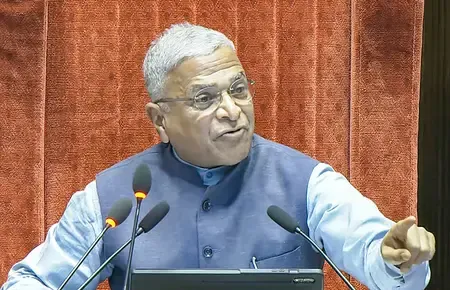
Chairman C.P. Radhakrishnan, who took on the role in September, initiated the House proceedings at 11 a.m., but was immediately confronted with chanting from the Opposition.
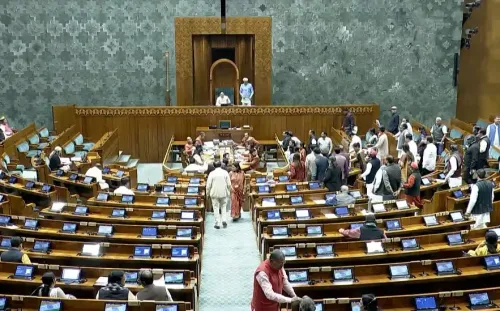
Headed by Congress leader Mallikarjun Kharge and allies from the INDIA bloc — including Trinamool Congress, DMK, and AAP — members surged into the Well of the House, holding placards that read "Vote Chor, Gaddi Chod (Vote Thief, Quit the Throne)".
They reiterated demands for an urgent discussion under Rule 267 concerning the SIR process, which is being conducted in 12 states and union territories ahead of the 2026 Assembly elections. They claimed it has resulted in over 30 fatalities among Booth Level Officers (BLOs) and the wrongful removal of millions of names, especially from marginalized communities.
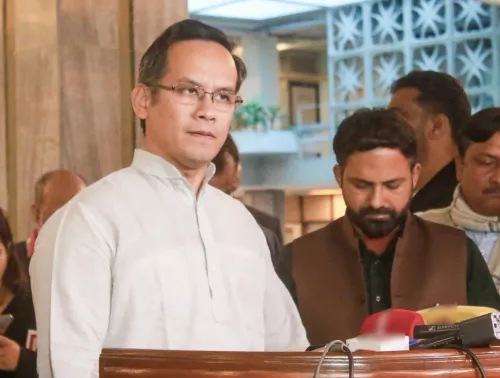
Kharge, referencing unresolved notices from Monday, accused the government of "preserving itself at the expense of democracy".
"We submitted comprehensive notices yesterday — names, subjects, everything — but they were disregarded. Thirty lives lost, families devastated, and you have chosen to ignore it all," he stated.
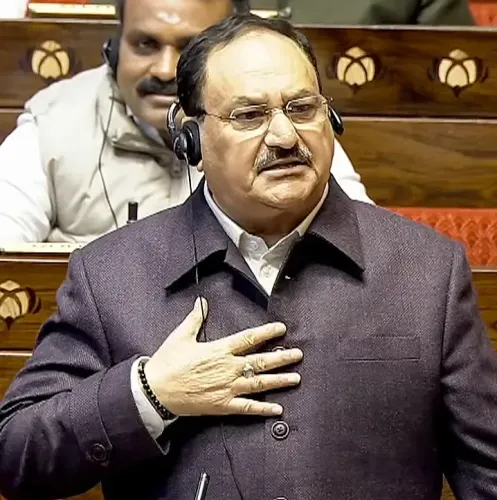
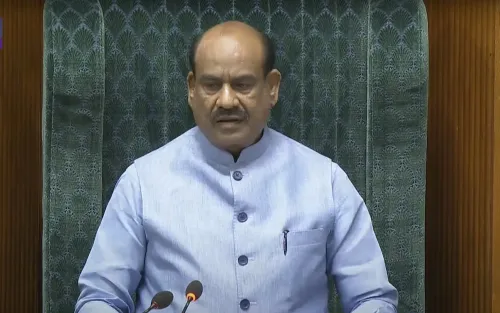
In response, Leader of the House J.P. Nadda called for restraint and assured that discussions would occur. "The Chair will decide; let’s not derail the session. Numerous bills are pending," he remarked.
However, Parliamentary Affairs Minister Kiren Rijiju countered with a mix of plea and challenge, stating, "You are obsessed with one issue while the nation faces floods, unemployment, and security concerns. You lose elections and vent your anger here — focus on governance, not theatrics."
Rijiju's comments prompted swift rebuttals, with Trinamool Congress's Derek O'Brien responding, "We're fighting for votes, not revenge; your delays are the actual show."
Chairman Radhakrishnan, maintaining his composure, requested order multiple times, cautioning against disruptions. Meanwhile, routine business continued amidst the uproar and slogans. The chairman once again appealed to opposition members for order, but the chaos persisted, leading to the adjournment until 2 p.m.
Point of View
It is evident that the ongoing protests in the Rajya Sabha reflect a deep-rooted concern for electoral integrity and democratic values. The opposition's calls for accountability and transparency are crucial for a functioning democracy. While the government emphasizes the need for legislative business, it cannot overlook the serious allegations surrounding voter disenfranchisement. Balancing governance with democratic accountability is essential.
NationPress
19 Sept 2026
Frequently Asked Questions
What led to the adjournment of the Rajya Sabha?
The Rajya Sabha was adjourned due to intense protests by opposition members regarding the Election Commission's Special Intensive Revision of electoral rolls, which they claim has caused significant voter disenfranchisement.
Who are the key figures involved in the protests?
Key figures include Congress leader Mallikarjun Kharge and members from the INDIA bloc, including Trinamool Congress, DMK, and AAP.
What are the allegations made by the opposition?
The opposition alleges that the SIR process has resulted in over 30 deaths among Booth Level Officers and the wrongful deletion of millions of names from electoral rolls, particularly affecting marginalized communities.
What is Rule 267 in the context of the Rajya Sabha?
Rule 267 allows members of the Rajya Sabha to raise issues of urgent importance, which can lead to discussions and debates in the House.
How did the government respond to the protests?
The government, represented by Leader of the House J.P. Nadda and Parliamentary Affairs Minister Kiren Rijiju, called for restraint and emphasized the need to focus on governance rather than protests.