Ram Temple donation theft: Bank officials under lens, SIT probe likely
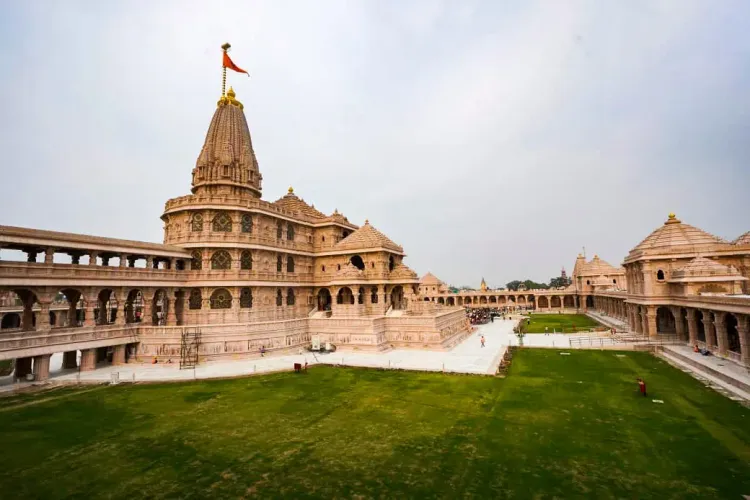
Synopsis
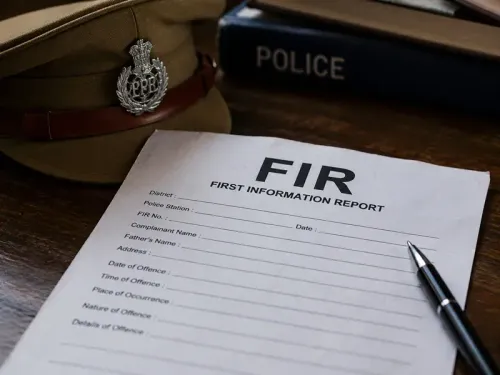
What began as an FIR against eight individuals has rapidly expanded into a probe that could implicate multiple State Bank of India officials in a multi-crore temple donation racket at Ayodhya's Ram Temple. With accused reportedly naming bank insiders as conduits, a fresh SIT investigation is on the cards — and the institutional fallout could reshape how India's most prominent religious trusts manage and audit public donations.
Key Takeaways
An FIR in the Ram Temple donation theft case names eight accused , including a temple attendant, ex-bank staff, and cash-counting personnel.
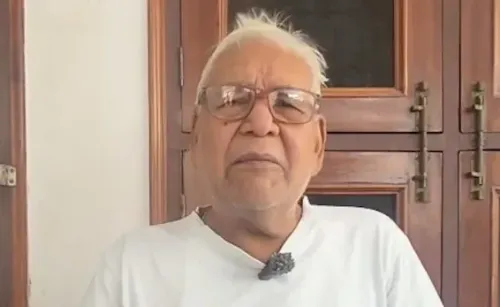
Ram Shankar Yadav alias Tinnu , former driver of Trust general secretary Champat Rai , has emerged as the central figure in the alleged scheme.
Accused Tinnu and Subhash Srivastava have reportedly named several SBI officials as alleged conduits during interrogation.
The State Bank of India (SBI) held the authorised mandate to count cash and offerings at the temple.
The modus operandi allegedly involved hiding cash in a bathroom , moving it out at night, and diverting funds across multiple accounts.
The racket is believed to have operated for two to three years ; a fresh SIT probe is reportedly being considered.
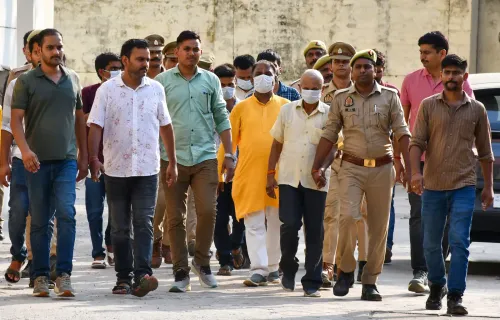
Eight persons named in the First Information Report (FIR) linked to the Ram Temple donation theft in Ayodhya are currently being interrogated, and several State Bank of India (SBI) officials are reportedly facing scrutiny for alleged collusion in the multi-crore embezzlement of temple offerings, according to sources close to the investigation. The probe, which has already resulted in eight arrests, is expected to widen significantly following fresh disclosures made during custodial questioning.
The Eight Accused and Their Roles
The eight arrested individuals — Avinash Shukla, Anukalp Mishra, Lavkush Mishra, Manish Kumar Yadav, Karunesh Pandey, Ramashankar Mishra, Subhash Srivastava, and Ram Shankar Yadav alias Tinnu — span a range of roles including a temple attendant, former bank staff, and personnel engaged in cash counting. All eight are currently being grilled by investigators and are set to be produced before a court.
Tinnu Yadav, formerly the driver of Ram Temple Trust general secretary Champat Rai, has emerged as the most prominent figure in the controversy. Subhash Srivastava, the sole ex-banking staff member among the accused, allegedly monitored cash-counting personnel at the temple and is said to have acted as a key operational pivot in the embezzlement scheme.
Startling Revelations and the Banking Angle
During interrogation, Tinnu and Subhash have reportedly made what sources describe as 'startling revelations' about the modus operandi and the involvement of additional individuals. Crucially, they have purportedly named several government bank officials who allegedly served as conduits or channels for the misappropriation of temple donations.
Notably, it was SBI that held the authorised mandate to count cash, offerings, and valuables at the temple. According to sources privy to the probe, not one but multiple banking officials are currently being scanned for their alleged role in facilitating the racket. Penal action against them is said to be imminent.
Modus Operandi: Bathroom Stash to Night-Time Transfers
Investigation findings indicate that the stolen cash was first concealed in a bathroom within the temple premises to avoid detection. The money was then moved out under cover of night and subsequently segregated at separate locations before being diverted into the accused's accounts. The racket is believed to have been operating for two to three years, suggesting a sustained and organised operation rather than an opportunistic act.
Sources indicate that Subhash allegedly recruited accomplices and managed duty rosters for cash-counting staff, while Tinnu coordinated the broader logistics of the theft. The alleged involvement of banking officials has led investigators to classify this as an instance of 'organised crime', according to sources.
SIT Probe on the Cards
According to top sources, a fresh Special Investigation Team (SIT) inquiry may be constituted to unravel the full extent of the syndicate's operations, particularly the banking angle. The existing investigation is expected to name additional accused as interrogations progress.
This development marks a significant escalation in a case that has drawn national attention, given the sanctity and public trust associated with the Ram Temple in Ayodhya. The outcome of the widened probe is expected to have institutional implications for the oversight framework governing temple donation management across the country.
Point of View
Who held the authorised mandate to count offerings, raises a fundamental question: who watches the watchmen when the watchmen are allegedly the thieves? For years, India's major religious trusts have operated with minimal independent audit oversight, relying instead on institutional trust in public-sector banks. That trust now appears to have been exploited. If the SIT probe confirms banking collusion, the institutional pressure to reform donation-management frameworks — across Tirupati, Shirdi, and other high-revenue temples — will be impossible to ignore.
NationPress
25 Sept 2026
Frequently Asked Questions
Who are the eight accused named in the Ram Temple donation theft FIR?
The eight accused are Avinash Shukla, Anukalp Mishra, Lavkush Mishra, Manish Kumar Yadav, Karunesh Pandey, Ramashankar Mishra, Subhash Srivastava, and Ram Shankar Yadav alias Tinnu. They include a temple attendant, former bank staff, and individuals involved in counting cash offerings at the Ram Temple in Ayodhya.
What is the alleged role of SBI in the Ram Temple donation theft?
The State Bank of India (SBI) was the authorised institution for counting cash, offerings, and valuables at the Ram Temple. Several SBI officials are now reportedly under scrutiny for allegedly acting as conduits or channels in the misappropriation of donations, based on disclosures made by accused persons during interrogation.
What was the modus operandi used in the Ram Temple donation theft?
According to investigation sources, stolen cash was first hidden in a bathroom inside the temple premises to avoid detection. It was then moved out at night, segregated at separate locations, and diverted into the accused's accounts. The racket is believed to have run for two to three years.
Is a fresh SIT probe likely in the Ram Temple donation case?
Yes, according to top sources, a fresh Special Investigation Team (SIT) inquiry is being considered to investigate the full scope of the syndicate, particularly the alleged involvement of banking officials. The current probe is expected to widen as interrogations continue.
Why is the Ram Temple donation theft case significant?
The case is significant because it allegedly involves organised collusion between temple insiders and government bank officials at one of India's most prominent and high-revenue religious sites. It raises broader questions about the oversight and audit frameworks governing donation management at major temples across the country.