Should Sri Lanka Transition to a Federal Structure to Address Tamil Issues?
Synopsis
In a significant call for change, PMK leader S. Ramadoss urges Sri Lanka to adopt a federal structure to address the longstanding grievances of Tamils. He emphasizes that the current unitary system has failed to provide adequate representation and rights for the Tamil community. The implications of this shift could reshape the future of ethnic relations in Sri Lanka.
Key Takeaways
Ramadoss calls for federalism in Sri Lanka.
The current unitary system is deemed ineffective for Tamils.
Grievances of Eelam Tamils remain unresolved.
The 1987 Accord emphasized power devolution.
Ongoing oppression necessitates a structural change.
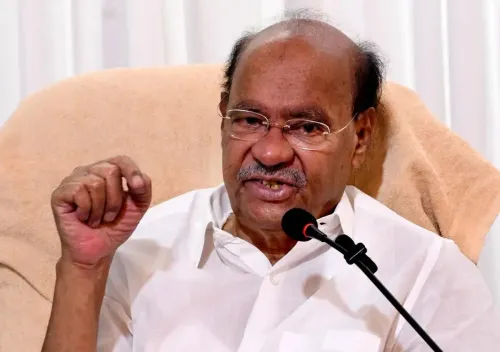
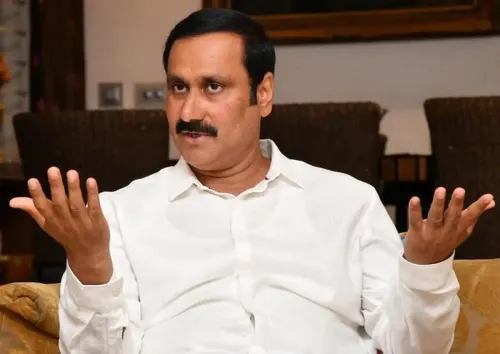
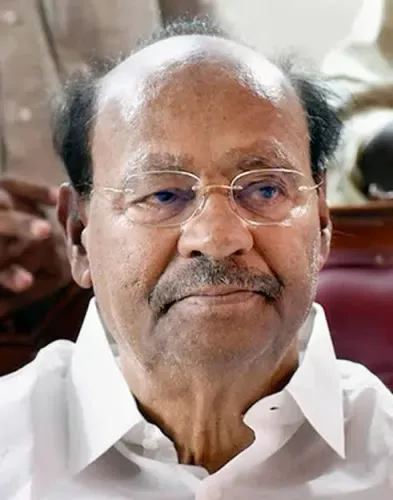
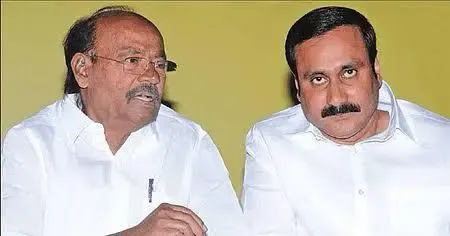
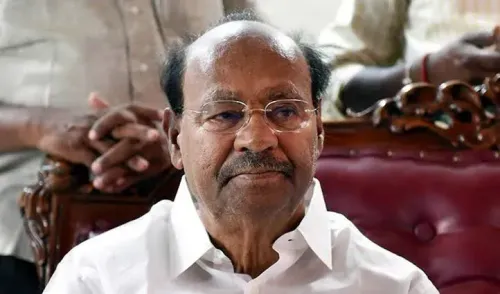
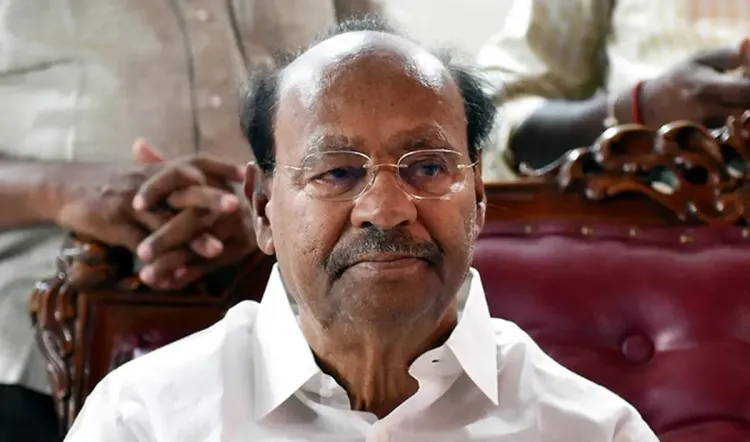
Chennai, Dec 22 (NationPress) The founder of Pattali Makkal Katchi (PMK), S. Ramadoss, has called on Sri Lanka to move away from its current unitary constitutional arrangement and instead embrace a federal political system that recognizes the Tamil homeland and ensures the right to self-determination for ethnic Tamils.
In a comprehensive statement following a discussion with the Tamil National People's Front (TNPF), Ramadoss asserted that the Sri Lankan government must acknowledge that the deep-rooted grievances of Eelam Tamils cannot be addressed within the existing unitary framework.
He cautioned that without significant reform, the nation would see increasing ethnic divisions and ongoing violations of rights.
During a meeting at his residence on December 20, senior TNPF officials, including Parliamentarian Gajendrakumar Ponnambalam, apprised him of the concerning situation in the Tamil-majority areas of the Northern and Eastern provinces.
The delegation informed Ramadoss that even though the civil war concluded 16 years ago, Sri Lanka persists in what they describe as structural genocide against Tamils through land confiscations, demographic manipulations, militarization, and repression of dissent.
Ramadoss pointed out that despite the official end of conflict in May 2009, the conditions for Eelam Tamils remain alarming.
The lack of genuine political autonomy, coupled with economic distress, has left communities feeling frustrated and disenchanted, he added.
Recalling the 1987 India–Sri Lanka Accord, Ramadoss stressed that the agreement explicitly called for the devolution of powers to Tamils via provincial councils.
However, he lamented that nearly four decades later, no meaningful authority has been transferred.
He noted that the 13th Constitutional Amendment, which was introduced under Indian influence, remains largely ineffective as it operates within a unitary framework.
According to Ramadoss, Sri Lanka's Supreme Court has ruled on 32 occasions that authentic power-sharing cannot happen unless the unitary structure is dismantled.
He accused the current government led by Anura Kumara Dissanayake of trying to push through a new constitution that, like previous drafts from 2015 to 2019, would centralize authority further and reinforce Sinhalese-Buddhist dominance.
Labeling the situation as critical, Ramadoss urged the Union government to engage diplomatically to avert the adoption of such a constitution.
Only a federal framework that acknowledges the sovereignty of the Tamil homeland and safeguards their right to self-governance can fulfill the essence of the India–Sri Lanka Accord and end the ongoing oppression, concluded the PMK leader.
Point of View
This issue is critical as it addresses the longstanding ethnic tensions in Sri Lanka. The call for a federal structure by S. Ramadoss could signal a pivotal moment in addressing the grievances of the Tamil community. The nation's response will be crucial in determining the future of ethnic relations and governance in Sri Lanka.
NationPress
25 Sept 2026
Frequently Asked Questions
What is the main concern voiced by S. Ramadoss regarding Sri Lanka?
S. Ramadoss urges Sri Lanka to move from a unitary system to a federal structure that recognizes the Tamil homeland and ensures self-determination for Tamils.
What has been the impact of the current unitary structure on Tamils?
The unitary structure has led to ongoing ethnic divisions and rights violations against the Tamil population, as expressed by Ramadoss.
What historical agreement does Ramadoss reference?
He references the 1987 India-Sri Lanka Accord , which mandated the devolution of powers to Tamils through provincial councils.
What does Ramadoss suggest is necessary for peace in Sri Lanka?
He suggests that a federal system recognizing Tamil sovereignty is essential for achieving lasting peace and addressing grievances.
What role does Ramadoss believe the Union government should play?
He calls on the Union government to intervene diplomatically to prevent the passage of a constitution that centralizes authority further.