Rasuwa floods reroute Kailash pilgrims via Tatopani, Hilsa border crossings
Synopsis
A single catastrophic flood on 26 August knocked out Nepal's key Rasuwagadhi gateway to Tibet, leaving Kailash-Manasarovar pilgrims — mostly Indian nationals — scrambling through Tatopani and Hilsa. With 1,395 dead, 5,130 missing, and the route still closed, the disruption hits a pilgrimage season where China had already raised the Indian quota to 24,000, making the stakes for rapid restoration unusually high.
Key Takeaways
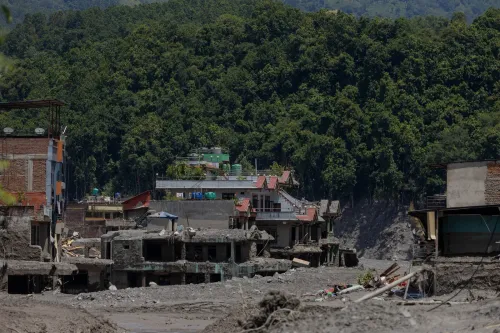
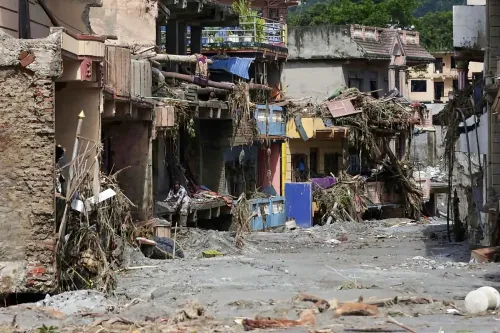
Flooding in Rasuwa district on 26 August destroyed infrastructure at the Rasuwagadhi border crossing , the primary land gateway for Kailash-Manasarovar pilgrims.
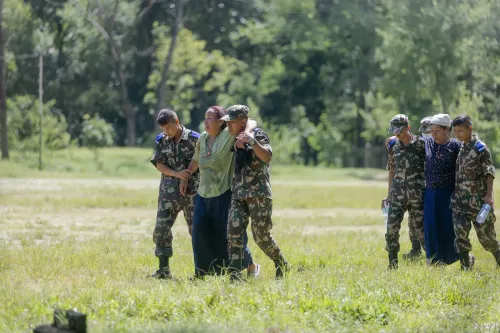
Nepal's NDRRMA reports 1,395 deaths and 5,130 people missing as of Monday evening; some pilgrims remain out of contact.
Between 26 August and 14 September , 3,904 passengers entered Nepal via Tatopani and 387 via Hilsa as alternative crossings.
China increased the Indian pilgrim quota through Nepal to 24,000 for the current season, up from 20,000 last year.
India's own direct routes via Lipulekh and Nathu La are capped at just 1,000 pilgrims per year combined, making Nepal routes indispensable for most Indian devotees.
No timeline for Rasuwagadhi restoration has been announced; the Department of Immigration is coordinating with agencies to manage the alternative crossings.
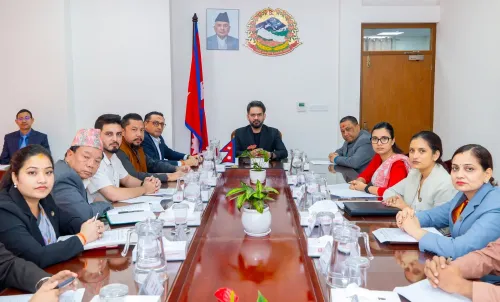
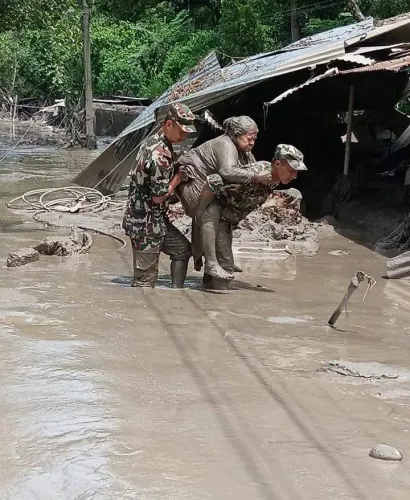
Severe flooding in Nepal's Rasuwa district on 26 August 2025 has disrupted passenger movement at the Rasuwagadhi border crossing, forcing thousands of travellers — including Indian Kailash-Manasarovar pilgrims — to reroute through the Tatopani crossing in Sindhupalchok and the Hilsa crossing in Humla. Nepal's Department of Immigration confirmed the development in a statement on Monday evening, adding that it is coordinating with relevant government agencies to ensure smooth immigration management at the alternative points.
Scale of the Disaster
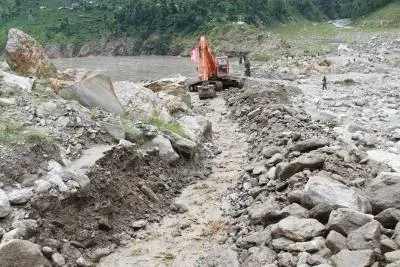
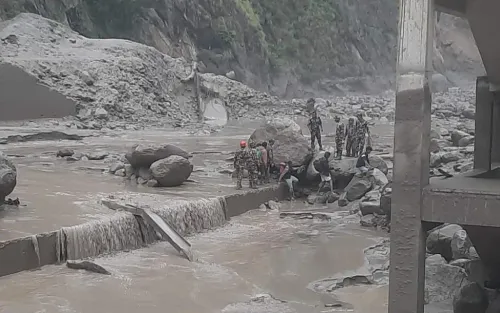
The 26 August flood swept through areas surrounding Rasuwagadhi, damaging critical infrastructure including the immigration office at the crossing. According to Nepal's National Disaster Risk Reduction and Management Authority (NDRRMA), the floods have so far claimed 1,395 lives, with a further 5,130 people missing as of Monday evening. Several pilgrims who were travelling through Rasuwagadhi towards Kailash-Manasarovar at the time of the floods remain out of contact, authorities said.
Traffic Shifts to Tatopani and Hilsa
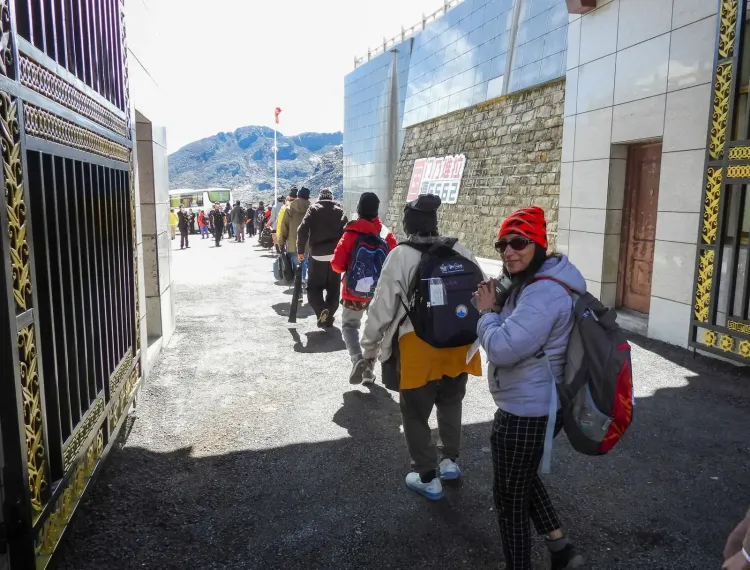
Since the disruption, passenger movement at the two alternative crossings has increased substantially. Between 26 August and 14 September, as many as 3,904 passengers entered Nepal through Tatopani, including 1,733 women, while 391 passengers departed Nepal for China via the same route. At Hilsa, 387 passengers entered Nepal during the same period, of whom 165 had originally departed Nepal for China through Rasuwagadhi. Meanwhile, 178 passengers exited Nepal for China via Hilsa. Among foreign nationals using these crossings, Indian, British, and US citizens constituted the largest groups, immigration authorities said.
Significance for Indian Pilgrims
Indian nationals constitute the largest share of pilgrims travelling to Kailash-Manasarovar through Nepal. The pilgrimage for Indian citizens resumed last year after a five-year hiatus that followed India-China border tensions stemming from the 2020 Galwan Valley clash. Beijing and New Delhi agreed to restore the yatra after diplomatic engagement. Last year's quota for Indian pilgrims stood at 20,000; China increased the figure to 24,000 Indian passport holders travelling through Nepal for the current pilgrimage season.
Why Nepal Routes Dominate
Although India maintains two alternative routes to Kailash-Manasarovar — through the Lipulekh Pass and the Nathu La Pass in Sikkim — the Indian government caps annual pilgrim numbers through these corridors at just 1,000, with 500 allocated through each route. Given this constraint, the vast majority of Indian pilgrims opt to travel privately through Nepal, which currently offers four routes to the holy site: the Tatopani and Rasuwagadhi land crossings, the Hilsa crossing, and the Kathmandu-Lhasa air route.
What Happens Next
The Rasuwagadhi crossing remains disrupted, and no timeline for its restoration has been announced. The Department of Immigration said it will continue coordinating with government agencies to facilitate movement through Tatopani and Hilsa. With the current pilgrimage season ongoing and the quota raised to 24,000 Indian pilgrims, pressure on the two alternative crossings is expected to remain elevated until Rasuwagadhi is rehabilitated.
Point of View
000-pilgrim quota. The scale of the missing toll (5,130) suggests the human cost is still being tallied, and the lack of a restoration timeline is a governance gap that both Kathmandu and New Delhi should be pressing urgently. For India, the episode also underscores the strategic folly of capping direct Kailash routes at 1,000 pilgrims annually while quietly depending on Nepal's infrastructure to absorb the remaining demand — a dependency that now looks very exposed.
NationPress
15 Sept 2026
Frequently Asked Questions
Why is the Rasuwagadhi border crossing closed for Kailash-Manasarovar pilgrims?
Severe flooding on 26 August in Nepal's Rasuwa district damaged key infrastructure at the Rasuwagadhi crossing, including the immigration office, making the route impassable. Nepal's NDRRMA reports 1,395 deaths and 5,130 people missing as a result of the floods.
What alternative routes are Kailash-Manasarovar pilgrims using now?
Pilgrims are being redirected through the Tatopani crossing in Sindhupalchok and the Hilsa crossing in Humla. Between 26 August and 14 September, 3,904 passengers entered Nepal via Tatopani and 387 via Hilsa, according to Nepal's Department of Immigration.
How does the flood disruption affect Indian Kailash pilgrims specifically?
Indian nationals make up the largest share of Kailash-Manasarovar pilgrims through Nepal, and China has raised India's quota to 24,000 for the current season. With Rasuwagadhi closed and India's own direct routes capped at 1,000 pilgrims combined, the alternative Nepal crossings are now the only practical option for the vast majority of devotees.
When did the Kailash-Manasarovar pilgrimage resume for Indians after the Galwan standoff?
The pilgrimage resumed last year after a five-year suspension triggered by the 2020 Galwan Valley clash between Indian and Chinese troops. It was restored following diplomatic agreement between New Delhi and Beijing.
What are the four Nepal routes to Kailash-Manasarovar?
Nepal currently offers four routes to Kailash-Manasarovar: the Tatopani land crossing in Sindhupalchok, the Rasuwagadhi land crossing in Rasuwa (currently disrupted), the Hilsa crossing in Humla, and the Kathmandu-Lhasa air route.