Rajasthan civic polls 2025: Rebels, youth, independents set to fragment BJP-Congress race
Synopsis
Rajasthan's urban local body elections are no longer a simple BJP vs Congress affair. With wards expanding from 7,500 to 10,245, contestants projected to cross 40,000, and smaller parties like BSP and RLP entering the fray, the real contest may be fought ward by ward — by rebels and independents that neither major party could accommodate.
Key Takeaways
Rajasthan's urban local bodies have grown from 196 to 309 , with wards increasing from 7,500 to 10,245 .
Total candidates are projected to exceed 40,000 , up from 27,462 in the previous cycle held between 2019 and 2021 .
Average candidates per ward expected to rise from fewer than 4 to around 5 , driven by rebel and independent entries.
BSP, RLP, NCP, CPI, and CPI-M are fielding candidates, threatening to turn direct BJP-Congress contests into multi-cornered battles.
Both BJP and Congress are emphasising youth candidates and are open to backing independents in select wards for tactical reasons.
9,972 women contested in the previous election; this time female aspirants are seeking tickets in general wards as well.
The upcoming urban local body elections in Rajasthan are shaping up to be far more than a two-way contest between the ruling Bharatiya Janata Party (BJP) and the opposition Indian National Congress (Congress). A surge in rebel candidates, independent aspirants, and first-time youth contestants is expected to fragment several wards into multi-cornered battles, making outcomes significantly harder to predict than in previous cycles.
A Vastly Expanded Electoral Arena
The scale of this election is markedly larger than before. The number of urban local bodies in Rajasthan has grown from 196 to 309, while the total number of wards has risen from 7,500 to 10,245. In the previous round of polls — conducted across five phases between 2019 and 2021 — a total of 27,462 candidates contested. This time, with the expanded arena and a rush of aspirants at party offices, the total contestant count is projected to cross 40,000. The average number of candidates per ward is expected to climb from fewer than four to around five.
Youth Push and the Rebel Factor
Both the BJP and Congress have placed emphasis on fielding younger candidates, which has sharply increased the pool of aspirants seeking party tickets. Since ticket availability cannot match the volume of applications, those who miss out are widely expected to contest as rebels or independents. This dynamic has historically fragmented vote shares in individual wards, and political observers expect it to be more pronounced this cycle given the expanded ward count.
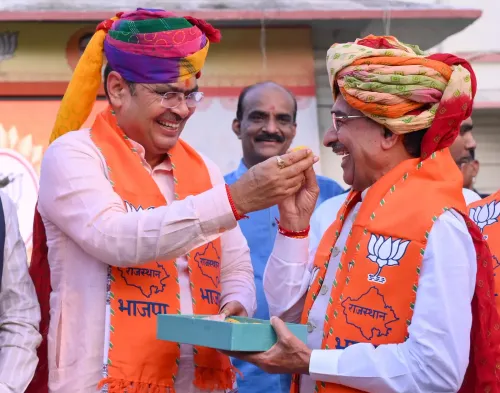
BJP state president Madan Rathore underlined the party's intent to invest in new political talent. 'The party trains its young workers and provides them with opportunities to step forward in politics, increase their participation, receive training, and as public representatives engage in the mission of public service,' he said.
Women's Representation on the Rise
In the previous urban body elections, 9,972 women contested. This time, political parties are actively encouraging greater female participation — notably, women aspirants are seeking tickets not just in reserved wards but also in general wards, a shift that reflects a broader push to mainstream women's representation in local governance.
Rajasthan Congress spokesperson Swarnim Chaturvedi cited the party's digital outreach as evidence of the surge in interest. 'This time, we have received a mammoth response from candidates as we have launched QR codes for registering their candidatures,' he said.
Smaller Parties and Triangular Contests
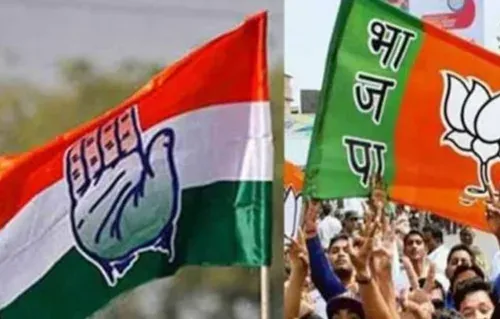
Beyond the two major parties, several smaller formations are actively preparing to field candidates. The Bahujan Samaj Party (BSP) is expected to contest a significant number of seats. The Rashtriya Loktantrik Party (RLP), Nationalist Congress Party (NCP), Communist Party of India (CPI), and Communist Party of India (Marxist) (CPI-M) are also working on ward-level strategies in their areas of influence. Their combined presence could convert several traditionally direct BJP-Congress contests into triangular or multi-cornered battles.
Tactical Independents: A Calculated Gamble
Notably, both the BJP and Congress are reportedly open to backing independent candidates in select wards where local equations make it strategically advantageous to avoid fielding official nominees. Both parties have used this approach in previous elections. With aspirant numbers far exceeding available tickets, supporting well-placed independents offers a way to manage competing local interests without formally splitting the party vote. This tactical flexibility, however, also introduces unpredictability into ward-level results.
With the election machinery now in motion across 309 urban local bodies, all eyes will be on how the ticket-allocation process unfolds — and how many disappointed aspirants ultimately decide to contest regardless.
Point of View
Rebels become inevitable, and rebels in tight ward contests can swing outcomes with margins of a few hundred votes. Both parties know this, which is why the quiet strategy of backing select independents is back on the table. The entry of BSP, RLP, and Left formations adds another layer of fragmentation that could produce genuinely unpredictable results at the ward level — results that aggregate tallies will obscure.
NationPress
12 Oct 2026
Frequently Asked Questions
How many candidates are expected to contest the Rajasthan urban body elections this time?
The total number of contestants is projected to cross 40,000, up from 27,462 in the previous cycle. This surge is driven by an increase in wards from 7,500 to 10,245 and a large pool of youth and rebel aspirants who may contest independently if they fail to secure party tickets.
How many urban local bodies are going to polls in Rajasthan?
Elections are being held across 309 urban local bodies this time, compared to 196 in the previous cycle conducted between 2019 and 2021. The number of wards has correspondingly risen from 7,500 to 10,245.
Which smaller parties are contesting the Rajasthan civic polls?
The Bahujan Samaj Party (BSP), Rashtriya Loktantrik Party (RLP), Nationalist Congress Party (NCP), Communist Party of India (CPI), and Communist Party of India (Marxist) (CPI-M) are all preparing to field candidates. Their presence is expected to convert several direct BJP-Congress contests into triangular or multi-cornered battles.
Why are rebel and independent candidates expected to play a bigger role this time?
Both the BJP and Congress are pushing to field younger candidates, which has increased the number of aspirants seeking tickets beyond what either party can accommodate. Those who fail to secure nominations are widely expected to contest as rebels or independents, making individual ward outcomes more unpredictable.
What is the BJP's position on fielding young candidates in these elections?
BJP state president Madan Rathore has stated it is a party priority to bring the new generation forward under senior leadership guidance. The party says it trains young workers and provides them platforms to participate in public service as elected representatives.