Could Dialogue Resolve Balochistan's Issues?
Synopsis
A pressing call from religious scholars in Balochistan urges the government to tackle local issues through dialogue and justice. With a focus on missing persons and the rights of local residents, the need for action is more critical than ever. How will the government respond to these urgent demands?
Key Takeaways
Dialogue and Justice: A crucial step towards resolving Balochistan's issues.
Call for Accountability: Urgent need for transparent investigations into missing persons.
Partnership Approach: Treating Baloch residents as state partners is essential.
Local Development: Revenue from resources must benefit the local population.
Human Rights Focus: Addressing human rights violations is imperative for peace.
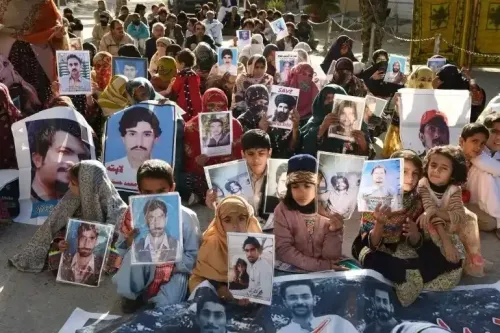
Quetta, Feb 19 (NationPress) A group of religious scholars has emphasized the need to address the challenges faced by Balochistan through dialogue. They have urged the Pakistani government to conduct a comprehensive investigation into cases of missing persons and insisted that anyone found culpable should be held accountable in public courts, while those innocent should be released without delay, as reported by local media on Thursday.
At a press conference following a seminar themed ‘Restoring Peace in Balochistan and Confidence-Building, the Institutional Responsibilities of Ulema and Mashaykh’, the scholars, including Maulana Ata ur Rehman, Allama Muhammad Juma Asadi, Maulana Anwar-ul-Haq Haqqani, and Qari Abdul Rehman Noorzai, argued that sustainable solutions are rooted in justice, mediation, and reconciliation rather than coercive measures, as highlighted by Pakistan's prominent daily, Dawn.
They cautioned that Balochistan is at a pivotal juncture, where one route leads towards complete separation while another fosters a constitutional struggle for fundamental rights. They insisted that the people of Balochistan should be regarded as state partners rather than suspects.
The scholars called for job creation for local youth to alleviate their frustrations, as well as ensuring a meaningful stake in projects like Gwadar, the China-Pakistan Economic Corridor (CPEC), and mining initiatives. They advocated for the majority of revenue generated from Balochistan's resources to be allocated for local development, as reported by Dawn.
The clerics proposed a series of measures aimed at restoring stability, which encompass conducting fair elections in Balochistan, granting local residents a rightful share of natural resources, enhancing educational opportunities, creating job prospects, regulating border trade routes, addressing drug and trawler mafias, empowering the Human Rights Commission, and establishing a reconciliation council consisting of ulema and respected community leaders.
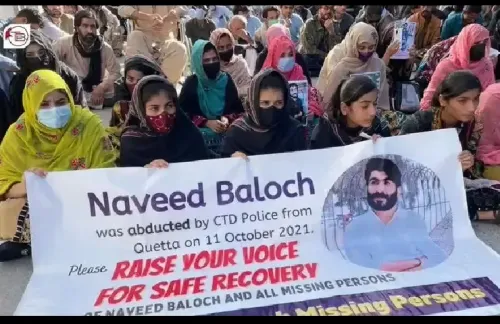
Last week, Baloch activists, political figures, and human rights advocates expressed their apprehensions about the conditions in Balochistan, focusing on issues such as enforced disappearances and political representation during the Asma Jahangir Conference in Lahore, as reported by local media.
Sammi Deen Baloch, a central member of the Baloch Yakjehti Committee (BYC), participated in the conference and engaged in discussions with diplomats, politicians, and journalists. The BYC indicated that the conference served as a platform for Baloch representatives to highlight serious human rights concerns and advocate for the Baloch perspective.
During the conference, Sammi Deen Baloch met numerous UN officials, including the UN Special Rapporteur on the rights to freedom of peaceful assembly and of association, Gina Romero, and the UN Special Rapporteur on violence against women and girls, Reem Alsalem from Jordan, as well as the senior adviser to the UN Special Rapporteur on the situation of human rights defenders, Ed O’Donovan, according to The Balochistan Post.
In these discussions, Sammi Deen Baloch articulated concerns regarding restrictions on peaceful assembly and freedom of expression, highlighting that individuals are often denied the ability to protest or voice objections to state actions in Balochistan.
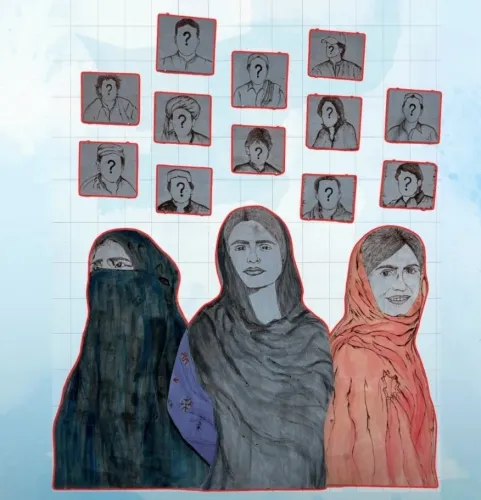
Moreover, she raised alarms about alleged violence against Baloch women, including enforced disappearances of women and minors, as well as what she described as unlawful detentions.
She drew attention to the systematic targeting of human rights activists, citing claims of threats, harassment, enforced disappearances, and arbitrary arrests, mentioning cases like Mahrang Baloch, Beebo Baloch, Gulzadi Baloch, and others.
According to a statement by BYC, UN representatives expressed their concerns over reported human rights abuses and committed to bring these issues to relevant UN forums.
Point of View
It is vital to recognize the ongoing challenges in Balochistan. The call for dialogue and justice made by religious scholars reflects a significant movement towards addressing the grievances of the Baloch people. The government's response will be crucial in determining the region's future stability and peace.
NationPress
24 Sept 2026
Frequently Asked Questions
What is the seminar about?
The seminar focused on 'Restoring Peace in Balochistan and Confidence-Building, the Institutional Responsibilities of Ulema and Mashaykh', emphasizing the need for dialogue and justice.
Who are the key figures involved?
Key figures include Maulana Ata ur Rehman, Allama Muhammad Juma Asadi, Maulana Anwar-ul-Haq Haqqani, and Qari Abdul Rehman Noorzai.
What are the main demands of the scholars?
The scholars demand a transparent probe into missing persons, job creation for local youth, and rightful resource allocation for Balochistan's development.
What happened at the Asma Jahangir Conference?
Baloch activists raised concerns about human rights violations, including enforced disappearances and lack of political representation.
How did UN representatives respond?
UN representatives expressed concern over reported human rights violations in Balochistan and pledged to address these issues at relevant forums.