Rijiju defends ₹10,000 Hajj airfare hike, rejects Owaisi's exploitation charge
Synopsis
The Centre says it saved Hajj pilgrims $200–$300 each by capping an airline demand of up to $400 at just $100 — but AIMIM's Owaisi isn't buying it, calling the ₹10,000 hike outright exploitation. With one lakh pilgrims registered for Hajj 2026, the political and logistical stakes of this standoff are high.
Key Takeaways
Kiren Rijiju defended a ₹10,000 (approx. $100) per-pilgrim airfare hike for Hajj 2026 on 30 April , citing rising aviation turbine fuel costs due to the West Asia conflict .
Airlines had originally demanded $300–$400 per pilgrim ; government negotiations capped the increase at $100 , saving pilgrims an estimated $200–$300 each .
AIMIM chief Asaduddin Owaisi called the hike "exploitation" and demanded immediate withdrawal of the circular and refund of amounts already collected.
The Ministry of Minority Affairs stated the decision was taken in good faith to protect one lakh registered pilgrims from disruption.
The hike applies uniformly across all embarkation points, irrespective of departure city.
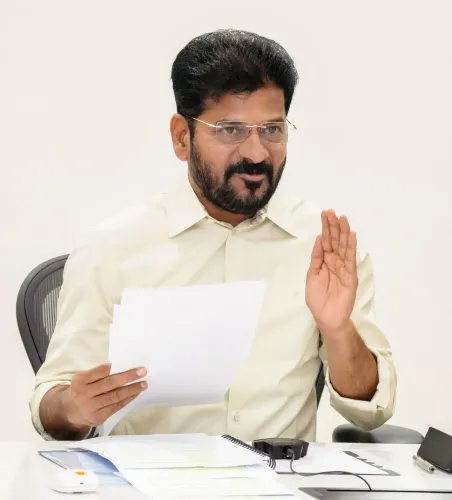
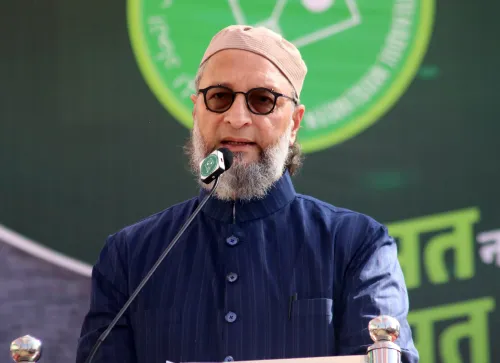
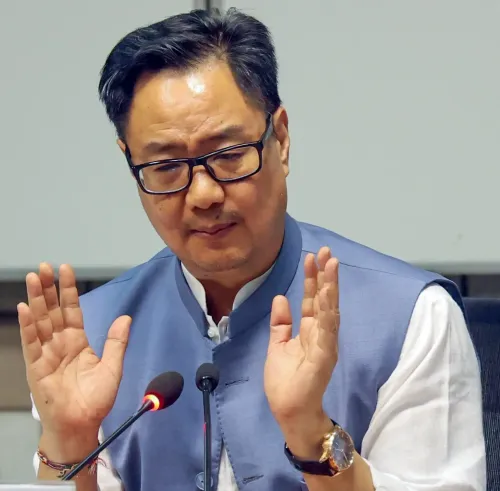
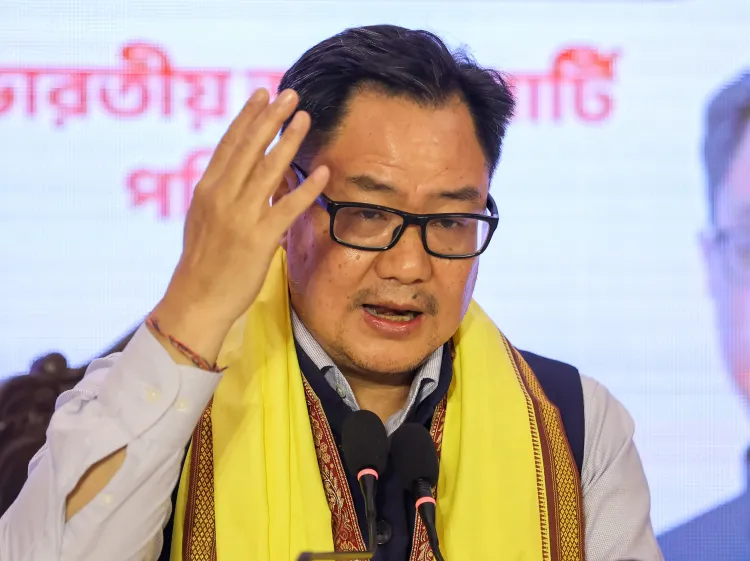
Union Minister of Minority Affairs Kiren Rijiju on Thursday, 30 April defended a proposed ₹10,000 hike in airfare per Hajj pilgrim, calling it a "minimal increase" necessitated by rising aviation turbine fuel costs amid the West Asia conflict. The clarification directly rebutted All India Majlis-e-Ittehadul Muslimeen (AIMIM) chief Asaduddin Owaisi, who had accused the Centre of "exploitation" and demanded an immediate rollback.
What Rijiju Said
Rijiju stated that aviation turbine fuel prices have surged globally due to ongoing geopolitical tensions in West Asia, creating what he described as a "distressing and gloomy" situation for airline operations. He said that airlines had originally demanded an increase of $300–$400 per pilgrim, but through government negotiations, the hike was restricted to just $100 per pilgrim.
Taking to X, Rijiju wrote, "We also can't blame Airlines for the rise in Aviation Turbine Fuel price. Through negotiations, we ensured the increase was restricted to just $100, saving each pilgrim a significant amount." He acknowledged Hajj as a "once-in-a-lifetime dream" for the Muslim community and said the minimal revision was agreed upon to prevent any disruption to Hajj 2026.
Ministry's Position on the Hike
The Ministry of Minority Affairs issued a formal statement describing the "grim realities" of the current geopolitical climate. It clarified that the $100 per pilgrim revision was uniform across all embarkation points and amounted to a saving of $200–$300 per pilgrim compared to what airlines had originally sought.
"This is not exploitation. This is the government absorbing pressure and protecting pilgrims from a far larger burden," the Ministry stated, adding that the decision was taken in good faith to ensure that the planned pilgrimage of one lakh registered pilgrims remains unaffected. It further asserted, "We remain committed to making Hajj accessible and affordable for every Muslim."
Owaisi's Charge and Demands
Earlier on Thursday, AIMIM chief Asaduddin Owaisi took strong exception to the ₹10,000 differential airfare circular issued to Hajj pilgrims. Writing on X, Owaisi said, "Are pilgrims being punished for going through the Hajj Committee? This is just exploitation and nothing else. Most pilgrims are not wealthy; they save money for years to afford the Hajj. This is not a luxury for them. The circular must be withdrawn immediately, and the pilgrims must be refunded the money taken from them."
Owaisi urged Rijiju to withdraw the circular that directed Hajj pilgrims to pay the additional amount in view of the crisis in the Gulf region. The demand reflects broader concerns among the Muslim community, many of whom save for years to fund the pilgrimage.
Context and Broader Impact
The dispute arises against the backdrop of sustained conflict in West Asia, which has driven up fuel costs and complicated airline operations on Gulf routes. This is not the first time Hajj airfare logistics have sparked political controversy in India — in past years, debates over subsidies, quota allocations, and airline charges have periodically flared between the Centre and opposition parties.
Notably, the Supreme Court had earlier directed the government to phase out Hajj subsidies, shifting the financial burden progressively onto pilgrims. The current hike, while framed by the government as a cost-containment measure, is landing in that politically sensitive context.
With Hajj 2026 preparations underway for one lakh registered pilgrims, the government's next steps — including whether it absorbs any portion of the increased cost or maintains the revised fare — will determine whether the controversy subsides ahead of the pilgrimage season.
Point of View
And any additional cost, however justified, lands hard. Owaisi's charge of exploitation will resonate regardless of the arithmetic, because the optics of a government circular asking pilgrims to pay more — mid-cycle, after registrations — are difficult to defend. The deeper question mainstream coverage is missing: why does India lack a structural fuel-cost buffer mechanism for Hajj operations, given this is a recurring geopolitical risk? A one-time revision framed as a favour is not a policy solution.
NationPress
19 Sept 2026
Frequently Asked Questions
Why has the Hajj 2026 airfare been increased by ₹10,000?
The ₹10,000 per-pilgrim hike reflects a $100 increase in airfare approved by the Ministry of Minority Affairs, driven by a surge in aviation turbine fuel prices caused by the ongoing West Asia conflict. The government says airlines had demanded $300–$400 per pilgrim, and negotiations brought it down to $100.
What did Asaduddin Owaisi say about the Hajj airfare hike?
AIMIM chief Asaduddin Owaisi called the ₹10,000 hike "exploitation," arguing that most pilgrims are not wealthy and save for years to afford Hajj. He demanded the Ministry of Minority Affairs immediately withdraw the circular and refund amounts already collected from pilgrims.
How many pilgrims are registered for Hajj 2026 from India?
According to the Ministry of Minority Affairs, one lakh pilgrims are registered for Hajj 2026. The government cited the need to protect this planned pilgrimage from disruption as a key reason for approving the revised fare.
Is the ₹10,000 hike applicable to all pilgrims equally?
Yes. The Ministry stated that the $100 revision is uniform across all embarkation points, meaning every registered Hajj pilgrim pays the same additional amount regardless of their departure city.
Has the government provided any subsidy or relief against the increased Hajj airfare?
The government has not announced a direct subsidy against the hike. It argues that by capping airline demands at $100 instead of $300–$400, it has effectively delivered a saving of $200–$300 per pilgrim, though no cash relief or reimbursement has been offered.