How Does Rubio Defend Visa Curbs and Tougher Vetting?
Synopsis
In a bold defense of the Trump administration’s visa and refugee policy changes, Secretary of State Marco Rubio emphasizes the importance of national security and the obligation to vet applicants thoroughly. His remarks highlight a significant shift in America's immigration approach, likely stirring discussions within India’s student and skilled-worker communities.
Key Takeaways
US visa policies have been tightened significantly.
Over 60,000 visas have been revoked or denied.
National security is the primary focus of these changes.
Concerns arise for Indian students and professionals.
Future policy changes for religious workers are anticipated.
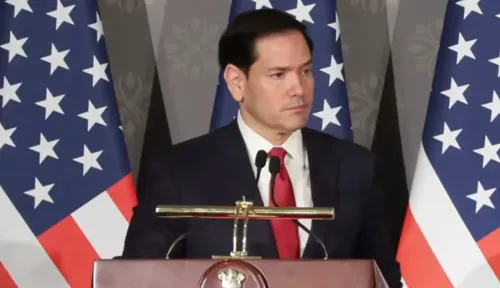
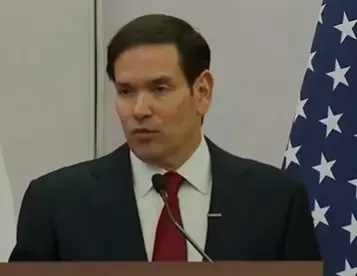
Washington, Dec 20 (NationPress) US Secretary of State Marco Rubio strongly defended the Trump administration's measures to tighten visa and refugee regulations, asserting that the United States has a duty to understand “who you are, why you’re coming, and what you’ve done in the past.” These statements are expected to resonate significantly among India's extensive student and skilled-worker populations.
During a comprehensive press conference, Rubio indicated that the administration has canceled or refused tens of thousands of visas within the last year, underlining that visas are a privilege rather than a right and should be in line with US national security priorities.
“Our visa system… must align with the national interest,” Rubio stated, emphasizing that the law empowers the US government “the right, and in fact the obligation” to revoke visas when individuals participate in activities that contradict American interests.
He noted that over 60,000 to 70,000 visas have been revoked or denied for various reasons, affecting both individuals already in the US and those seeking to re-enter. This group includes students, researchers, and visitors.
“If you have the authority to deny someone a visa before they acquire it, you certainly possess the authority to revoke it once they have it and engage in inappropriate actions,” he remarked.
Rubio firmly dismissed claims that the policy is punitive, arguing that visa revocations stem from security and legal concerns, not political motivations.
“Who you permit to visit your country should reflect the national interest,” he reiterated. “A visa is a privilege. It’s not a right.”
He also supported the administration’s decision to limit or cease refugee admissions, including those from religious minorities, citing years of inadequate vetting that allowed millions to enter the US.
“We know for a fact that some individuals in this country entered through a vetting process that was completely insufficient,” he said, noting that some applicants came from regions with unreliable record-keeping.
Rubio mentioned that the US continues to be “the most generous country in the world” regarding legal immigration, with nearly a million individuals expected to receive green cards this year. However, he warned that the period of what he described as “reckless migratory incompetence” has concluded.
“There is a strong desire in our country to halt this until we can rectify the processes,” he stated.
Regarding visa backlogs for foreign religious workers, including priests, Rubio indicated that the administration is preparing reforms and anticipates making an announcement “early next month” after discussions with religious leaders.
On the topic of student and diversity visa programs, he explained that recent suspensions aimed to investigate potential systemic flaws in the vetting procedures.
“You suspend the program to ascertain whether something… should have been a red flag but wasn’t identified,” he explained.
Rubio’s statements come amidst rising concerns among Indian students and professionals, who represent one of the largest segments of US visa holders, especially in higher education and skilled employment sectors.
His focus on revocation authority and post-entry scrutiny highlights a transition towards stricter enforcement that may impact not only new applicants but also those already residing in the US. Rubio asserted that this approach aligns with sovereignty and global standards.
“We have the right, like every sovereign nation, to understand who you are,” Rubio added, pointing out that many countries maintain “far more restrictive” immigration policies than the United States.
These comments reinforce the Trump administration’s broader message that immigration and visa policies will primarily be governed by national interest, security assessments, and enforcement. This stance is likely to provoke significant debate in India, where US education, work visas, and permanent residency are highly coveted.
Point of View
It's crucial to acknowledge the complexities surrounding immigration policies. While national security remains a priority, the implications for students and skilled workers, especially from India, cannot be overlooked. The administration's approach stresses the importance of vetting, yet it raises concerns about accessibility and fairness in the immigration process. Our coverage will continue to provide balanced perspectives on this evolving issue.
NationPress
22 Sept 2026
Frequently Asked Questions
What changes have been made to US visa policies?
The Trump administration has tightened visa and refugee policies, revoking or denying tens of thousands of visas over the past year.
How does this affect Indian students?
The changes have raised concerns among Indian students and professionals, who are among the largest groups of US visa holders.
What reasons did Rubio give for these changes?
Rubio emphasized national security and the need for proper vetting to ensure that individuals entering the US align with American interests.
Are there plans to improve the visa process?
Rubio indicated that the administration is working on changes to address visa backlogs, especially for foreign religious workers.
What is the overall message of the Trump administration regarding immigration?
The administration's stance emphasizes that immigration policies will prioritize national interests and security screening.