Pakistan exports fall 7.14% in FY26, trade deficit nears $32 billion
Synopsis
Pakistan's economy is under compounding stress — exports are shrinking, the trade deficit is heading toward $32 billion, fuel prices have been hiked again, equity markets are bleeding outflows, and remittances face a Gulf-driven slowdown. An IMF lifeline of over $1.2 billion may offer temporary relief, but the structural vulnerabilities are deepening.
Key Takeaways
Pakistan's exports in the first three quarters of FY26 stood at Rs 6.39 trillion , a 7.14% decline in rupee terms year-on-year.
The trade deficit is projected to reach as high as $32 billion by fiscal year-end, driven by surging imports of fuels, electrical equipment, and edible oils.
Petrol prices rose from PKR 399.86 to PKR 414.78 per litre; HSD from PKR 399.58 to PKR 414.58 per litre.
Equity market outflows have been exacerbated by the closure of several multinational firms , undermining FDI attraction efforts.
Remittances are expected to slow due to retrenchments and deportations from Gulf states .
The IMF is reportedly set to disburse more than $1.2 billion to Pakistan under its ongoing loan programme.
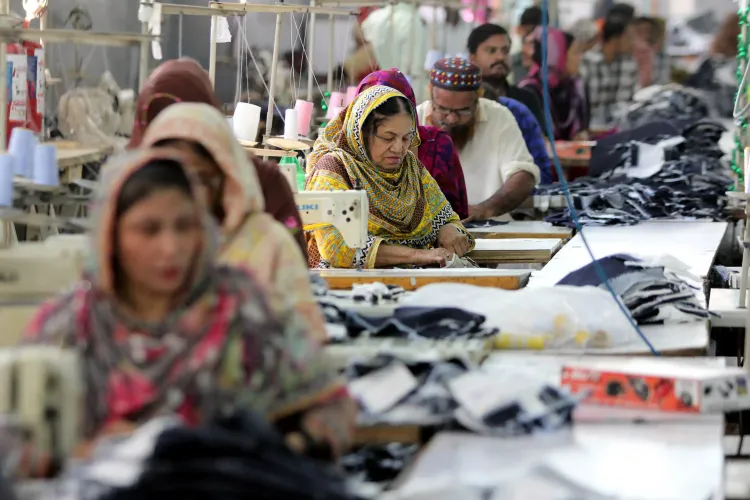
Pakistan's exports in the first three quarters of FY26 reached Rs 6.39 trillion, a 7.14% decline in rupee terms compared to the previous year, widening the country's trade deficit to alarming levels, according to a report by The Express Tribune. The deteriorating trade position comes as Pakistan's economy grapples with an adverse regional situation and mounting import pressures.
Trade Deficit at Record Levels
The trade deficit is anticipated to reach as high as $32 billion by the end of the fiscal year, according to the report. Despite government corrective measures, imports have continued to surge — driven primarily by purchases of fuels, electrical equipment, and edible oils — while exports have failed to keep pace. The report notes that Pakistan's 'managed exchange rate' policy has not delivered the desired results in boosting export competitiveness.
Fuel Prices Hiked Amid West Asia Tensions
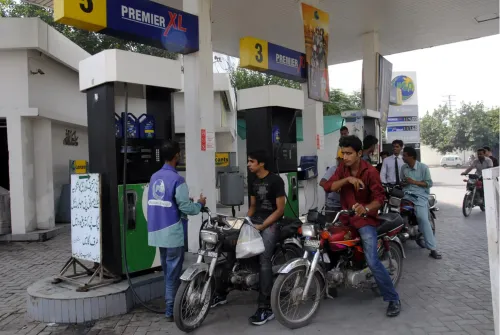
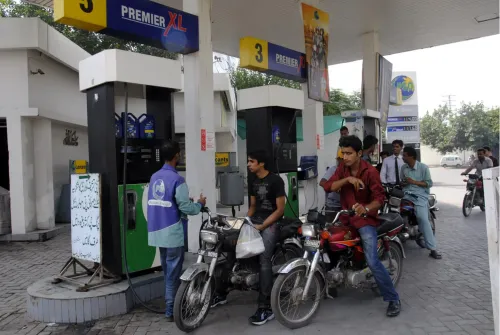
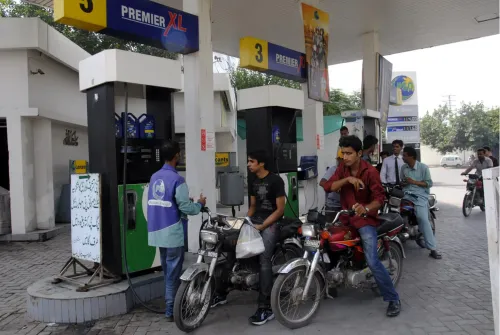
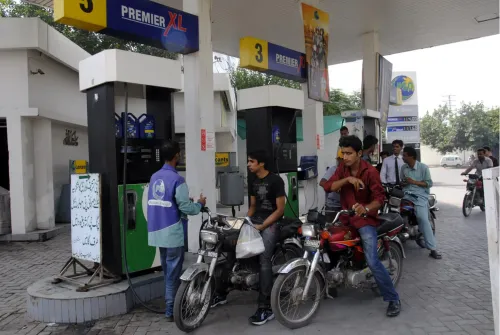
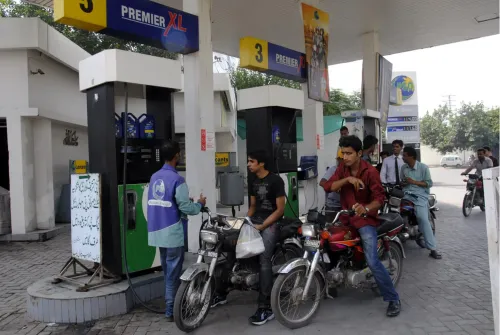
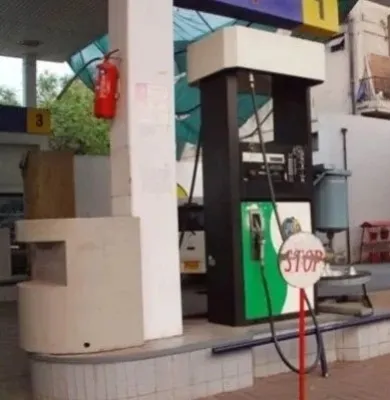
Adding to the economic strain, Pakistan has again raised fuel prices by approximately Rs 15 per litre each. According to an official notification from Pakistan's Ministry of Energy (Petroleum Division), the price of petrol has been increased from PKR 399.86 to PKR 414.78 per litre, while high-speed diesel (HSD) has gone up from PKR 399.58 to PKR 414.58 per litre. The hike comes amid the ongoing West Asia conflict, which has kept global energy costs elevated.
Equity Market Outflows and FDI Concerns
Pakistan's equity market has also witnessed massive outflows, compounded by the closure of several multinational firms. The report states this
Point of View
Rising imports, equity outflows, and a fuel price hike that will feed into inflation. The managed exchange rate, intended to stabilise the rupee, appears to be suppressing export competitiveness rather than supporting it. The anticipated IMF disbursement of $1.2 billion will provide breathing room, but it does not address the structural imbalance between what Pakistan sells and what it buys. With Gulf remittances — a critical buffer — also under threat from deportations and retrenchments, Islamabad faces a tightening vice with few domestic levers left to pull.
NationPress
12 May 2026
Frequently Asked Questions
How much have Pakistan's exports declined in FY26?
Pakistan's exports in the first three quarters of FY26 reached Rs 6.39 trillion, a 7.14% decline in rupee terms compared to the same period the previous year. The fall has been a key driver in widening the country's trade deficit.
What is Pakistan's projected trade deficit for FY26?
The trade deficit is anticipated to reach as high as $32 billion by the end of FY26, according to a report by The Express Tribune. Surging imports of fuels, electrical equipment, and edible oils have outpaced any growth in exports.
Why has Pakistan hiked petrol and diesel prices?
Pakistan raised petrol prices from PKR 399.86 to PKR 414.78 per litre and HSD from PKR 399.58 to PKR 414.58 per litre, amid elevated global energy costs linked to the ongoing West Asia conflict. The hike was announced via an official notification from Pakistan's Ministry of Energy (Petroleum Division).
How are Gulf remittances affecting Pakistan's economy?
Remittances to Pakistan are expected to slow due to retrenchments and deportations of Pakistani workers from Gulf states. Remittances have historically been a key buffer for Pakistan's balance of payments, and a decline would add further pressure to an already strained external account.
Is the IMF providing financial assistance to Pakistan?
The IMF is reportedly set to disburse more than $1.2 billion to Pakistan under its ongoing loan programme. While this will offer short-term relief, analysts note it does not address the structural trade and fiscal imbalances Pakistan faces.