Russia resumes Ukraine offensive after ceasefire ends, cites 30,383 violations
Synopsis
Russia's three-day Victory Day ceasefire with Ukraine has ended, with Moscow immediately accusing Kyiv of over 30,000 violations and nearly 6,000 drone attacks during the pause. Even as the guns resumed firing, Kremlin spokesman Dmitry Peskov hinted that a peace settlement is 'near' — a rare diplomatic signal in the middle of an active offensive.
Key Takeaways
Russia resumed its special military operation in Ukraine after the ceasefire expired at 24:00 on 11 May 2025 .
Moscow accused Kyiv of 30,383 ceasefire violations, including 859 artillery and rocket attacks and 5,825 drone strikes.
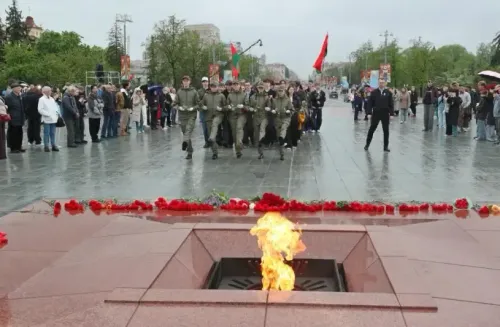
The ceasefire was declared by President Vladimir Putin to mark the 81st anniversary of Soviet victory in World War II .
Kremlin spokesman Dmitry Peskov said a peace settlement is "near" but declined to offer specific dates or targets.
Russian forces stated they strictly held their positions throughout the ceasefire period.
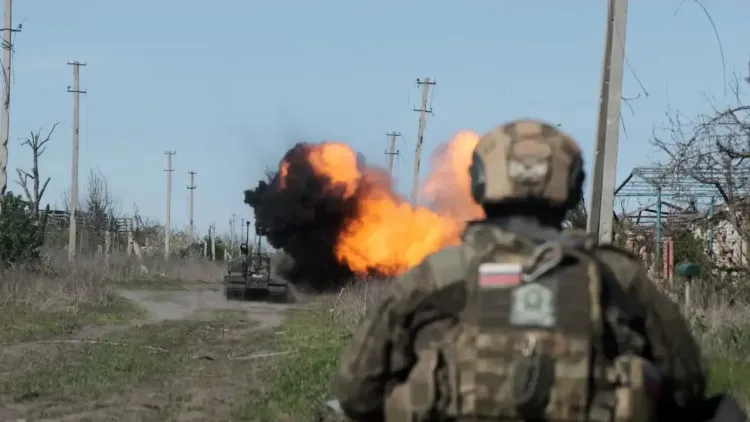
Russia has resumed its "special military operation" in Ukraine following the expiry of a three-day ceasefire, the Russian Ministry of Defence announced on Tuesday, 13 May 2025. The ministry accused Kyiv of committing 30,383 ceasefire violations during the pause in fighting, a claim Ukraine has not independently verified.
End of the Ceasefire
The ceasefire, which ran from midnight on 8 May to 24:00 on 11 May, was declared by Russian President Vladimir Putin to coincide with celebrations marking the 81st anniversary of the Soviet Union's victory in World War II — known in Russia as the Great Patriotic War. The Russian Ministry of Defence stated that all Russian troop groups strictly observed the pause and remained at their previously occupied positions throughout the period.
Russia's Allegations Against Ukraine
According to the Russian Defence Ministry, Ukraine carried out 859 attacks on Russian positions using rocket launchers, artillery, and mortars during the ceasefire window, and conducted a further 5,825 drone attacks. The ministry added that Russian armed forces responded to these actions by firing back at rocket launchers, artillery, and mortar positions, including unmanned aerial vehicle (UAV) launch sites. These figures are sourced exclusively from the Russian side and have not been independently corroborated.
Kremlin Signals Peace Process Progress
Despite the resumption of hostilities, Kremlin spokesman Dmitry Peskov offered a cautiously optimistic note at a briefing on Tuesday. He stated that significant groundwork had already been laid toward a settlement, though he stopped short of offering any specific timelines or targets. "The wealth of work in the peace process allows us to say that completion is indeed near," Peskov said. "But in this context, it's impossible to talk about specifics at this point." The remarks come amid ongoing international diplomatic efforts to broker a durable end to the conflict, which has now stretched into its third year.
Background and Context
The ceasefire was first announced by the Russian Ministry of Defence on 7 May, framed as a humanitarian gesture tied to the Victory Day commemorations. This is not the first time a short-term ceasefire in the conflict has collapsed amid mutual accusations — previous pauses have similarly ended with both sides blaming the other for violations. Notably, the ceasefire's original stated end date of 10 May was reportedly extended to 11 May, though the extension was not widely acknowledged by either side in official communications. The resumption of operations deepens uncertainty over whether the diplomatic signals from Moscow will translate into any concrete movement toward negotiations.
What Comes Next
With the special military operation back in full swing, international observers and mediating nations will be watching closely to see whether the Kremlin's peace signals are backed by any verifiable steps. The next major diplomatic checkpoint remains unclear, with Peskov declining to specify dates or formats for any prospective talks.
Point of View
383 violation figure is precise enough to sound authoritative but impossible to independently verify, which is precisely the point. More significant is Peskov's peace signal: it is the clearest Kremlin hint at a settlement in months, yet it arrives without any verifiable concession or format for talks. Whether it reflects genuine diplomatic momentum or is designed to soften international pressure while operations continue on the ground is the question that mediators and Western capitals will be urgently trying to answer.
NationPress
26 Sept 2026
Frequently Asked Questions
Why did Russia declare a ceasefire in Ukraine in May 2025?
Russia declared a three-day ceasefire from midnight on 8 May to 11 May 2025 to coincide with celebrations marking the 81st anniversary of the Soviet Union's victory in World War II, known in Russia as Victory Day. The ceasefire was announced by the Russian Ministry of Defence on 7 May on the orders of President Vladimir Putin.
What happened after the Russia-Ukraine ceasefire ended?
Russia resumed its special military operation in Ukraine immediately after the ceasefire expired at 24:00 on 11 May 2025. The Russian Ministry of Defence announced the resumption and accused Ukraine of committing 30,383 ceasefire violations during the pause.
How many violations did Russia accuse Ukraine of during the ceasefire?
Russia accused Ukraine of 30,383 ceasefire violations in total, including 859 attacks using rocket launchers, artillery, and mortars, and 5,825 drone attacks on Russian positions. These figures have not been independently verified.
What did Kremlin spokesman Dmitry Peskov say about peace talks?
Kremlin spokesman Dmitry Peskov said on Tuesday that significant groundwork had been laid toward a settlement in Ukraine and that completion of the peace process is 'near.' However, he declined to provide any specific dates, formats, or targets for prospective negotiations.
Did Russia extend the ceasefire beyond 10 May?
The ceasefire was originally announced to run until 10 May but reportedly continued until 24:00 on 11 May, according to the Russian Ministry of Defence's statement on the resumption of operations. The extension was not widely confirmed in formal communications from either side.