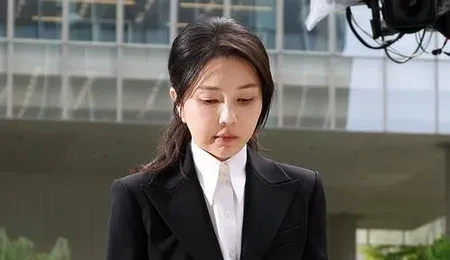
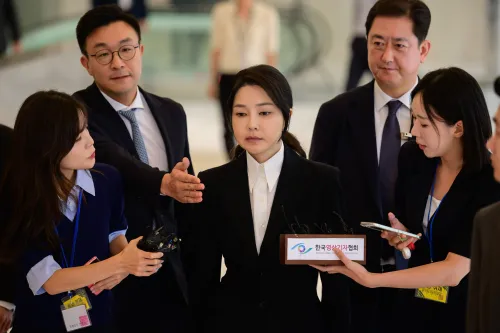
South Korea's Supreme Court extends Kim Keon Hee's detention by two months
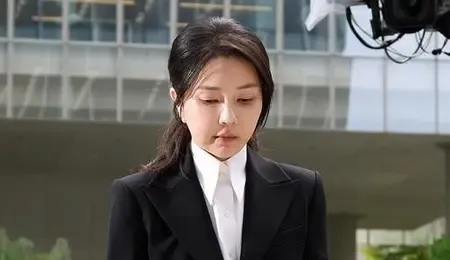
Synopsis
South Korea's Supreme Court has extended former first lady Kim Keon Hee's detention by two more months as she simultaneously faces a four-year corruption sentence and a five-year bribery sentence on appeal. With the full bench yet to rule and a Special Counsel pressing fresh charges, her legal ordeal — now stretching past a year behind bars — shows no sign of a quick resolution.
Key Takeaways
South Korea's Supreme Court issued a new arrest warrant for former first lady Kim Keon Hee on 27 October 2026 , extending her detention by two months .
The warrant was sought by Special Counsel Min Joong-ki's team under the bribery case, as her existing corruption-case warrant was set to expire before a final verdict.
Kim faces two separate trials: a four-year appellate sentence for corruption and a five-year appellate sentence for bribery.
She has been held at the Seoul Nambu Detention Centre since August 2025 and attended Tuesday's hearing virtually.
Her lawyers have flagged health concerns, including mental strain and prolonged use of psychiatric medication.
Under South Korea's Criminal Procedure Act , detention can be extended up to a maximum of six months in principle.
South Korea's Supreme Court on Tuesday, 27 October 2026, issued a new arrest warrant for former first lady Kim Keon Hee, extending her custody by two months to prevent flight risk and potential destruction of evidence. Kim, the wife of impeached former President Yoon Suk Yeol, had been held at the Seoul Nambu Detention Centre since August 2025, and her existing detention was set to expire this Saturday.
Why the New Warrant Was Sought
The warrant request came from Special Counsel Min Joong-ki's team and was anchored to the second of two cases Kim currently faces at the Supreme Court — a bribery-related case. Her original detention warrant, tied to the first corruption case, was set to lapse before a final verdict could be delivered, necessitating the fresh order. The court handed down its decision within hours of the hearing, citing the twin grounds of flight risk and evidence tampering.
Kim's Two Ongoing Trials
Kim is simultaneously standing trial in two separate cases before the Supreme Court. The first involves corruption charges, for which an appellate court had sentenced her to four years in prison; the second concerns bribery, carrying an appellate sentence of five years. The first case was referred to the court's full bench in July, stretching proceedings considerably.
The corruption trial centres on allegations that Kim participated in a stock price manipulation scheme, accepted luxury gifts from the Unification Church, and received free opinion poll results from a self-proclaimed power broker. The bribery trial revolves around claims that she accepted expensive gifts from multiple individuals in exchange for facilitating job appointments and business favours.
Kim's Defence and Health Concerns
Kim attended Tuesday's hearing virtually from her detention facility. She reportedly dismissed the bribery allegations and pleaded her innocence during the video call. Her legal team has raised concerns about her deteriorating health, citing the mental toll of what they described as prolonged political attacks and extended use of psychiatric medication.
Legal Framework and What Comes Next
Under South Korea's Criminal Procedure Act, defendants are subject to an initial two-month detention period, extendable twice by up to two months each, for a maximum of six months in principle. The latest warrant keeps Kim in custody as the Supreme Court continues its review of both appellate rulings. The pace of proceedings — particularly in the corruption case now before the full bench — will determine how long her legal battle extends.
Point of View
But it also means Kim could remain incarcerated well before either appellate sentence is confirmed or overturned. The health concerns raised by her lawyers add a layer the court has so far not addressed publicly. For South Korean politics, her continued detention keeps the shadow of the Yoon presidency — already ended by impeachment — firmly in the headlines, complicating any rehabilitation narrative for his camp ahead of future elections.
NationPress
27 Oct 2026
Frequently Asked Questions
Why did South Korea's Supreme Court issue a new arrest warrant for Kim Keon Hee?
The Supreme Court issued the warrant to extend Kim Keon Hee's detention by two months after her existing warrant, tied to the corruption case, was set to expire before a final verdict. The court cited risk of flight and potential destruction of evidence as grounds for the extension.
What are the charges against Kim Keon Hee?
Kim faces two sets of charges. The first involves a stock price manipulation scheme, acceptance of luxury gifts from the Unification Church, and receiving free opinion poll results from a power broker. The second involves allegedly accepting expensive gifts from multiple individuals in exchange for facilitating job appointments and business favours.
How long has Kim Keon Hee been in detention?
Kim has been held at the Seoul Nambu Detention Centre since August 2025, making her detention period over a year as of the latest court order. The new warrant extends her custody by a further two months.
What sentences has Kim Keon Hee received so far?
Appellate courts have handed Kim a four-year prison sentence in the corruption case and a five-year sentence in the bribery case. Both sentences are currently under review by the Supreme Court and are not yet final.
Who is Kim Keon Hee?
Kim Keon Hee is the wife of former South Korean President Yoon Suk Yeol, who was impeached. She has been at the centre of major legal controversies in South Korea, with her cases before the Supreme Court attracting significant national attention.