Samudra Manthan scheme: ₹84,084 crore to boost India's offshore energy
Synopsis
India's Cabinet has cleared a ₹84,084 crore offshore energy push under the Samudra Manthan scheme — one of the largest exploration outlays in the country's history. With India spending ₹13 lakh crore a year on oil imports and holding vast untapped offshore reserves, the scheme is as much a fiscal relief measure as it is an energy strategy.
Key Takeaways
The Union Cabinet approved the Samudra Manthan National Offshore Exploration Scheme with an outlay of ₹84,084 crore for implementation through FY31 .
The scheme targets reserve accretion of over 600 million metric tonnes of oil equivalent (MMTOE) .
India spends nearly ₹13 lakh crore ($144 billion) annually on crude oil and natural gas imports, as the world's third-largest oil consumer.
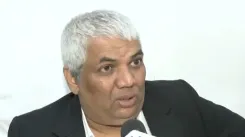
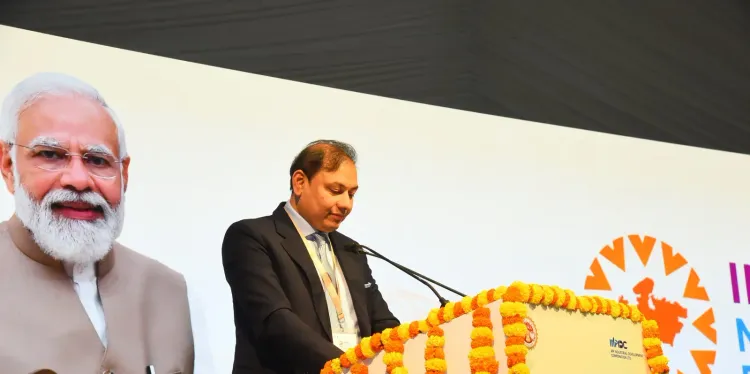
Adani Enterprises Director Pranav Adani called the scheme 'a landmark step' towards unlocking India's offshore energy potential, in a post on X .
The scheme aims to generate employment and boost indigenous manufacturing under Make in India and Atmanirbhar Bharat .
The Centre's newly approved Samudra Manthan National Offshore Exploration Scheme, backed by an outlay of ₹84,084 crore, will unlock India's vast offshore energy potential and strengthen the country's long-term energy security, Adani Enterprises Director Pranav Adani said on Saturday, 1 August. The Union Cabinet, chaired by Prime Minister Narendra Modi, cleared the scheme for implementation through FY31, targeting accelerated domestic oil and gas exploration.
What the Scheme Covers
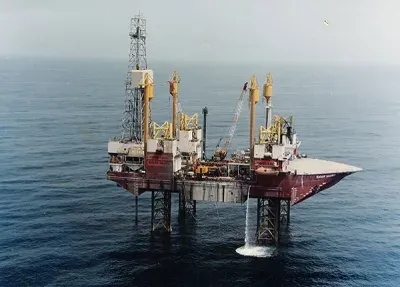
The Samudra Manthan scheme is designed to build a robust offshore exploration ecosystem through better geological data, risk-sharing mechanisms, common infrastructure, and stronger domestic manufacturing capabilities. The government expects it to catalyse reserve accretion of over 600 million metric tonnes of oil equivalent (MMTOE) and attract fresh investments across the exploration and production value chain.
The initiative also aims to generate employment and promote indigenous manufacturing under the 'Make in India' and 'Atmanirbhar Bharat' programmes — connecting energy policy to the broader industrial self-reliance agenda.
What Pranav Adani Said
'India's energy exploration landscape is entering an era of unprecedented scale. Guided by Prime Minister Narendra Modi's visionary leadership for India's energy security, the Union Cabinet's approval of the Samudra Manthan scheme marks a landmark step towards unlocking our vast offshore energy potential,' Pranav Adani said in a post on social media platform X.
He added that the scheme would accelerate domestic exploration and production, foster greater collaboration across the industry, and strengthen the foundations of an energy-secure Viksit Bharat.
Why It Matters for India's Energy Security
India is currently the world's third-largest consumer of crude oil, spending nearly $144 billion — approximately ₹13 lakh crore — annually on oil imports. The Petroleum Ministry noted that reducing this dependence through domestic exploration is critical to improving energy resilience and meeting the country's rising energy demand.
This comes amid sustained pressure on India's current account from elevated global crude prices, making domestic reserve development a strategic imperative rather than a discretionary policy choice.
Industry Collaboration and Next Steps
The scheme is expected to foster greater coordination across the oil and gas sector, bringing together public sector undertakings and private players in a shared exploration framework. With implementation running through FY31, the timeline allows for phased investment deployment and progressive reserve accretion.
As the government moves towards operationalising the scheme, the focus will be on translating the ₹84,084 crore outlay into verifiable exploration milestones — and ultimately into a measurable reduction in India's import bill.
Point of View
084 crore outlay is significant, but the real measure of success will be whether the risk-sharing and common infrastructure provisions actually draw private capital into high-cost deepwater blocks, where past auctions have seen tepid response. India's import bill has climbed despite earlier exploration incentives, suggesting that policy design — not just intent — is the variable that matters. The scheme's FY31 horizon gives it runway, but geological data quality and contract enforceability will determine whether 600 MMTOE remains a target or becomes a headline that joins a long list of unmet reserve projections.
NationPress
16 Sept 2026
Frequently Asked Questions
What is the Samudra Manthan scheme approved by the Union Cabinet?
Samudra Manthan is the National Offshore Exploration Scheme approved by the Union Cabinet with an outlay of ₹84,084 crore for implementation through FY31. It aims to accelerate domestic offshore oil and gas exploration, build a shared infrastructure ecosystem, and reduce India's dependence on crude oil imports.
How much does India currently spend on oil imports?
India spends nearly $144 billion — approximately ₹13 lakh crore — annually on crude oil and natural gas imports. The country is the world's third-largest consumer of crude oil, making import reduction a key strategic priority.
What reserve accretion does the Samudra Manthan scheme target?
The government expects the scheme to catalyse reserve accretion of over 600 million metric tonnes of oil equivalent (MMTOE). It is also projected to attract fresh investment across the exploration and production value chain and generate employment.
What did Pranav Adani say about the Samudra Manthan scheme?
Adani Enterprises Director Pranav Adani described the Cabinet's approval as 'a landmark step towards unlocking our vast offshore energy potential' in a post on social media platform X. He said the scheme would accelerate domestic exploration, foster industry collaboration, and strengthen the foundations of an energy-secure Viksit Bharat.
How does Samudra Manthan support Make in India and Atmanirbhar Bharat?
The scheme is designed to promote indigenous manufacturing capabilities as part of the broader Make in India and Atmanirbhar Bharat initiatives. By building domestic production capacity and reducing import dependence, it aligns offshore energy development with India's industrial self-reliance goals.