Is Sao Paulo's Metropolitan Region Facing a Drinking Water Crisis?
Synopsis
The metropolitan region of Sao Paulo is in the midst of a severe drinking water crisis as extreme weather and increased demand strain its resources. With a privatization of the sanitation sector, officials are urging residents to conserve water amidst alarming reservoir levels.
Key Takeaways
Sao Paulo is experiencing a severe drinking water crisis.
The crisis is fueled by extreme heat, increased demand, and drought.
Water consumption has surged by 60% recently.
Reservoirs are at critically low levels, operating at 26.42% capacity.
State authorities have initiated water rationing and conservation measures.
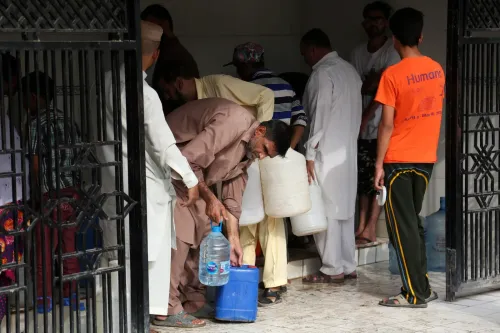
Sao Paulo, Dec 30 (NationPress) The metropolitan area of Sao Paulo, recognized as Brazil's most densely populated urban center, is grappling with a critical situation regarding its drinking water supply, according to officials.
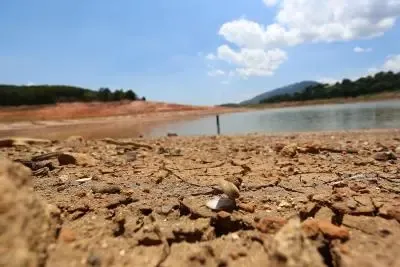
Authorities have indicated that this ongoing water emergency can be attributed to an extreme heat wave, a significant increase in water usage, and an extended period of drought that has depleted reservoirs to alarmingly low levels in this South American region, which is home to approximately 20 million residents, as reported by Xinhua news agency.
This crisis has surfaced alongside major transformations in the sanitation sector. In 2024, the government of Sao Paulo privatized the Basic Sanitation Company of Sao Paulo State (Sabesp), previously the largest public sanitation entity in Latin America, which has enforced sudden reductions in drinking water services since August.
A report from the Sao Paulo state government reveals that water consumption in the metropolitan area surged by as much as 60 percent last week, despite nearly 30 percent of the population being away from the region during the holiday season.
In light of this situation, state officials have intensified guidelines aimed at promoting responsible water usage and implementing “urgent actions to minimize waste.”
Since the initiation of rationing in August, an estimated 57 billion liters of water have been conserved, according to authorities.
Nevertheless, the combination of heightened consumption and insufficient rainfall continues to impact the water levels in the Integrated Metropolitan System, which is currently functioning at a mere 26.42 percent of its total capacity.
Point of View
It is imperative to acknowledge the gravity of the situation in Sao Paulo. The ongoing water crisis not only highlights the vulnerabilities in urban infrastructure but also raises concerns about the future of water management in densely populated areas. This situation calls for immediate attention and strategic planning from both government and community stakeholders to ensure sustainable water resources for all.
NationPress
2 Oct 2026
Frequently Asked Questions
What caused the drinking water crisis in Sao Paulo?
The crisis in Sao Paulo was triggered by a combination of extreme heat, increased water consumption, and ongoing drought conditions that have severely depleted reservoir levels.
How is the government responding to the water crisis?
In response to the crisis, the Sao Paulo state government has implemented guidelines for responsible water use, enforced water rationing, and privatized the sanitation company to address the urgent need for effective water management.
What measures have been taken to conserve water?
Since the introduction of rationing in August, authorities have reported saving an estimated 57 billion liters of water, while urging residents to adopt practices that minimize water waste.
What is the current status of water reservoir levels?
Currently, the Integrated Metropolitan System's reservoirs are operating at only 26.42% of their total capacity, exacerbating the water crisis.
How has water consumption changed recently?
Water consumption in metropolitan Sao Paulo surged by as much as 60% in the past week, despite many residents being away during the holiday period.