Assam CM Himanta Sarma pushes ₹11,000 crore cement plant to curb youth migration
Synopsis
Assam CM Himanta Sarma laid the foundation stone for a ₹1,800 crore cement plant in Dima Hasao — part of a ₹11,000 crore total commitment — as the state pushes to stem a long-running youth exodus driven by scarce local jobs. The move tests whether investment pledges can be converted into the kind of quality, locally-accessible employment that keeps young Assamese at home.
Key Takeaways
Assam CM Himanta Biswa Sarma laid the foundation stone for an integrated cement plant in Dima Hasao on 30 October 2026 .
Phase I of the plant involves an investment of ₹1,800 crore and is expected to create 1,000 jobs .
The investing company has committed a total of ₹11,000 crore in Assam, with Phase II to follow.
Sarma cited inadequate investment and limited private-sector employment as the key drivers of youth outmigration from Assam.
Most MoUs signed under the Advantage Assam 2.0 initiative have reportedly been grounded, per the Chief Minister.
The government aims to attract skilled professionals from across India and globally, not just retain local talent.
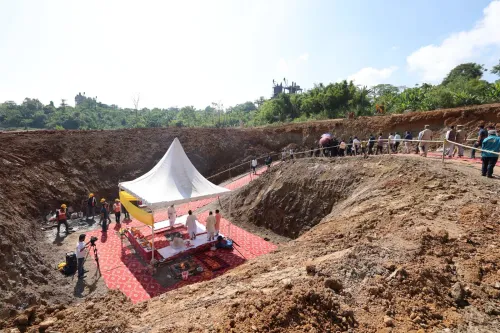
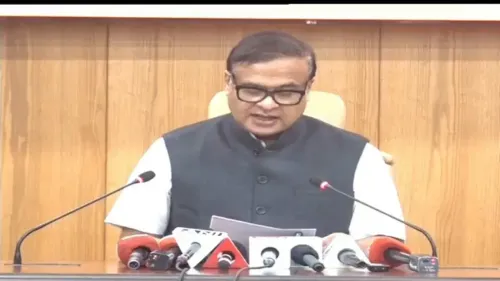
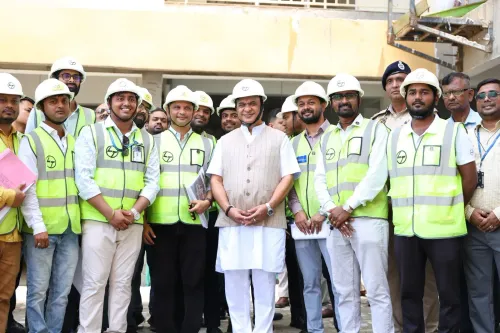
Assam Chief Minister Himanta Biswa Sarma on Friday, 30 October 2026, said his government is actively working to reverse youth outmigration from the state by drawing investments, scaling up industries, and generating employment locally — so that young Assamese no longer need to seek work elsewhere. Speaking at the foundation stone ceremony for an integrated cement plant in Dima Hasao, Sarma framed the event as evidence of his government's shift from investment pledges to ground-level implementation.
The Investment on the Table
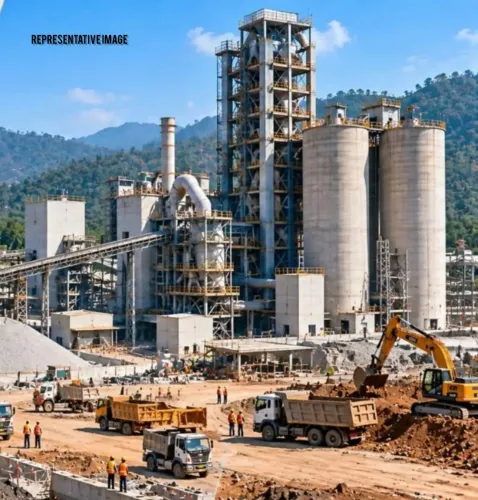
The Dima Hasao cement plant's first phase carries an investment commitment of ₹1,800 crore and is projected to generate 1,000 jobs. The company behind the project has pledged a total of ₹11,000 crore in Assam, with a Phase II to follow. Sarma cited this as a concrete example of moving beyond memorandums of understanding to actual construction on the ground.
Why Young Assamese Have Been Leaving
Sarma acknowledged that inadequate investment, a thin industrial base, and a heavy dependence on government and public-sector employment had historically driven young people out of Assam. He recalled the Covid-19 pandemic as a turning point in his thinking — watching students and workers stranded far from home because the state could not absorb them. 'Many of them continue to do so,' he noted, underlining the scale of the challenge.
Peace, Security and the Investment Climate
The Chief Minister linked the state's improving investment climate to the peace accords and security gains achieved in recent years. Stability, he argued, had created momentum for development. He added that the government's long-term ambition extends beyond retaining local talent — Assam, he said, should become capable of attracting skilled professionals from across India and the world.
Advantage Assam 2.0 and the Road Ahead
Sarma said most memorandums of understanding signed under the Advantage Assam 2.0 initiative had been grounded, signalling a pivot from announcements to execution. Notably, the state's employment challenge will ultimately depend not just on investment figures but on how quickly projects become operational, the quality of jobs created, and how effectively local residents secure those positions. The government's stated goal is to broaden opportunity beyond public employment and build a diversified, competitive industrial economy in Assam.
Point of View
However large, cannot by itself absorb the outmigration pressure from a state of over 35 million people where public employment remains the default career ambition. The harder question is whether Advantage Assam 2.0 MoUs translate into sustained job creation for residents rather than migrant labour imported for construction phases. Assam's track record on investment-to-operational conversion, and the quality of jobs that emerge, will be the real test of this pivot — not the ₹11,000 crore headline.
NationPress
30 Oct 2026
Frequently Asked Questions
What did Assam CM Himanta Biswa Sarma announce on 30 October 2026?
Sarma laid the foundation stone for an integrated cement plant in Dima Hasao with a Phase I investment of ₹1,800 crore, expected to create 1,000 jobs. The investing company has committed a total of ₹11,000 crore in Assam across multiple phases.
Why are young people leaving Assam?
According to Sarma, young Assamese have been migrating because of inadequate private investment, a limited industrial base, and over-reliance on government employment. The Covid-19 pandemic highlighted the scale of the problem when students and workers were found stranded in distant states with no local jobs to return to.
What is the Advantage Assam 2.0 initiative?
Advantage Assam 2.0 is an investment-attraction initiative run by the Assam government aimed at drawing large-scale industrial commitments to the state. Sarma said most MoUs signed under the initiative have been grounded, indicating a move from announcements to actual project implementation.
How does improved security in Assam relate to investment?
Sarma linked the better investment climate directly to peace accords and improved internal security in the state. He argued that political stability had created the confidence necessary for businesses to commit long-term capital to Assam.
Will local residents benefit from the new jobs?
The government has stated its ambition to ensure local people secure the jobs created, but analysts note that the extent of local hiring will depend on the skill sets required, the pace of operationalisation, and whether recruitment policies prioritise Assam residents.