Why is the Saudi Arabian Embassy Delaying the Repatriation of a Youth's Mortal Remains?
Synopsis
The Rajasthan High Court has taken a significant step by issuing a notice to the Saudi Arabian embassy regarding the delayed repatriation of a youth's remains. This rare judicial action highlights the urgency of the matter as the family seeks closure after weeks of waiting.
Key Takeaways
The High Court's notice to the Saudi Arabian embassy shows the seriousness of the delay in repatriation.
The case highlights the emotional toll on families waiting for closure.
Legal experts regard the court's intervention as a crucial step in humanitarian law.
The next hearing will involve both governments, emphasizing international cooperation.
This case raises awareness about the challenges faced by families of Indians abroad.
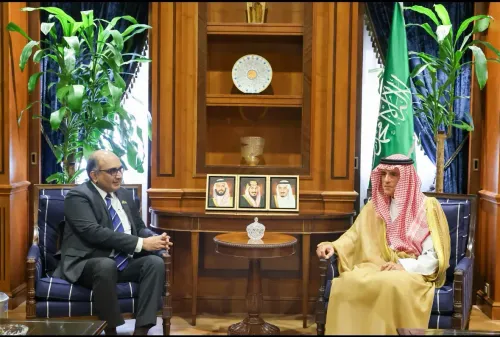
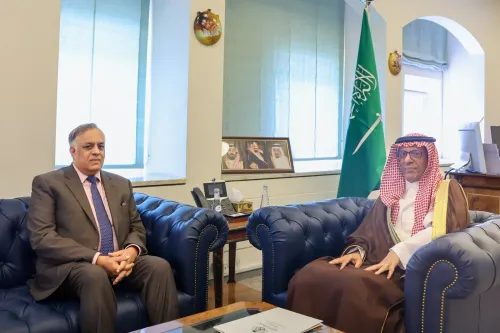
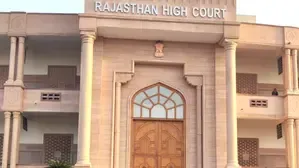
Jaipur, Dec 12 (NationPress) The High Court has issued a notice to the Saudi Arabian embassy in Delhi, demanding clarification regarding the extensive delay in returning the mortal remains of a Rajasthan youth who passed away on November 13, leaving his family in deep sorrow.
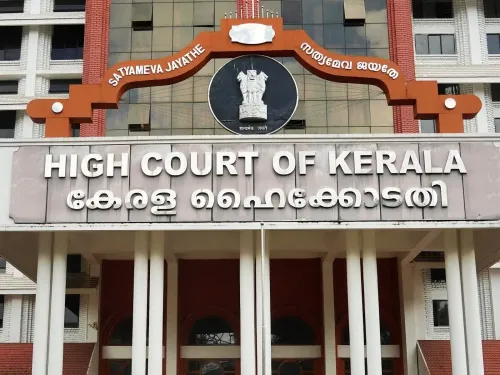
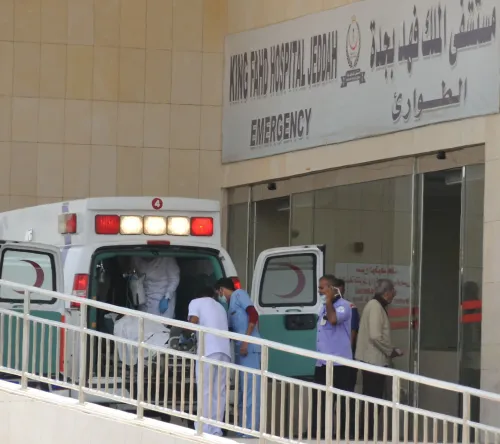
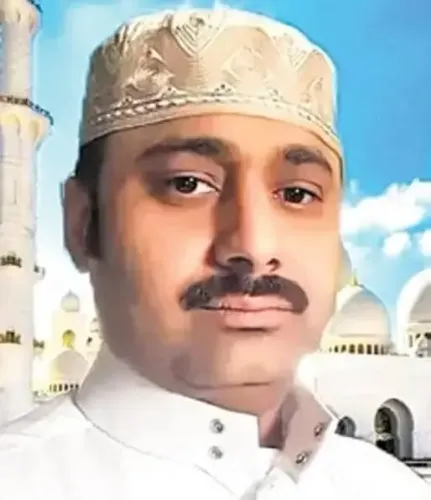
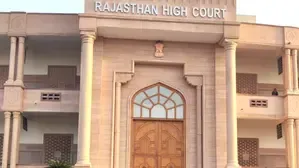
The Rajasthan High Court in Jodhpur intervened in this matter, serving a notice to the Saudi Arabian government on Thursday after the body of Ramesh Kumar Meghwal, a native of Balotra district, had not been dispatched even after 28 days post his demise.
Justice Nupur Bhati requested a reply from the Kingdom of Saudi Arabia through its embassy in New Delhi, following a petition lodged by the deceased’s mother, Teeju Bai.
Legal analysts view this as a crucial judicial move, as it is uncommon for a notice to be issued to a foreign government in matters of humanitarian concern.
The next court hearing is set for December 17, where representatives of both the Saudi and Indian governments will present their cases.
Ramesh Kumar Meghwal, from Meghwalon Ki Dhani in Gida tehsil, died under suspicious conditions in Saudi Arabia on November 13.
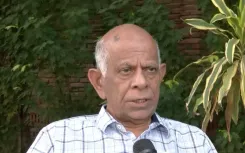
As weeks passed without the return of the body, Charmesh Sharma, former Director of the Rajasthan Seeds Corporation and known for assisting distressed Indians abroad, filed grievances with the President’s Secretariat, the National Human Rights Commission, and the Ministry of External Affairs. The President's Secretariat instructed the Ministry of External Affairs to take action, which they subsequently did.
However, after 27 days without progress in the repatriation, the bereaved family, aided legally by Sharma, approached the High Court. On Wednesday, Ramesh’s mother, Teeju Bai, submitted a petition through advocates Sushil Vishnoi and Sunil Purohit, pleading for a final opportunity to see her son. Recognizing the urgency, the High Court scheduled the hearing for the following day.
Besides the Saudi Embassy, the court also sent notices to the Government of India via Foreign Secretary Vikram Misri, the Joint Secretary for Gulf Countries at the Ministry of External Affairs, and the Government of Rajasthan through its Home Secretary.
Advocate Sushil Vishnoi represented the petitioner, while ASG Bharat Vyas appeared for the Indian government.
Following Sharma’s petition at the President’s Secretariat on November 25, the Indian Embassy in Saudi Arabia replied on November 26, indicating that the Saudi Police were still conducting an investigation.
The Embassy mentioned that the body would only be relinquished after the forensic medical report was completed. A No Objection Certificate (NOC) could only be issued after the body was received. On December 3, the Indian Embassy in Riyadh provided Ramesh Kumar's death certificate, listing the cause of death as suicide. Nevertheless, the Embassy informed the family that they were unable to facilitate the return of the body due to the lack of the medical report from the Saudi Police.
Point of View
This case underscores the critical importance of timely action in humanitarian matters. The judicial notice issued by the Rajasthan High Court reflects the judiciary's commitment to addressing grievances that impact families in distress, reinforcing the nation's dedication to ensuring justice and support for its citizens abroad.
NationPress
19 Sept 2026