Did Savarkar Establish the Roots of 'Cultural Nationalism'?
Synopsis
Union Home Minister Amit Shah pays tribute to Vinayak Damodar Savarkar, commemorating his contributions to 'Cultural Nationalism' during a significant event in Sri Vijayapuram. As he highlights Savarkar’s dual legacy as a writer and fighter, Shah calls for the propagation of his ideology, emphasizing its relevance in today’s India.
Key Takeaways
Vinayak Damodar Savarkar is hailed as a pivotal figure in establishing 'Cultural Nationalism' .
HM Amit Shah encourages the propagation of Savarkar's ideology among future generations.
Savarkar's contributions to literature are notable, enriching the Hindi language with new vocabulary.
The unveiling of Savarkar's statue symbolizes sacrifice and dedication to Mother India.
The Cellular Jail is a significant historical site connected to Savarkar's legacy.
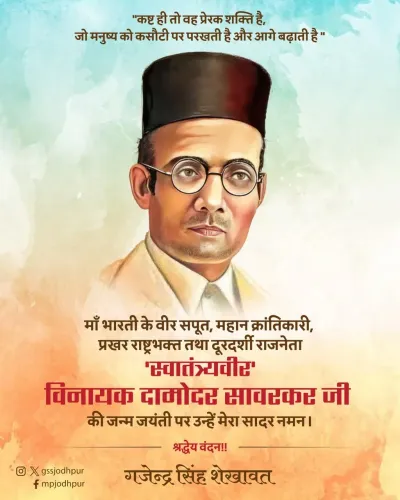
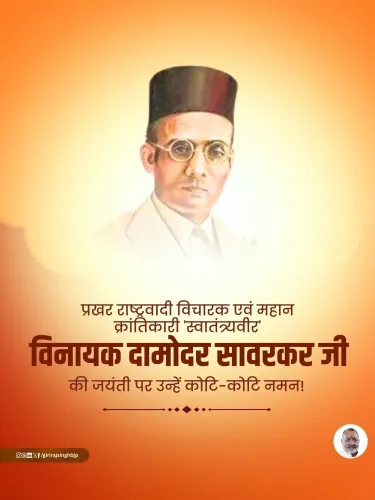
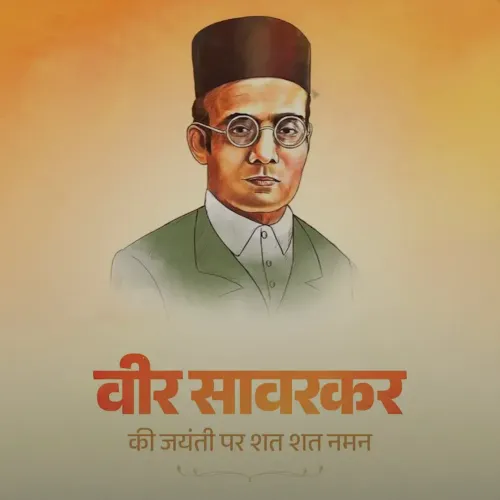
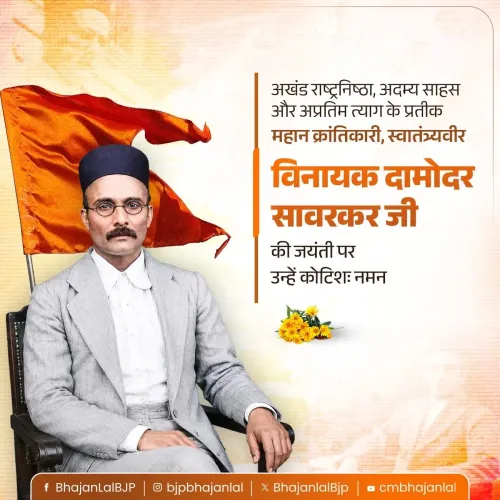
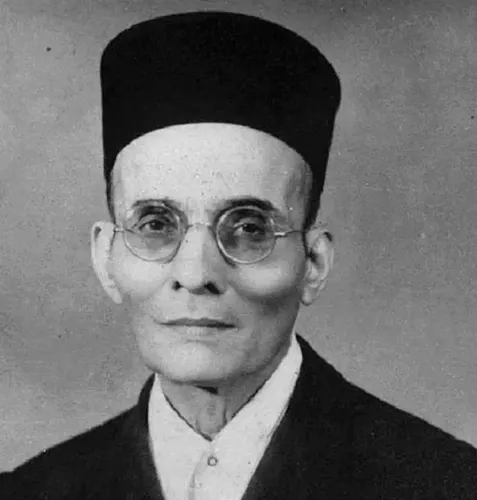
Sri Vijayapuram, Dec 12 (NationPress) Union Home Minister Amit Shah on Friday honored freedom fighter Vinayak Damodar Savarkar, acknowledging him as both a writer and a fighter who established the groundwork for 'Cultural Nationalism'.
While addressing an event in Sri Vijayapuram (Andaman and Nicobar), commemorating 115 years since the release of Savarkar's poetry collection, 'Sagara Prana Talamalla', HM Shah stated, “The essence of Savarkar's ideology must be shared and embraced by parents for future generations.”
He credited Savarkar with defining the concept of 'Cultural Nationalism', an ideology that continues to guide the government under Prime Minister Narendra Modi.
The Home Minister remarked that Savarkar was not only a writer but also a fighter, describing him as a natural patriot and a visionary.
Additionally, Savarkar was a social reformer, poet, and author. HM Shah noted that few writers achieve proficiency in both prose and poetry.
“My deep exploration of his literature leaves me pondering whether he was a superior poet or writer; he excelled at both. Furthermore, he became a remarkable linguist, enriching our language with around 600 new words,” he remarked.
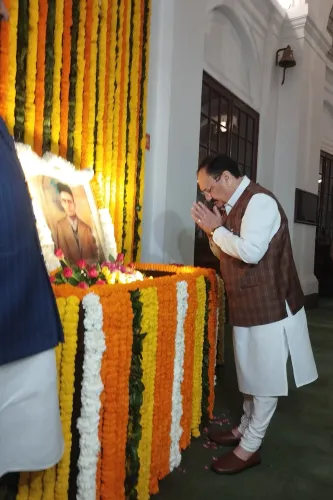
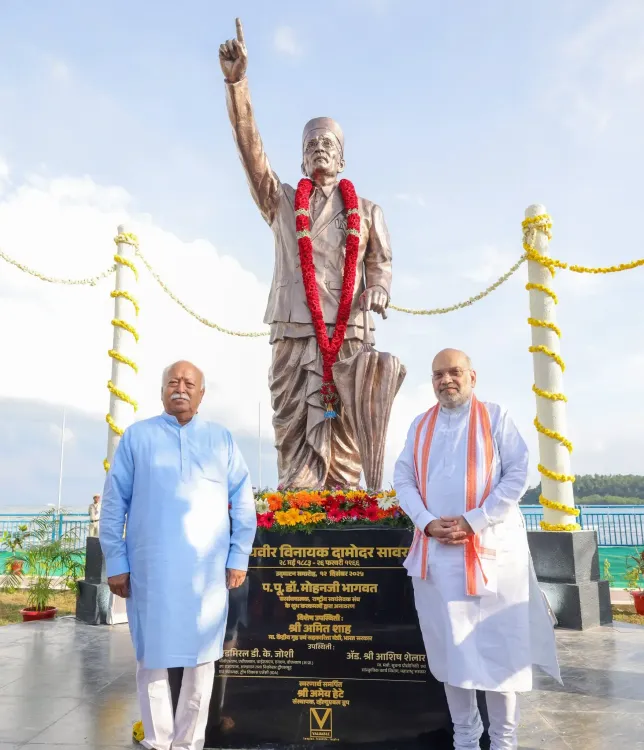
During the unveiling of his statue by RSS chief Mohan Bhagwat, HM Shah expressed, “This statue of Savarkar Ji embodies the sacrifice, determination, and dedication he exhibited for Mother India while imprisoned in the Cellular Jail.”
“It serves as an inspiration for generations to come, encapsulating the messages of courage, duty towards the motherland, steadfastness, national unity, and dreams of a prosperous nation,” he added.
He highlighted that prior to India’s independence, any prisoner sent to the Cellular Jail was often forgotten by their families.
“Historically, it was thought that no one could survive this jail, yet it has transformed into a pilgrimage site for all Indians due to Savarkar's enduring legacy during his hardships here,” he noted.
HM Shah also spoke of the connection to Netaji Subhas Chandra Bose, mentioning that the Azad Hind Fauj first liberated the Andaman-Nicobar Islands, and that Subhas Babu had suggested renaming the islands 'Shaheed' and 'Swaraj', a proposal now implemented by PM Modi.
“The Andaman-Nicobar Islands represent a sacred ground where freedom fighters from across India made significant sacrifices,” stated HM Shah.
“Individuals from every province faced the gallows here. The unveiling of Savarkar's statue by the esteemed Dr. Mohan Bhagwat of the RSS, an organization dedicated to promoting Savarkar’s ideology, is a momentous occasion,” he concluded.
“This location is sacred, the memory of Savarkar is sacred, and this statue, unveiled by Bhagwat ji, will remain a cherished symbol forever,” he emphasized.
Point of View
It is imperative to recognize the significance of Vinayak Damodar Savarkar’s contributions to the ethos of our national identity. His vision of 'Cultural Nationalism' offers a framework for unity and resilience in contemporary India. Amit Shah's recent tribute underscores the need for a collective remembrance of our freedom fighters and the values they stood for.
NationPress
13 Sept 2026
Frequently Asked Questions
What is the significance of Savarkar's ideology?
Savarkar's ideology of 'Cultural Nationalism' emphasizes the importance of cultural heritage and national unity, which continues to influence contemporary Indian politics.
Why was the statue of Savarkar unveiled?
The statue was unveiled to honor Savarkar's sacrifice and dedication to India, serving as an enduring symbol for future generations.
What contributions did Savarkar make to literature?
Savarkar was a prolific writer, poet, and linguist, known for his ability to enrich the Hindi language with numerous words and expressions.
How does Savarkar's legacy connect to today's India?
Savarkar's legacy encourages a sense of national pride and unity, which aligns with the current government's vision for a strong and prosperous India.
What role did the Cellular Jail play in Savarkar's life?
The Cellular Jail was where Savarkar endured significant hardships, and today it stands as a pilgrimage site commemorating his sacrifices for India's freedom.