SBI flags two 25-bps RBI rate hikes in Oct, Dec as CPI hits 4.82%
Synopsis
SBI's research arm is sounding a clear alarm: India's inflation is no longer a food-price story — it has spread to 51 commodities and core prices are rising. With CPI potentially crossing 6.5% and a West Asia-driven oil shock looming, SBI is calling October and December the 'perfect pitch' for back-to-back RBI rate hikes of 25 bps each — the most direct rate-hike signal from a major public sector bank this cycle.
Key Takeaways
SBI's Ecowrap report (15 September 2026) calls for two successive 25-bps rate hikes at October and December 2026 MPC meetings.
CPI inflation rose to 4.82% in August 2026, up from 4.45% in July; food inflation reached 5.66% .
Inflation's commodity breadth nearly doubled: from 22 commodities driving 90% of CPI in January 2026 to 51 commodities by August.
Core inflation climbed to 4.16% in August from 3.87% in July, signalling demand-side pressure.
Rural inflation stands at 5.23% — significantly above the urban rate of 4.31% .
SBI warns CPI may cross 6.5% before easing below 6% in early 2027; the West Asia conflict could push crude above $100 per barrel .
The State Bank of India (SBI) has called for two successive 25-basis-point interest rate hikes at the Reserve Bank of India's (RBI) Monetary Policy Committee (MPC) meetings in October and December 2026, warning that inflation is becoming increasingly broad-based across the Indian economy. The recommendation, contained in SBI's latest Ecowrap research report released on Tuesday, 15 September 2026, comes as retail inflation accelerated to 4.82 per cent in August 2026, up from 4.45 per cent in July.
Inflation Broadening Across Commodities
SBI's analysis of Consumer Price Index (CPI) data reveals that price pressures are no longer confined to a narrow cluster of goods. In January 2026, just 22 commodities accounted for 90 per cent of the weighted contribution to CPI inflation. By August 2026, that number had risen to 51 commodities — a near-doubling in the breadth of inflation drivers within eight months.
Reinforcing this, the contribution of the top 25 commodities (excluding gold and silver) fell sharply from 83 per cent in January to 62 per cent in August. According to SBI, this indicates that inflation is being shared across a far wider basket, making targeted supply-side interventions less effective as a standalone policy tool.
Food and Core Inflation Both Rising
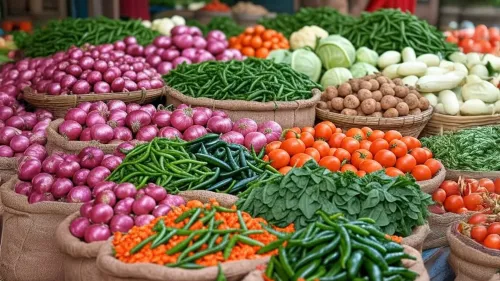
Food inflation climbed to 5.66 per cent in August, driven by elevated prices of select items including onions, ginger, and garlic. Rural inflation remained notably higher at 5.23 per cent against 4.31 per cent in urban areas, pointing to persistent supply-chain and agricultural stress in non-metro regions.
Equally concerning for policymakers, core inflation — which strips out food, fuel, household, and transport components — rose to 4.16 per cent in August from 3.87 per cent in July. A rising core reading typically signals that demand-side pressures are building, giving the RBI stronger justification for monetary tightening beyond a supply-shock response.
SBI's Rate Hike Forecast and the MPC 'Pitch'
SBI characterised the upcoming October and December MPC meetings as a 'perfect pitch' for nuanced rate hike decisions of 25 basis points each, to be followed by a pause while the committee assesses incoming data. The bank projected that CPI inflation could cross the 6.5 per cent mark before easing to below 6 per cent in early 2027. This would push headline inflation well above the RBI's upper tolerance band of 6 per cent, strengthening the case for pre-emptive tightening.
Notably, this marks a shift in the inflation narrative — earlier in 2026, price pressures were largely attributed to seasonal food volatility. The sustained rise in core inflation alongside broader commodity-level spread signals a more structural challenge for the central bank.
West Asia Conflict Adds Global Risk Layer
The inflation outlook faces additional headwinds from the global energy market. SBI flagged the ongoing West Asia conflict — which it noted has gained both depth and breadth — as a key upside risk to crude oil prices, potentially pushing them above $100 per barrel in the near term. India, which imports over 85 per cent of its crude oil requirements, remains particularly exposed to an energy price spike, which would feed directly into fuel, logistics, and manufacturing costs across the economy.
With the next MPC meeting approaching, all eyes will be on the RBI's response to SBI's warning — and whether the central bank opts to move proactively or wait for further data before adjusting its rate stance.
Point of View
However, is a frank reckoning with the demand impact of rate hikes on a still-recovering rural economy, where inflation is already running at 5.23%. Tightening to tame generalised inflation while rural purchasing power remains under stress is a genuinely difficult trade-off — one the MPC will have to navigate more carefully than SBI's 'perfect pitch' framing suggests.
NationPress
15 Sept 2026
Frequently Asked Questions
What is SBI recommending for RBI's upcoming MPC meetings?
SBI is recommending two successive rate hikes of 25 basis points each at the RBI's October and December 2026 MPC meetings, followed by a pause to assess incoming data. The bank describes these meetings as a 'perfect pitch' for a nuanced monetary tightening response to rising inflation.
Why is India's inflation considered broad-based now?
In January 2026, just 22 commodities accounted for 90% of weighted CPI inflation; by August 2026, that figure had risen to 51 commodities. SBI says this spread indicates inflation is no longer driven by a narrow set of goods, making it harder to address through supply-side measures alone.
What is India's current CPI inflation rate?
India's CPI inflation rose to 4.82% in August 2026, up from 4.45% in July. SBI projects it could cross 6.5% — above the RBI's upper tolerance band — before dropping below 6% in early 2027.
How does the West Asia conflict affect India's inflation?
The ongoing West Asia conflict could push crude oil prices above $100 per barrel, according to SBI. Since India imports over 85% of its crude oil, a sustained energy price spike would raise fuel, logistics, and manufacturing costs, adding further inflationary pressure.
What is core inflation and why does its rise matter?
Core inflation excludes food, fuel, household, and transport costs, making it a proxy for underlying demand-side price pressures. Its rise to 4.16% in August 2026 from 3.87% in July signals that inflation is no longer just a supply-shock phenomenon, giving the RBI stronger grounds for monetary tightening.