India CPI inflation at 3.93% in May 2025, stays below RBI's 4% target
Synopsis
India's retail inflation stayed below the RBI's 4 per cent ceiling for the second straight month in May 2025, but the calm may be short-lived. Crisil projects a sharp jump to a 5.1 per cent average this fiscal — nearly triple last year's 2.0 per cent — flagging fuel costs, currency risk, and monsoon uncertainty as the real threats ahead.
Key Takeaways
India's CPI inflation stood at 3.93 per cent in May 2025 , up from 3.48 per cent in April but still below the RBI's 4 per cent medium-term target.
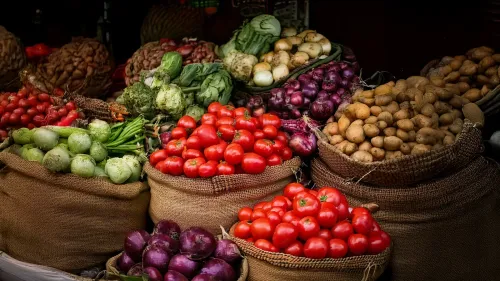
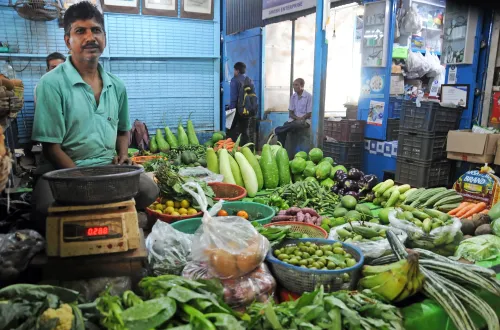
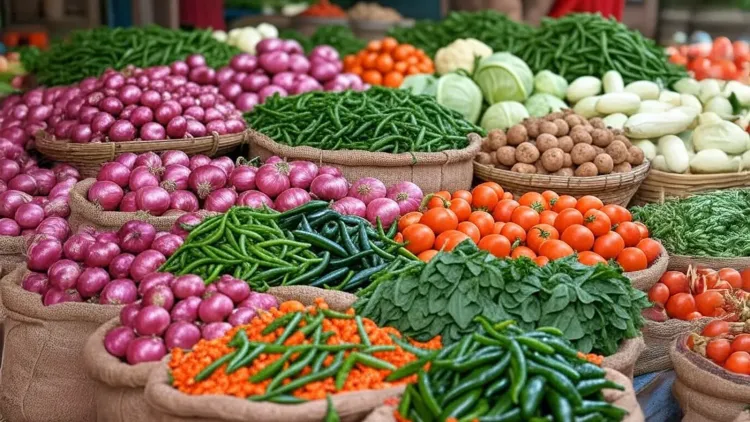
Food inflation rose to 4.78 per cent in May, driven by higher prices of tomatoes, ginger, and dry fruits .
Prices of potatoes, peas , and select consumer durables fell, partially offsetting food-price pressures.
Crisil projects average CPI inflation at 5.1 per cent this fiscal, up from 2.0 per cent last fiscal, citing fuel, currency, and monsoon risks.
PHDCCI described the short-term outlook as 'benign', crediting stable supply chains and government vigilance on food prices.
India's headline retail inflation eased to 3.93 per cent in May 2025 on a year-on-year basis, remaining below the Reserve Bank of India's (RBI) medium-term target of 4 per cent for the second consecutive month, according to the latest Consumer Price Index (CPI) data. Industry chamber PHDCCI said the reading reflects the resilience of India's macroeconomic fundamentals and the effectiveness of ongoing price-stability measures.
Key Inflation Readings
The 3.93 per cent May print marks a modest uptick from 3.48 per cent in April 2025, yet continues to hold within the RBI's comfort band. Food inflation rose to 4.78 per cent in May from 4.20 per cent in April, driven primarily by higher prices of tomatoes, ginger, and certain dry fruits. Offsetting these pressures, prices of potatoes, peas, and selected consumer durables declined sharply, helping contain the overall index.
What Industry Bodies Said
'While food prices remain subject to seasonal fluctuations, inflation across broad level continues to remain contained, supporting household purchasing power,' said Rajeev Juneja, President, PHDCCI. He attributed the benign trend to continued government vigilance on food-price developments, favourable agricultural production, and stable macroeconomic policies.
Dr. Ranjeet Mehta, Secretary General and CEO, PHDCCI, added: 'The short-term inflation outlook looks benign due to continued vigilance by the government on food-price developments, coupled with favourable agricultural production, improving supply conditions, and stable macroeconomic policies.'
Crisil's Outlook: Risks Ahead
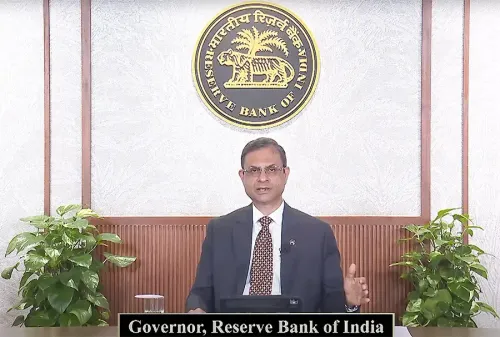
Not all analysts share an optimistic near-term view. Dipti Deshpande, Principal Economist at Crisil, projected that CPI inflation could average 5.1 per cent in the current fiscal year, up sharply from 2.0 per cent last fiscal. Key upside risks, according to Deshpande, include higher fuel prices, currency depreciation, second-round inflationary effects, and the possibility of weak monsoon rainfall. 'The Reserve Bank of India will likely look through these supply-side shocks while keeping a close watch on inflation expectations,' she said.
Sectoral Divergence and Supply Chain Dynamics
A notable divergence is visible within the inflation basket. Kharif crops such as tomato and ginger recorded elevated inflation in May, reflecting typical seasonal supply tightness. In contrast, prices of motor cars, jeeps, motorcycles, and scooters declined markedly during the same period, signalling demand softness or easing input costs in the automotive segment. PHDCCI noted that continued improvement in supply chains, stable energy prices, and favourable domestic economic conditions are expected to support inflation management in the months ahead.
What to Watch
With the RBI having already factored in supply-side volatility in its recent policy stance, the central bank is expected to maintain its watch on inflation expectations rather than react to transient food-price spikes. The trajectory of the 2025 southwest monsoon and global crude oil prices will be the two most closely tracked variables heading into the second half of the fiscal year.
Point of View
But the Crisil projection of 5.1 per cent for the full fiscal year deserves more attention than the headline number. Last year's 2.0 per cent base was unusually low, which means mean-reversion alone will mechanically lift the average — the real question is whether structural food-supply volatility and imported inflation from a weaker rupee will compound that base effect. The RBI's stated intent to 'look through' supply-side shocks is credible in theory, but if fuel and currency pressures persist simultaneously, the space for further rate cuts narrows considerably. Industry optimism from PHDCCI is understandable but risks understating the monsoon dependency that has historically made India's inflation story unpredictable beyond a single quarter.
NationPress
26 Oct 2026
Frequently Asked Questions
What is India's CPI inflation rate for May 2025?
India's retail inflation, measured by the Consumer Price Index, stood at 3.93 per cent in May 2025 on a year-on-year basis. This is slightly higher than 3.48 per cent in April but remains below the RBI's medium-term target of 4 per cent.
Why did food inflation rise in May 2025?
Food inflation rose to 4.78 per cent in May 2025 from 4.20 per cent in April, driven primarily by higher prices of tomatoes, ginger, and certain dry fruits. These are seasonal Kharif-crop items prone to supply-side fluctuations.
What is Crisil's inflation forecast for this fiscal year?
Crisil's Principal Economist Dipti Deshpande projected that CPI inflation will average 5.1 per cent in the current fiscal year, up sharply from 2.0 per cent last fiscal. Key risks include higher fuel prices, currency depreciation, and the possibility of weak monsoon rainfall.
What is the RBI's stance on the current inflation trajectory?
According to Crisil, the RBI is likely to look through supply-side shocks while keeping a close watch on inflation expectations. The central bank's medium-term target remains 4 per cent, and the May reading continues to hold within that band.
Which sectors saw price declines in May 2025?
Prices of potatoes, peas, and selected consumer durables declined in May 2025, helping moderate overall inflationary pressures. Motor cars, jeeps, motorcycles, and scooters also recorded a stark price decline during the same period.