SC dismisses FIR plea against Justice Yashwant Varma, calls it 'publicity interest litigation'
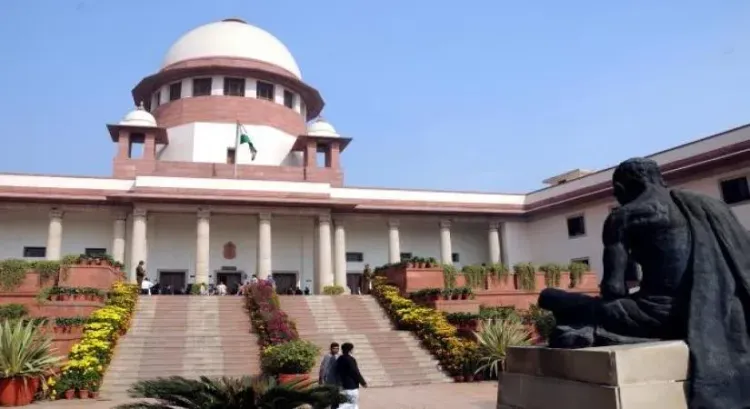
Synopsis
The Supreme Court has again shut the door on criminal action against Justice Yashwant Varma, calling the latest FIR plea 'publicity interest litigation.' With his resignation unaccepted, impeachment proceedings active, and the burnt-cash controversy unresolved, Justice Varma remains in a constitutional no-man's land — still technically a sitting judge, yet facing removal proceedings in Parliament.
Key Takeaways
The Supreme Court on 7 August dismissed a petition seeking an FIR against Justice Yashwant Varma , calling it a 'publicity interest litigation.' A Bench of Justices P.S.
Narasimha and Alok Aradhe noted that similar pleas had already been rejected earlier.
The controversy stems from the alleged discovery of burnt currency notes at Justice Varma's official residence on 14 March 2025 .
The Supreme Court in July upheld the in-house inquiry findings, ruling the process 'fair and just.' Impeachment notices backed by 145 Lok Sabha and 63 Rajya Sabha members have been moved; a parliamentary inquiry committee is constituted.
Justice Varma's resignation to President Droupadi Murmu is reportedly yet to be accepted; he remains listed as a sitting judge on the Allahabad High Court website.
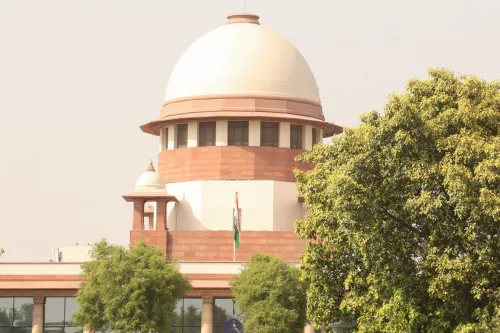
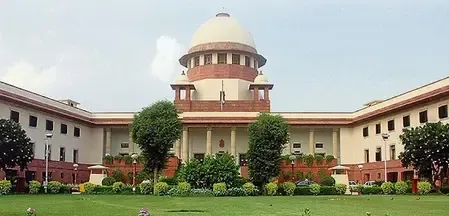
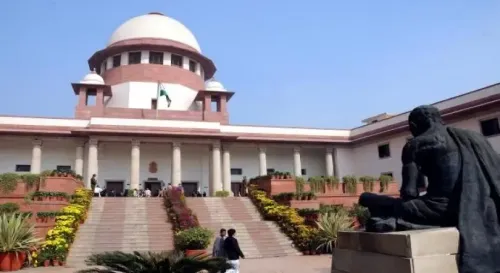
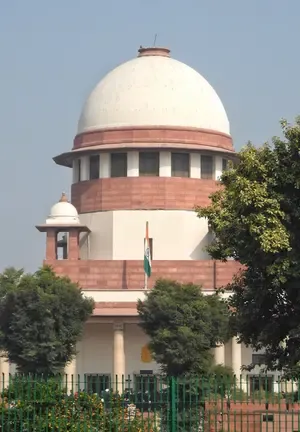
The Supreme Court on Friday, 7 August dismissed a writ petition seeking registration of an FIR against Allahabad High Court judge Justice Yashwant Varma over the alleged discovery of burnt cash at his official residence, branding the plea a 'publicity interest litigation.' The dismissal marks at least the second time the apex court has declined to entertain such a petition in the ongoing controversy.
What the Court Said
A Bench of Justices P.S. Narasimha and Alok Aradhe refused to entertain the petition filed by advocate Ghanshyam Dayalu Upadhyay, noting that similar pleas had already been rejected on earlier occasions. The matter had initially been listed before a Bench of Justices Dipankar Datta and Sheel Nagu, but was reassigned after it emerged that Justice Nagu had served on the three-judge in-house inquiry committee that examined allegations against Justice Varma.
What the Petition Argued
The petition sought directions for the registration of a criminal case against Justice Varma in connection with the alleged recovery of burnt currency notes from a storeroom attached to his official residence in New Delhi, during his tenure as a Delhi High Court judge. The petitioner contended that since Justice Varma tendered his resignation in April 2025, he no longer enjoyed immunity from criminal prosecution under the Judges (Protection) Act, 1985.
Background: The Cash Discovery and Inquiry
The controversy originated on 14 March 2025, when burnt currency notes were allegedly found in a storeroom of Justice Varma's official residence after firefighters arrived to extinguish a blaze. Following the incident, Justice Varma was repatriated to the Allahabad High Court, and the Supreme Court constituted a three-member in-house inquiry committee to examine the allegations.
The panel concluded that direct and electronic evidence indicated the storeroom was under the covert or active control of Justice Varma and his family, and held that the allegations amounted to proved misconduct serious enough to warrant removal under Article 124(4) of the Constitution. Then Chief Justice of India (CJI) Sanjiv Khanna subsequently forwarded a recommendation to the President and the Prime Minister for initiation of impeachment proceedings.
Court Upholds In-House Inquiry, Rejects Varma's Challenges
Justice Varma challenged both the in-house inquiry and the forwarding of its findings, arguing that the procedure was unconstitutional and that he had been denied a fair opportunity to defend himself. The Supreme Court dismissed his challenge in July, with a Bench of Justices Dipankar Datta and A.G. Masih holding that the in-house process was 'fair and just' and did not compromise judicial independence. The court also ruled that the CJI was not merely a 'post office' between the committee and the constitutional authorities, and could express his own views while forwarding the report.
Impeachment proceedings were subsequently initiated in Parliament, backed by notices from 145 Lok Sabha members and 63 Rajya Sabha members. A three-member parliamentary inquiry committee was constituted under the Judges (Inquiry) Act, 1968. Justice Varma challenged the constitution of this panel on procedural grounds, arguing that simultaneous notices in both Houses required the Lok Sabha Speaker and Rajya Sabha Chairman to act jointly — a plea the Supreme Court also rejected.
Resignation and Current Status
Amid the impeachment proceedings, Justice Varma submitted his resignation to President Droupadi Murmu with immediate effect, stating he was stepping down with 'deep anguish.' He also withdrew from the parliamentary inquiry, alleging procedural irregularities. Justice Varma has maintained throughout that no evidence links him to the burnt cash and that the inquiry proceeded on presumptions rather than proof.
His resignation is reportedly yet to be accepted by the President, and his name continues to appear among sitting judges on the Allahabad High Court's official website. With Parliament's inquiry committee still in place and the resignation pending acceptance, the constitutional and legal questions surrounding the case remain unresolved.
Point of View
Not writ petitions filed by individual advocates. Yet that boundary creates an accountability gap: the in-house inquiry found 'proved misconduct,' the CJI recommended impeachment, Parliament has moved — but no criminal investigation has been ordered. The unaccepted resignation adds another layer of ambiguity, keeping Justice Varma in a constitutional grey zone where neither removal nor prosecution has concluded. If the impeachment process stalls or the resignation is eventually accepted, the window for criminal accountability could narrow further — a question the court has so far left unanswered.
NationPress
22 Sept 2026
Frequently Asked Questions
Why did the Supreme Court dismiss the FIR plea against Justice Yashwant Varma?
The Supreme Court dismissed the petition, filed by advocate Ghanshyam Dayalu Upadhyay, terming it a 'publicity interest litigation' and noting that similar pleas had already been rejected on earlier occasions. The court declined to direct registration of a criminal case against Justice Varma.
What is the Justice Yashwant Varma cash row about?
On 14 March 2025, burnt currency notes were allegedly discovered in a storeroom attached to Justice Varma's official residence in New Delhi after firefighters arrived to douse a fire. A Supreme Court-constituted in-house inquiry committee subsequently found evidence indicating the storeroom was under the control of Justice Varma and his family, and recommended his removal.
What is the current status of impeachment proceedings against Justice Varma?
Impeachment notices backed by 145 Lok Sabha members and 63 Rajya Sabha members have been moved in Parliament. A three-member parliamentary inquiry committee has been constituted under the Judges (Inquiry) Act, 1968. Justice Varma has challenged the committee's constitution and withdrawn from the inquiry, alleging procedural irregularities.
Has Justice Varma's resignation been accepted?
Justice Varma tendered his resignation to President Droupadi Murmu with immediate effect, but his resignation is reportedly yet to be accepted. His name continues to appear among sitting judges on the Allahabad High Court's official website.
Does Justice Varma's resignation protect him from criminal prosecution?
The petitioner argued that Justice Varma's resignation in April 2025 removed his immunity from criminal prosecution under the Judges (Protection) Act, 1985. However, the Supreme Court declined to entertain the plea, and no court has yet ordered a criminal investigation into the cash discovery episode.