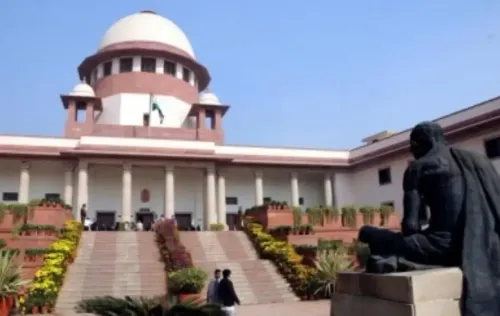
Supreme Court stays HC order for FIRs, SIT against Kullu officials in rave party case
Synopsis
The Supreme Court has shielded three senior Kullu officials from FIRs and an SIT — but not from transfers — in the Kasol rave party case. The Himachal Pradesh High Court had called their conduct a 'classical case of abject surrender', alleging connivance with large-scale drug-linked events. The Supreme Court's partial stay keeps the accountability question alive until 10 August.
Key Takeaways
The Supreme Court on 27 July stayed the Himachal Pradesh High Court 's order directing FIR registration and SIT formation against three Kullu district officials.
The transfer order for Kullu DC Anurag Chander Sharma , SP Madan Lal , and the concerned SDM remains in force and must be executed immediately.
The bench of CJI Surya Kant , Justice Bagchi , and Justice Mohana listed the matter for 10 August .
The HC had found officials allegedly facilitated rave parties at Kasol venues with capacity for thousands, where liquor and narcotics were suspected to have been consumed.
Entry fees at alleged rave parties reportedly ranged from ₹5,000 to ₹7 lakh ; the suo motu PIL dates to July 2025 .
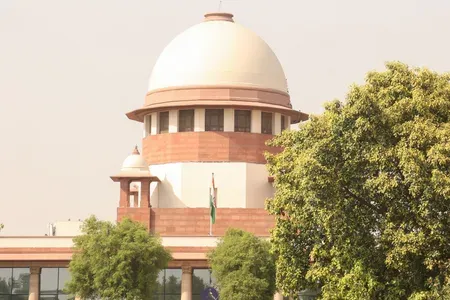
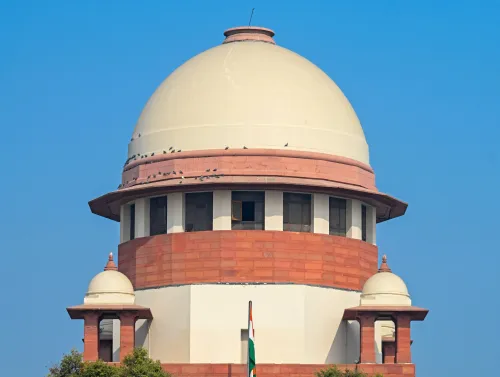
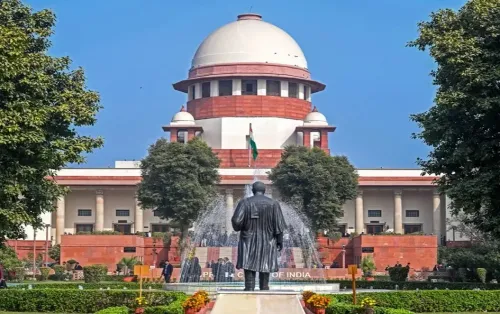
The Supreme Court on Monday, 27 July stayed the Himachal Pradesh High Court's directive ordering registration of FIRs and constitution of a Special Investigation Team (SIT) against three senior district officials allegedly linked to the facilitation of rave parties in Kasol, Kullu district. The court, however, left intact the High Court's order mandating the immediate transfer of the officers.
What the Supreme Court Ordered
A bench comprising Chief Justice of India (CJI) Surya Kant, Justice Joymalya Bagchi, and Justice V. Mohana issued notice on special leave petitions (SLPs) filed by the three affected officers and listed the matter for hearing on 10 August.
The bench stated: 'Meanwhile, the impugned order, to the extent it directs registration of FIR(s) against the petitioners and constitution of a Special Investigating Team for investigation, is stayed.'
On the transfer directive, the court clarified that 'with a view to ensure a fair inquiry into the matter, the state government shall comply with the directions to transfer the petitioners immediately, without any delay.'
The Officers Named and HC Directions
The SLPs arose from a 24 June order of the Himachal Pradesh High Court, which had directed the state to transfer Kullu Deputy Commissioner Anurag Chander Sharma, Superintendent of Police Kullu Madan Lal, and the concerned Sub-Divisional Magistrate (SDM). Beyond transfers, the High Court had also ordered registration of FIRs, constitution of an SIT to be headed by an officer not below the rank of Deputy Inspector General of Police, and initiation of departmental proceedings against the trio.
What the High Court Found
The High Court's directions emerged from a batch of matters, including a suo motu public interest litigation concerning alleged rave parties in Kasol, Jibhi, Manali, and other parts of Kullu — a case the court had been monitoring since July 2025.
A bench of Chief Justice G.S. Sandhawalia and Justice Bipin C. Negi described the situation as 'a classical case of abject surrender' by the district administration and police. An inspection by the Secretary of the District Legal Services Authority had found that venues near Kasol — identified as Green Forest-I and Green Forest-II — had facilities for thousands of participants, with liquor allegedly served without authorisation and narcotic substances suspected to have been consumed.
The High Court noted that despite an adverse police report warning that 'the possibility of consumption or trafficking of narcotic drugs and psychotropic substances... cannot be ruled out entirely', sound permissions for the event were granted. It further observed that 'had there not been an intervention by the Vacation Bench on 9 June 2026, the party would have merrily continued from 7th to 11th June, 2026, on the strength of the tacit permission of the SDM, Deputy Commissioner and the Superintendent of Police.'
Holding that the officials had 'rather facilitated the organisation of large-scale rave parties', the High Court said it was 'difficult for us to accept that this was done without the connivance of the local administration.'
Background: The Suo Motu PIL
The proceedings trace back to a suo motu PIL initiated by the Himachal Pradesh High Court in July 2025, after the Himalayan Environment Protection Society alleged that rave parties were being organised across Kullu district under the cover of tourism. Entry fees reportedly ranged from ₹5,000 to ₹7 lakh, and drugs were allegedly openly available at these events. The High Court had then sought details from the state on FIRs registered, identification of organisers, financial proceeds, and action taken to attach their properties.
What Happens Next
With the FIR and SIT directions stayed, the three officials face immediate transfer but are shielded from criminal proceedings for now. The Supreme Court will take up the matter again on 10 August, when the state government's response to the SLPs is expected. The broader question of administrative accountability in Kullu's rave party circuit remains before the courts.
Point of View
Not mere negligence. The real accountability test will come on 10 August: whether the apex court sustains the transfer directive while scrutinising the HC's unusually strong language about 'connivance'. Himachal Pradesh's rave party problem has been before the courts since July 2025, and the state's inability to act without judicial prodding points to a structural failure that a transfer order alone cannot fix. The gap between the HC's findings and the SC's interim caution is exactly where administrative impunity tends to survive.
NationPress
26 Oct 2026
Frequently Asked Questions
What did the Supreme Court order in the Kullu rave party case?
The Supreme Court stayed the Himachal Pradesh High Court's directions to register FIRs and constitute an SIT against three Kullu district officials on 27 July. However, it upheld the HC's order for their immediate transfer, listing the matter for the next hearing on 10 August.
Who are the officials named in the Himachal Pradesh High Court order?
The three officials are Kullu Deputy Commissioner Anurag Chander Sharma, Superintendent of Police Kullu Madan Lal, and the Sub-Divisional Magistrate concerned. The High Court had ordered their transfer, departmental proceedings, and FIR registration over alleged facilitation of rave parties.
What was the Himachal Pradesh High Court's finding in this case?
The HC described the officials' conduct as a 'classical case of abject surrender' and said it was 'difficult to accept' that rave parties at Kasol venues — with capacity for thousands and suspected drug use — were facilitated without the connivance of the local administration. The court had been monitoring the issue since July 2025.
What is the background of the Kasol rave party suo motu PIL?
The Himachal Pradesh High Court initiated a suo motu PIL in July 2025 after the Himalayan Environment Protection Society alleged that large-scale rave parties were being held across Kullu district under the guise of tourism, with entry fees from ₹5,000 to ₹7 lakh and drugs reportedly openly available.
What happens next in the Supreme Court?
The Supreme Court will hear the matter again on 10 August. Until then, the three officials must be transferred immediately, but they are protected from FIR registration and SIT investigation by the stay order.