Mahua laddoos to cookies: Sidhi women SHGs earn ₹13 lakh in 6 months
Synopsis
Tribal women in Sidhi, Madhya Pradesh have turned Mahua — a flower historically used to brew liquor — into premium laddoos and cookies selling at ₹520 per kg, earning ₹13 lakh in six months. With CM Mohan Yadav publicly praising the initiative and government departments placing repeat orders, this forest-to-market story is quietly building a replicable model for rural women's economic independence.
Key Takeaways
Women SHGs in Sidhi, Madhya Pradesh earned approximately ₹13 lakh in six months from Mahua-based food products.
They sold 24 quintals of Mahua laddoos and five quintals of Mahua biscuits , as cited by CM Mohan Yadav at the Balram Krishi Mahotsav.
The Mahima SHG of Gajri village procures Mahua at ₹55 per kg and sells finished laddoos at nearly ₹520 per kg .
Each group member now earns ₹10,000–₹15,000 per month ; six members trained at B&B Bakery and Baking Academy, Bhopal .
The initiative is backed by the Madhya Pradesh State Rural Livelihoods Mission , with orders from government departments and the Harit Bharat Mission.
Women-led Self-Help Groups (SHGs) in Sidhi district of Madhya Pradesh have transformed Mahua — a forest flower long associated with tribal livelihoods — into premium food products including laddoos, biscuits and cookies, earning approximately ₹13 lakh in just six months and rewriting the economic story of rural women in the region.
Recognition at State Level
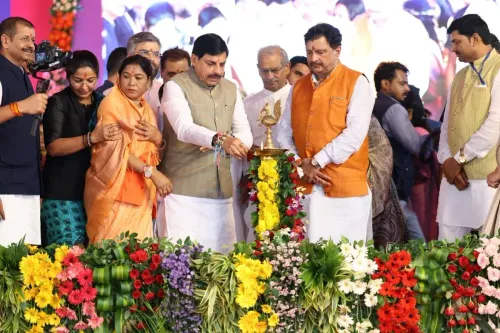
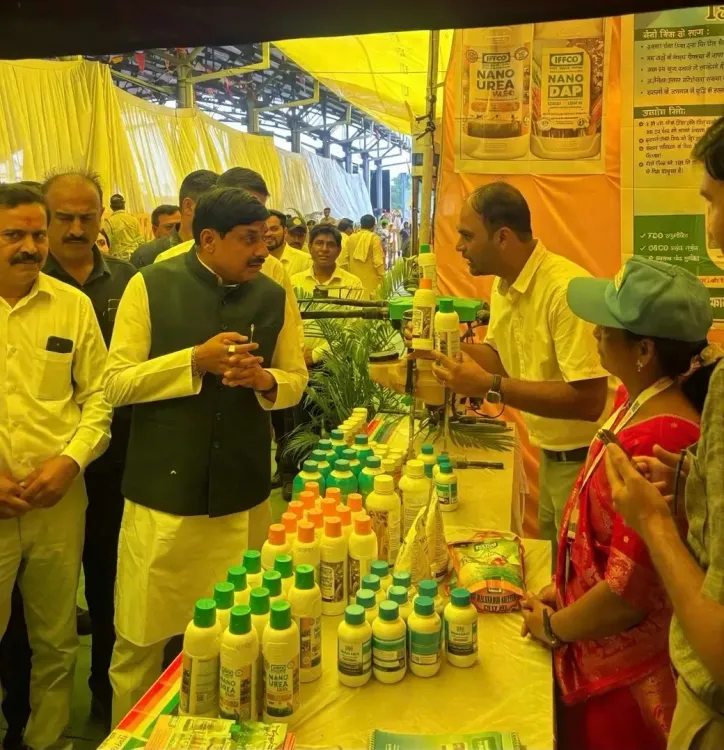
The enterprise recently drew praise from Chief Minister Mohan Yadav, who acknowledged the SHGs' achievements while virtually addressing the Balram Krishi Mahotsav in Sidhi. He highlighted that women entrepreneurs had sold 24 quintals of Mahua laddoos and five quintals of Mahua biscuits, generating revenues of around ₹13 lakh in six months. Yadav congratulated them for converting a traditional forest product into a sustainable livelihood.
How the Mahima SHG Cracked the Model
Among the standout examples is the Mahima Self-Help Group of Gajri village, located about 36 kilometres from Sidhi's district headquarters. Led by Manju Singh, the group of 15 women began producing Mahua-based food items barely a year ago. 'The laddu is prepared using ingredients such as cashew, groundnut, jaggery, and mahua flowers — the major ingredient,' Singh said. The group procures Mahua through government channels at ₹55 per kilogram and converts it into dry-fruit-enriched laddoos sold at nearly ₹520 per kilogram, a margin that has transformed household incomes. Each member now earns between ₹10,000 and ₹15,000 per month.
Training, Orders and Demand Drivers
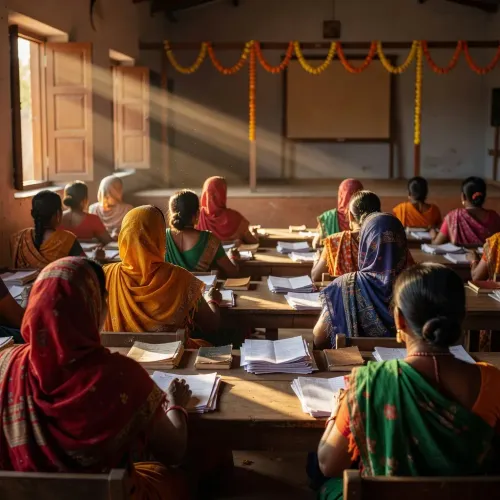
The women attribute much of their success to specialised training received in Chhindwara, Bhopal and Jagdalpur. Six members underwent professional training at B&B Bakery and Baking Academy in Bhopal, improving product quality, packaging and manufacturing techniques, according to a government official. Regular orders now flow in from government departments for official events, including Independence Day and Republic Day celebrations. Additional demand is being generated through the 'Harit Bharat Mission', while Mahua biscuits have reportedly become popular among children.
A Wider Movement Takes Root
The momentum extends beyond Gajri village. The Gauri Self-Help Group in Barambaba village, led by Shivkali Sahu, has already sold nearly three quintals of Mahua laddoos and is now expanding into biscuits and cookies — a deliberate pivot away from the flower's traditional use in brewing local liquor. Both groups operate under the umbrella of the Madhya Pradesh State Rural Livelihoods Mission, which provides institutional support, skilling and market linkages.
Broader Impact on Rural Economy
This comes amid a wider national push to integrate forest produce into formal value chains and reduce tribal dependence on subsistence collection. Notably, Mahua flowers are found across central India and have long been harvested by tribal communities, yet their food-grade commercial potential remains largely untapped at scale. The Sidhi model — combining government procurement channels, professional training and institutional buyers — offers a replicable template for other forest-rich districts. If the mission scales these clusters, rural women across Madhya Pradesh's tribal belt could access structured incomes without migrating to cities.
Point of View
Which is the kind of number that formal agri-processing schemes have promised for years without delivering at scale. The real test is whether the Madhya Pradesh State Rural Livelihoods Mission can replicate this beyond a handful of showcase groups, because the state has vast Mahua-growing tribal belts where women still sell the raw flower at distress prices. Without structured cold storage, branding and e-commerce access, the model risks remaining a pilot that earns ministerial praise but never reaches critical mass.
NationPress
21 Nov 2026
Frequently Asked Questions
What are Mahua laddoos and why are they significant for tribal women in MP?
Mahua laddoos are sweets made from Mahua flowers — a forest produce traditionally collected by tribal communities — combined with jaggery, groundnut, cashew and almonds. For rural women in Sidhi, Madhya Pradesh, they represent a shift from subsistence harvesting to a value-added enterprise generating monthly incomes of ₹10,000–₹15,000 per member.
How much have the women SHGs earned from Mahua products so far?
According to Chief Minister Mohan Yadav, women entrepreneurs in Sidhi earned around ₹13 lakh over six months through the sale of 24 quintals of Mahua laddoos and five quintals of Mahua biscuits. The figures were cited at the Balram Krishi Mahotsav event.
Which Self-Help Groups are leading this initiative in Sidhi?
The Mahima Self-Help Group of Gajri village, led by Manju Singh, and the Gauri Self-Help Group of Barambaba village, led by Shivkali Sahu, are the leading examples. Both groups are supported by the Madhya Pradesh State Rural Livelihoods Mission.
Where do the women sell their Mahua products?
Government departments are regular buyers, placing orders for events such as Independence Day and Republic Day celebrations. Additional demand is generated through the Harit Bharat Mission, and Mahua biscuits have reportedly found a steady market among children.
What training did the women receive to improve their products?
Members received specialised training in Chhindwara, Bhopal and Jagdalpur. Six members also completed professional courses at B&B Bakery and Baking Academy in Bhopal, covering product quality, packaging and manufacturing techniques.