Sikkim tunnel collapse: All 25 bodies recovered after four-day rescue operation
Synopsis
A four-day rescue operation at the collapsed NHPC Teesta Stage VI tunnel in Sikkim's Namchi district ended on 23 July with all 25 bodies recovered. The victims came from 10 states, reflecting the migrant labour backbone of India's infrastructure push in the Northeast — and raising urgent questions about construction safety at hydropower sites.
Key Takeaways
The four-day rescue operation at the NHPC Teesta Stage VI tunnel in Namchi district, Sikkim concluded on 23 July with all 25 bodies recovered.
Three bodies were retrieved in the final phase on Thursday , completing the count.
Victims were employed by NHPC Limited , ARX , and Patel Engineering Limited , and hailed from 10 states .
West Bengal suffered the highest toll with 11 victims; Jharkhand lost four .
The Sikkim government has formed a high-level committee to probe the cause of the collapse and recommend safety reforms.
Bodies were sent to four hospitals for post-mortem; identified remains have been handed over to families.
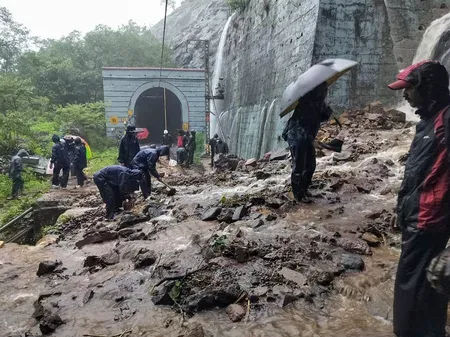
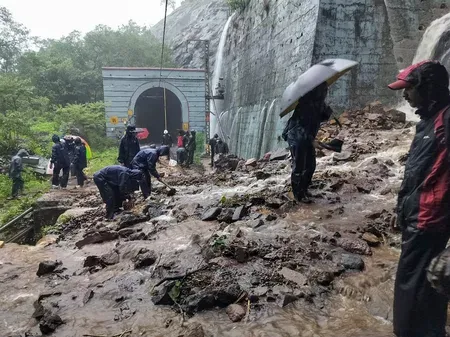
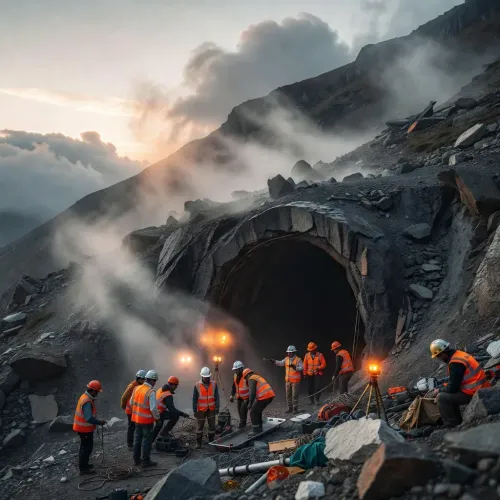
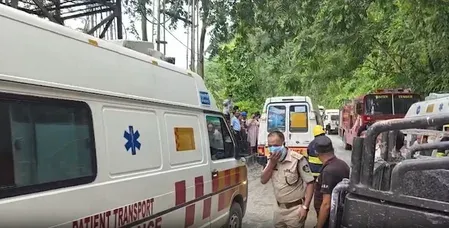
A four-day search and recovery operation at the collapsed under-construction tunnel of the NHPC Teesta Stage VI Hydropower Project in Sikkim's Namchi district concluded on Thursday, 23 July, after rescue teams retrieved all 25 bodies of workers and officials who had gone missing following the tragedy, according to officials. The operation's conclusion brings a grim end to one of the most challenging tunnel rescue missions undertaken in the state in recent memory.
Final Phase of Recovery
Three additional bodies were retrieved during the last phase of the operation on Thursday, bringing the total recovered to 25. Following the recoveries, rescue personnel conducted a thorough inspection of the tunnel and cross-verified records of all missing persons. Officials confirmed that no worker remained trapped inside, formally closing the intensive search and recovery mission.
Who the Victims Were
The deceased included employees and workers engaged by NHPC Limited, ARX, and Patel Engineering Limited. They hailed from ten states across the country. Of the 25 victims, 11 were from West Bengal, four from Jharkhand, two each from Jammu and Kashmir and Uttarakhand, and one each from Kerala, Uttar Pradesh, Bihar, Sikkim, Punjab, and Assam. The multi-state composition of the workforce underscores the scale of migrant labour dependency in large infrastructure projects across India's northeastern region.
Post-Mortem and Handover Procedures
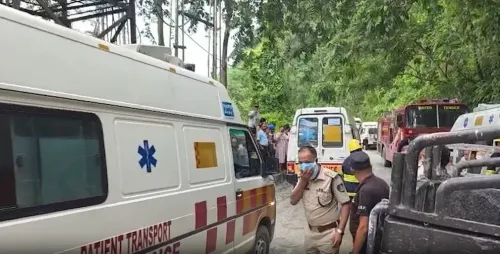
All recovered bodies were shifted to Singtam District Hospital, STNM Hospital at Sochakgang in Gangtok, Namchi District Hospital, and the Central Referral Hospital (CRH), Manipal, for post-mortem examinations and medico-legal formalities. Bodies that have been positively identified have been handed over to the families of the deceased.
Agencies Involved in the Operation
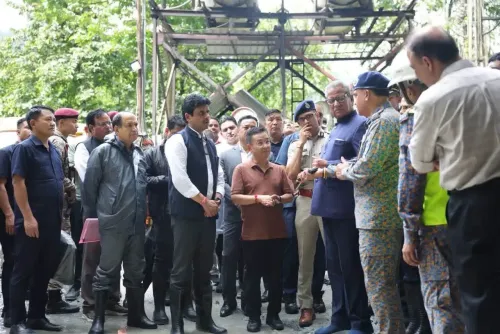
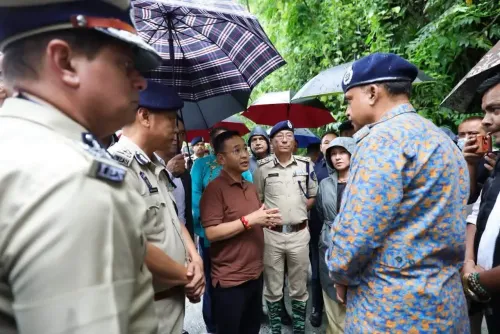
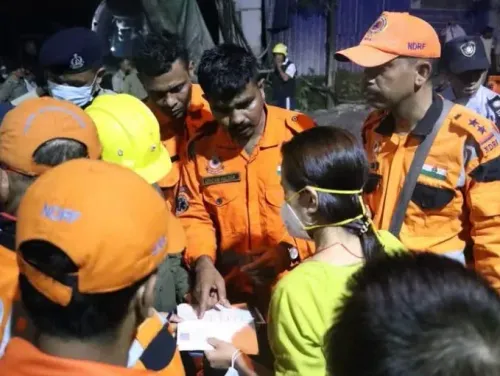
The rescue mission was conducted under the overall supervision of the Namchi district administration, with support from the National Disaster Response Force (NDRF), the State Disaster Response Force (SDRF), the Mines Rescue Team of Eastern Coalfields Limited, Asansol, NHPC officials, Sikkim Police, Fire and Emergency Services, the Health and Family Welfare Department, and several other line departments. The Sikkim State Disaster Management Authority (SSDMA) monitored the operation throughout. The district administration commended all agencies for their coordinated efforts under difficult conditions.
Investigation and What Comes Next
The Sikkim government has constituted a high-level committee to investigate the circumstances that led to the tunnel collapse. The panel has been tasked with identifying the cause of the accident and recommending safety measures to prevent similar incidents during major infrastructure projects in the future. This comes amid growing scrutiny of construction safety standards at hydropower and infrastructure sites across India's ecologically sensitive northeastern states, several of which have witnessed tunnel and dam-related incidents in recent years.
Point of View
But the harder questions are just beginning. The Teesta Stage VI project sits in one of India's most seismically active and geologically fragile corridors — a zone that has repeatedly demonstrated the limits of conventional construction risk assessments. That the workforce spanned 10 states points to systemic gaps in migrant worker safety protocols at remote infrastructure sites, where oversight is thin and accountability diffuse. The high-level inquiry committee is a necessary step, but Sikkim has seen similar panels formed after past disasters with limited public follow-through. Whether this investigation produces enforceable safety standards — rather than a report that quietly archives — will be the real measure of institutional response.
NationPress
21 Oct 2026
Frequently Asked Questions
What happened at the NHPC Teesta Stage VI tunnel in Sikkim?
An under-construction tunnel at the NHPC Teesta Stage VI Hydropower Project in Sikkim's Namchi district collapsed, trapping 25 workers and officials. A four-day search and recovery operation concluded on 23 July with all 25 bodies retrieved.
How many people died in the Sikkim tunnel collapse?
A total of 25 people died in the tunnel collapse. Three bodies were recovered in the final phase of the operation on Thursday, 23 July, completing the recovery of all missing persons.
Which states did the victims of the Sikkim tunnel collapse come from?
The 25 victims hailed from 10 states: West Bengal (11), Jharkhand (4), Jammu and Kashmir (2), Uttarakhand (2), and one each from Kerala, Uttar Pradesh, Bihar, Sikkim, Punjab, and Assam.
Which agencies conducted the Sikkim tunnel rescue operation?
The operation was led by the Namchi district administration and supported by the NDRF, SDRF, Mines Rescue Team of Eastern Coalfields Limited, NHPC officials, Sikkim Police, Fire and Emergency Services, and the Health and Family Welfare Department, with the SSDMA monitoring throughout.
What action has the Sikkim government taken after the tunnel collapse?
The Sikkim government has constituted a high-level committee to investigate the cause of the tunnel collapse and recommend safety measures to prevent similar accidents at major infrastructure projects in the future.