Sindhi leader Shafi Burfat urges UN action over enforced disappearances in Pakistan
Synopsis
From Berlin, JSMM Chairman Shafi Burfat has issued one of the most detailed public appeals yet over the alleged systematic disappearance of Sindhi political activists by Pakistan's ISI — naming individuals, citing torture cells, and calling on the UN to intervene. The statement puts a spotlight on a pattern of repression that international human rights bodies have long flagged but rarely acted upon decisively.
Key Takeaways
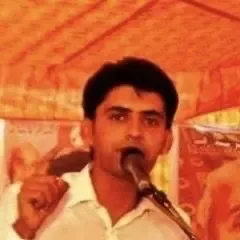
Shafi Burfat , Chairman of JSMM , issued an urgent appeal from Berlin on 29 April 2025 urging global intervention over human rights abuses in Pakistan .
JSMM leaders Roheel Laghari and Saddam Shar were allegedly forcibly disappeared by state agencies after their arrests.
Senior leaders Ejaz Gaho , Sohail Bhatti , Pathan Khan Zehrani , Survech Sargani , and Survech Nohani are reportedly held at undisclosed locations.
Burfat alleged that activists are detained in secret torture cells and that mutilated bodies have been dumped on roads — calling these acts violations of the UN Charter and international law.
He urged the United Nations and international human rights bodies to take immediate notice and ensure the safety of named activists.
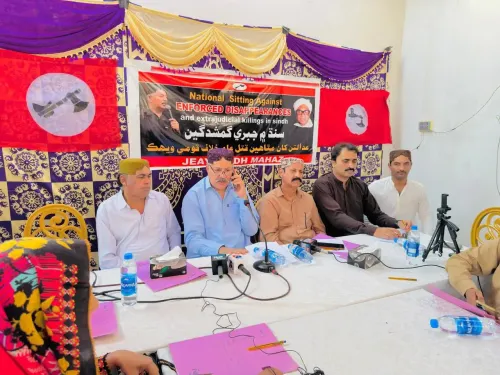
Shafi Burfat, Chairman of the Jeay Sindh Muttahida Mahaz (JSMM), on Wednesday, 29 April issued an urgent appeal from Berlin to the global community, drawing attention to what he described as a systematic campaign of enforced disappearances, illegal arrests, torture, and the dumping of mutilated bodies of Sindhi political activists and leaders by Pakistani authorities. Burfat stated that these actions "constitute serious violations of internationally recognised human rights principles."
Key Disappearances Cited
Burfat named several individuals allegedly subjected to enforced disappearances. According to a post on X, JSMM central body leader Roheel Laghari was arrested by state agencies during political and organisational activities and has since been forcibly disappeared. Earlier, JSMM Central Committee member Saddam Shar was reportedly abducted and disappeared in a similar manner.
In addition, senior JSMM leaders Ejaz Gaho, Sohail Bhatti, Pathan Khan Zehrani, Survech Sargani, and Survech Nohani, along with numerous other Sindhi nationalist political workers, were allegedly arrested at different times and transferred to undisclosed locations. Burfat said there are "serious concerns regarding their safety and well-being."
Allegations Against Pakistani Authorities
Burfat alleged that the Pakistani state has imposed restrictions on the political activities of the Sindhi national movement, curtailing freedom of expression and the democratic rights of secular nationalist organisations. He specifically alleged that activists are being detained in secret torture cells and subjected to inhuman and degrading treatment.
"The arrest of political activists during peaceful political activities, their detention in secret torture cells, the use of inhuman and degrading treatment against them, and, in several cases, the dumping of mutilated dead bodies on roads constitute grave violations of international human rights standards, the Charter of the United Nations, and international law," Burfat stated. He alleged that the disappearances were carried out by Pakistan's military intelligence agency, the ISI, following the arrests.
Appeal to the United Nations and International Bodies
Burfat urged the United Nations, international human rights bodies, and the broader international community to take immediate notice of the enforced disappearances and to ensure the safety and protection of the named activists. He called for urgent intervention on behalf of Roheel Laghari, Saddam Shar, Ejaz Gaho, Sohail Bhatti, Pathan Khan Zehrani, Survech Sargani, Survech Nohani, and others.
He further appealed to the international community to take note of what he described as state-imposed restrictions on the political existence, human rights, and democratic freedoms of "historical nations" within Pakistan, including Sindh.
Broader Context and What Comes Next
This comes amid longstanding international concerns over enforced disappearances in Pakistan, particularly affecting ethnic and nationalist political movements in Balochistan and Sindh. Human rights organisations including Amnesty International and Human Rights Watch have previously documented similar patterns of alleged state-sponsored disappearances in the country.
Asserting that the ongoing arrests form part of a wider repression, Burfat said, "The existence and survival of these nations are under serious threat. Nations are therefore compelled to continue their struggle for freedom in accordance with international law." Whether the UN or any international body formally takes up the appeal remains to be seen, but the statement is likely to intensify scrutiny of Pakistan's human rights record on global platforms.
Point of View
Agencies, and methods — which distinguishes it from generic political rhetoric. Yet the structural problem remains: international bodies have repeatedly documented enforced disappearances in Pakistan's Sindh and Balochistan without producing meaningful accountability. The appeal from Berlin, rather than from within Pakistan, itself underscores the degree to which Sindhi nationalist voices feel compelled to operate outside the country's borders. Whether this statement catalyses a formal UN inquiry or dissolves into the archive of unheeded appeals will depend on whether allied governments choose to raise it in multilateral forums.
NationPress
16 Sept 2026
Frequently Asked Questions
Who is Shafi Burfat and what is the JSMM?
Shafi Burfat is the Chairman of the Jeay Sindh Muttahida Mahaz (JSMM), a Sindhi nationalist political organisation that advocates for the rights and self-determination of the Sindhi people in Pakistan. The organisation has been designated as a banned group by Pakistani authorities.
Which Sindhi activists have reportedly been forcibly disappeared in Pakistan?
According to Burfat's statement, JSMM central body leader Roheel Laghari and Central Committee member Saddam Shar have been forcibly disappeared. Senior leaders Ejaz Gaho, Sohail Bhatti, Pathan Khan Zehrani, Survech Sargani, and Survech Nohani are also reportedly held at undisclosed locations.
What specific human rights violations has Burfat alleged against Pakistan?
Burfat has alleged enforced disappearances, illegal arrests, detention in secret torture cells, inhuman and degrading treatment, and the dumping of mutilated bodies of political activists on roads. He has attributed these actions to Pakistan's military intelligence agency, the ISI.
Why is Burfat appealing to the United Nations?
Burfat argues that the alleged actions by Pakistani authorities violate internationally recognised human rights principles, the UN Charter, and international law. He is urging the UN and international human rights bodies to take immediate notice and intervene to ensure the safety of the named activists.
What is the broader context of human rights concerns in Sindh and Pakistan?
Enforced disappearances affecting ethnic and nationalist movements in Pakistan, particularly in Sindh and Balochistan, have been documented by organisations including Amnesty International and Human Rights Watch over many years. Pakistani authorities have generally denied systematic abuses, but international pressure on the issue has grown.