What Led to the Soldier's Death in the Kupwara Explosion?
Synopsis
A soldier's life was cut short in a tragic explosion in Kupwara, Jammu and Kashmir. This incident underscores the persistent dangers faced by armed forces in conflict zones, particularly near the Line of Control. As we await further details, this event highlights the ongoing challenges in securing the region amidst natural and man-made threats.
Key Takeaways
Soldier's death highlights the dangers faced in conflict zones.
Incident occurred during road construction near the LoC.
Havaldar Zubair Ahmad was a member of the J&K Light Infantry.
Weather conditions can complicate security efforts.
Continued vigilance is essential for national security .
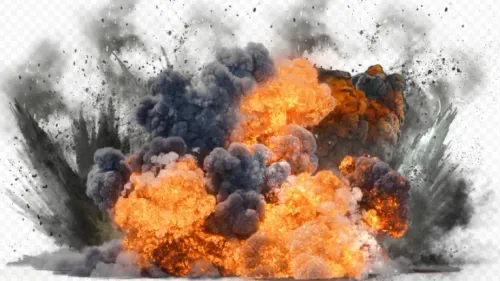
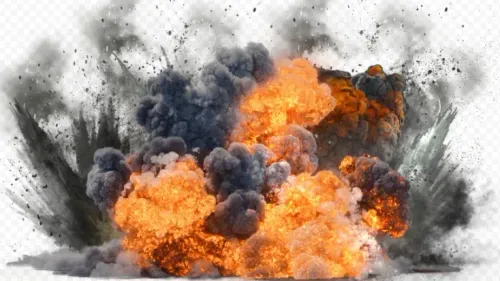
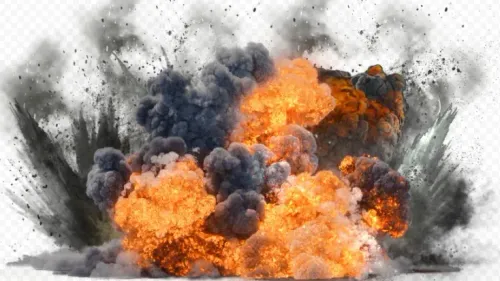
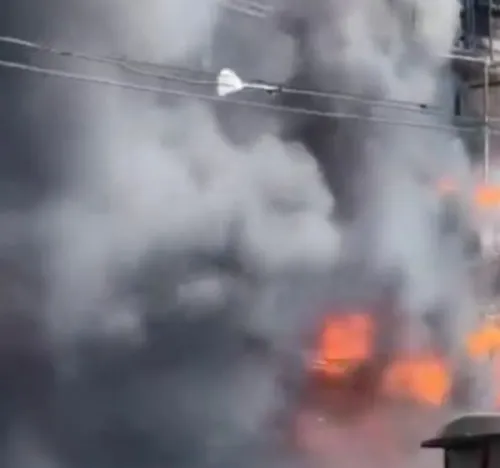
Srinagar, Dec 16 (NationPress) A soldier tragically lost his life in an explosion in Jammu and Kashmir's Kupwara district, as reported by officials on Tuesday.
The incident took place on Monday in Putaha Khan Gali, located in the Trehgam region of the district near the Line of Control (LoC).
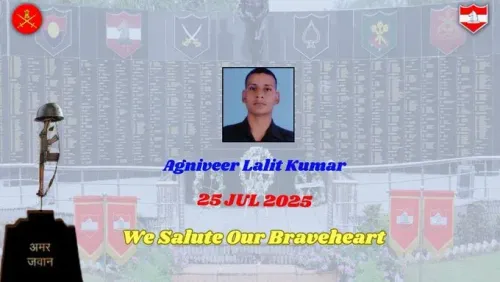
The deceased has been identified as Havaldar Zubair Ahmad from the J&K Light Infantry (JAKLI).
“The injured serviceman was immediately transported to a military hospital in the Drugmulla area of Baramulla district, but medical personnel declared him dead upon arrival,” officials reported.
Further details are still pending.
According to officials, the explosion occurred during road construction in the area, and the soldier suffered severe injuries as a result of the blast.
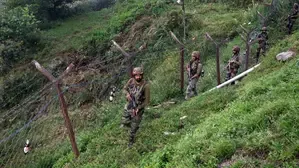
Soldiers often encounter preplanted landmines while patrolling near the LoC. Rain, snow, and other weather conditions can displace these mines from their original locations, leading to incidents involving what are technically known as ‘drift mines’.
The region close to the border/LoC is frequently mined as part of a comprehensive anti-infiltration strategy to thwart incursions.
Jammu and Kashmir features a 740 km long LoC stretching through Baramulla, Kupwara, and Bandipora districts, as well as portions of Poonch, Rajouri, and Jammu district.
The Army oversees the LoC in J&K, while the Border Security Force (BSF) secures the 240-km-long international border in Jammu, Samba, and Kathua districts.
Both the Army and BSF are tasked with preventing infiltration, exfiltration, cross-border smuggling, and drone activities originating from beyond the border.
The J&K Police and security forces conduct anti-terror operations in the hinterlands against terrorists, their overground workers (OGWs), sympathizers, and drug traffickers.
Securing the LoC is a monumental task, particularly during winter when heavy snowfall and avalanches can jeopardize Army posts, resulting in casualties. Temperatures often drop below zero, making logistics and supply deliveries a significant challenge during these months.
Point of View
It is important to reflect on the challenges faced by our armed forces in Jammu and Kashmir. The loss of life in such incidents serves as a reminder of the ongoing risks military personnel endure. The nation must recognize the sacrifices made for our safety and stability.
NationPress
30 Sept 2026
Frequently Asked Questions
What happened in Kupwara?
A soldier was killed in an explosion during road construction in Kupwara, Jammu and Kashmir.
Who was the soldier?
The soldier was identified as Havaldar Zubair Ahmad of the J&K Light Infantry.
What is the Line of Control?
The Line of Control (LoC) is the de facto border between India and Pakistan in the region of Jammu and Kashmir.
What are drift mines?
Drift mines are landmines that can be displaced from their original location due to weather conditions, posing a risk to soldiers.
How does the Army secure the LoC?
The Army employs various strategies, including mining areas, to prevent infiltration and ensure the safety of the region.